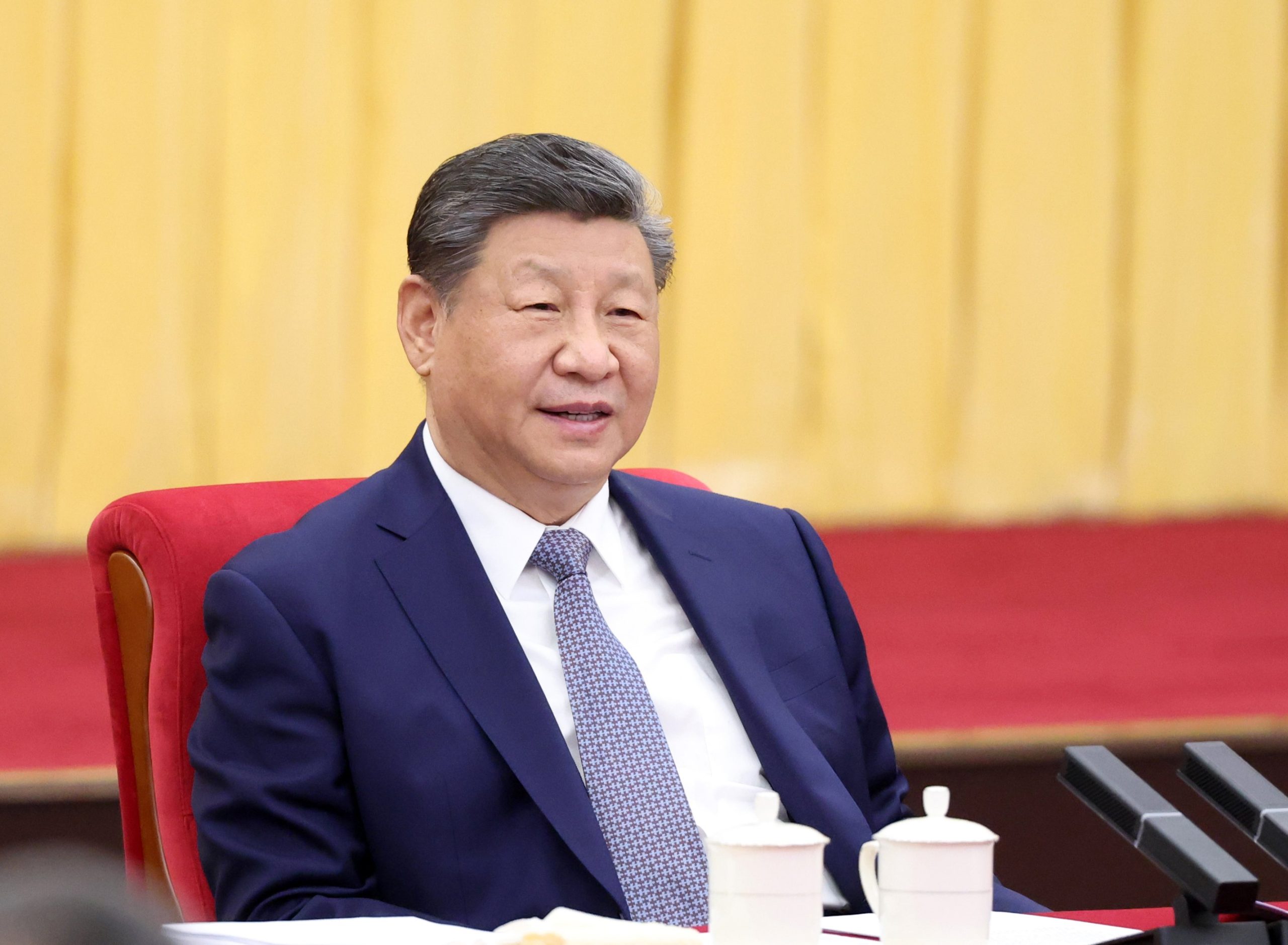
The initiative to invite 50,000 American students to China, originally slated for a five-year rollout, reached its target two and a half years early. This rapid uptake illustrates a tangible appetite for direct engagement that transcends political headlines. Programs ranging from calligraphy workshops to inter-school sports matches allow participants to replace abstract geopolitical concepts with firsthand cultural experiences.
A case study in this approach remains Tacoma’s Lincoln High School, where a 2015 encouragement from President Xi led to a 2016 student delegation trip. The lasting impact of such exchanges demonstrates that personal familiarity functions as a critical buffer against hardening public perceptions. By interacting directly, students move beyond the stereotypes often amplified by social media, fostering a form of human-centric diplomacy that official statecraft cannot replicate.
As the two nations navigate shifting economic interests and inherent diplomatic frictions, the role of these young envoys grows in importance. When students view their counterparts as peers rather than geopolitical rivals, they create a social foundation for long-term stability. The future of this bilateral relationship is increasingly defined by whether these individuals continue to prioritize shared experiences over the abstractions of international policy.


Comments (0)
No comments yet. Be the first!