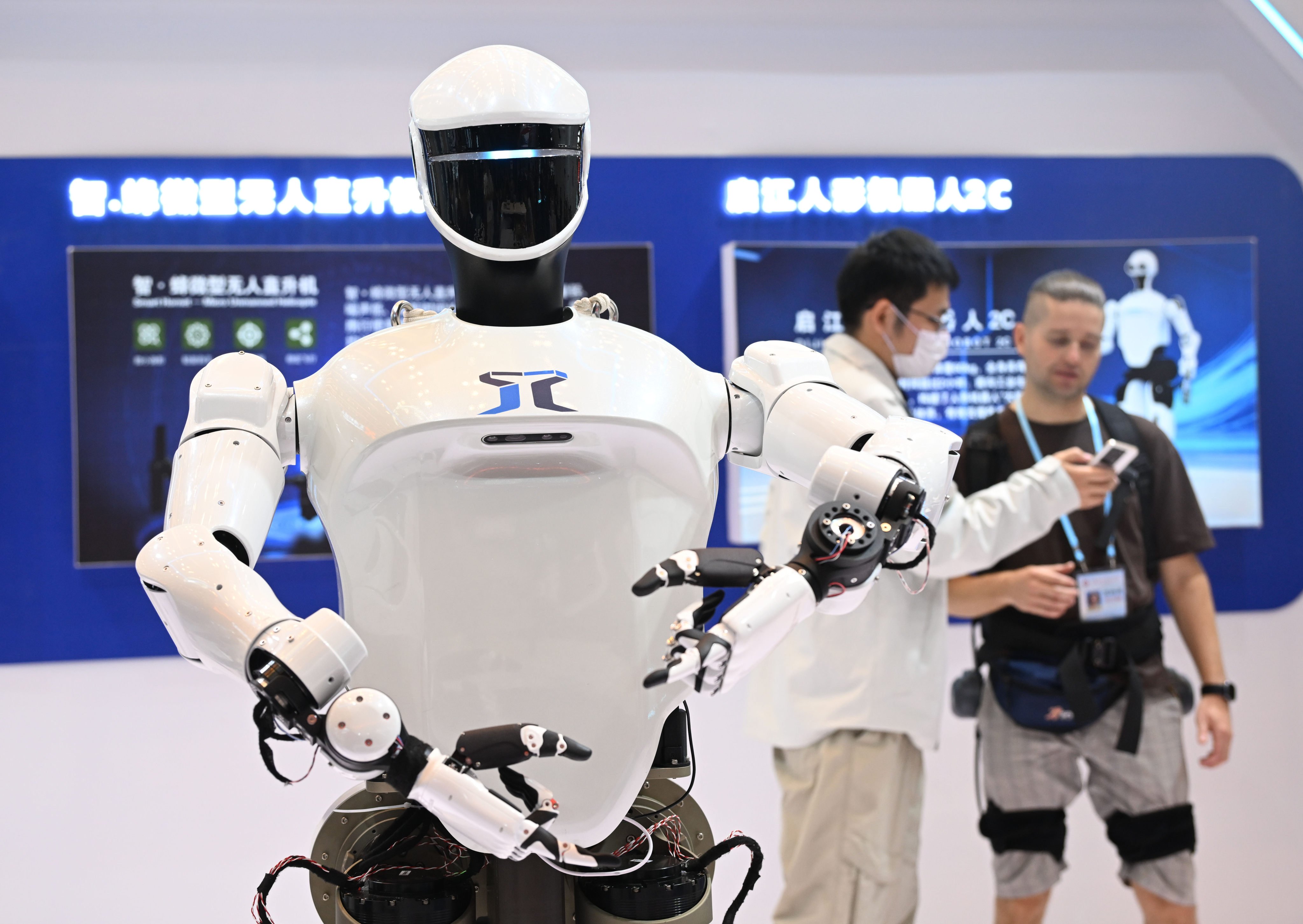
In the domestic sphere, new companion robots are moving beyond single-function tasks to provide emotional support and health management. These units feature emotion recognition and integrated platforms that handle medication reminders, fall detection, and video consultations. By centralizing these services, the technology aims to reduce the burden on caregivers while providing older users with a more intuitive interface.
Commercial environments are seeing similar gains in efficiency through autonomous coordination. Food-service platforms now utilize collaborative arms to perform complex tasks safely alongside human staff. Simultaneously, public-space maintenance robots have achieved full autonomy, capable of waste recognition, docking, and replenishment without human intervention for 24-hour operation.
Industrial safety remains a primary testing ground for these advancements, particularly in high-risk zones. Explosion-proof reconnaissance robots are now deployed to navigate smoke, toxic gases, and fire. By pairing AI-based detection with high-flow suppression cannons, these machines allow rescue teams to mitigate disasters while remaining outside the immediate danger zone. These developments reflect a broader pivot toward systems that prioritize tangible operational value over experimental design.



Comments (0)
No comments yet. Be the first!