Iraq faces a logistical bottleneck as most of its production exits through southern terminals deep within the Persian Gulf. With the country lacking a substantial tanker fleet and freight costs surging due to regional instability, these price cuts act as a financial offset to lure international shipping capacity. Vitol and ADNOC—which committed to 40 million barrels for September—possess the necessary logistics to navigate the Strait of Hormuz, where tanker traffic remains significantly depressed.
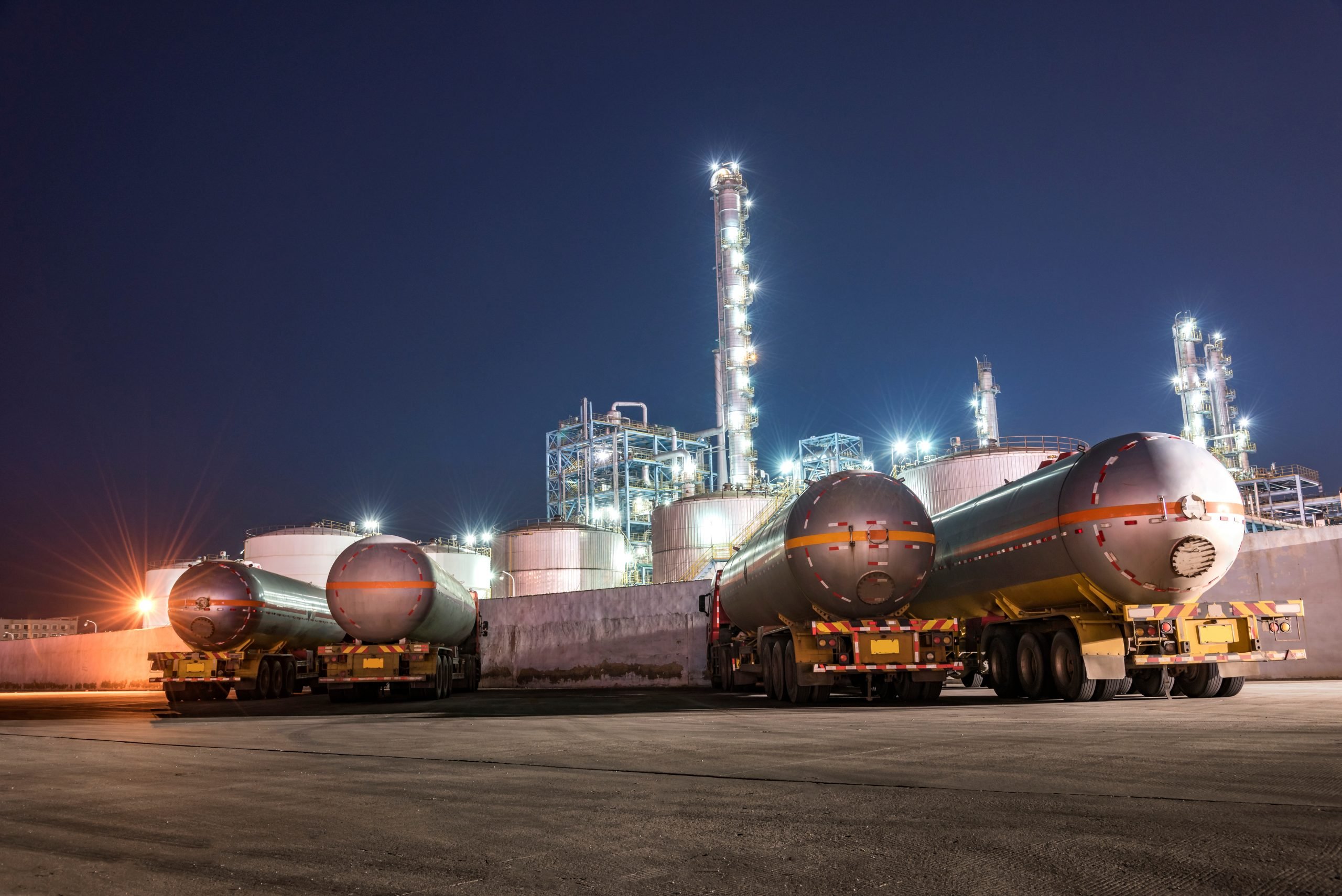
While southern exports have climbed to 2.6 million barrels per day in September, Baghdad is testing alternative infrastructure to reduce reliance on the Gulf. A recent trial move of crude by tanker trucks toward Turkey’s Ceyhan port highlighted the difficulty of these efforts, shifting only 38,000 barrels over two days. For now, the country remains dependent on trading partners with the infrastructure to absorb the risk and cost of moving oil through the volatile maritime corridor.



Comments (0)
No comments yet. Be the first!