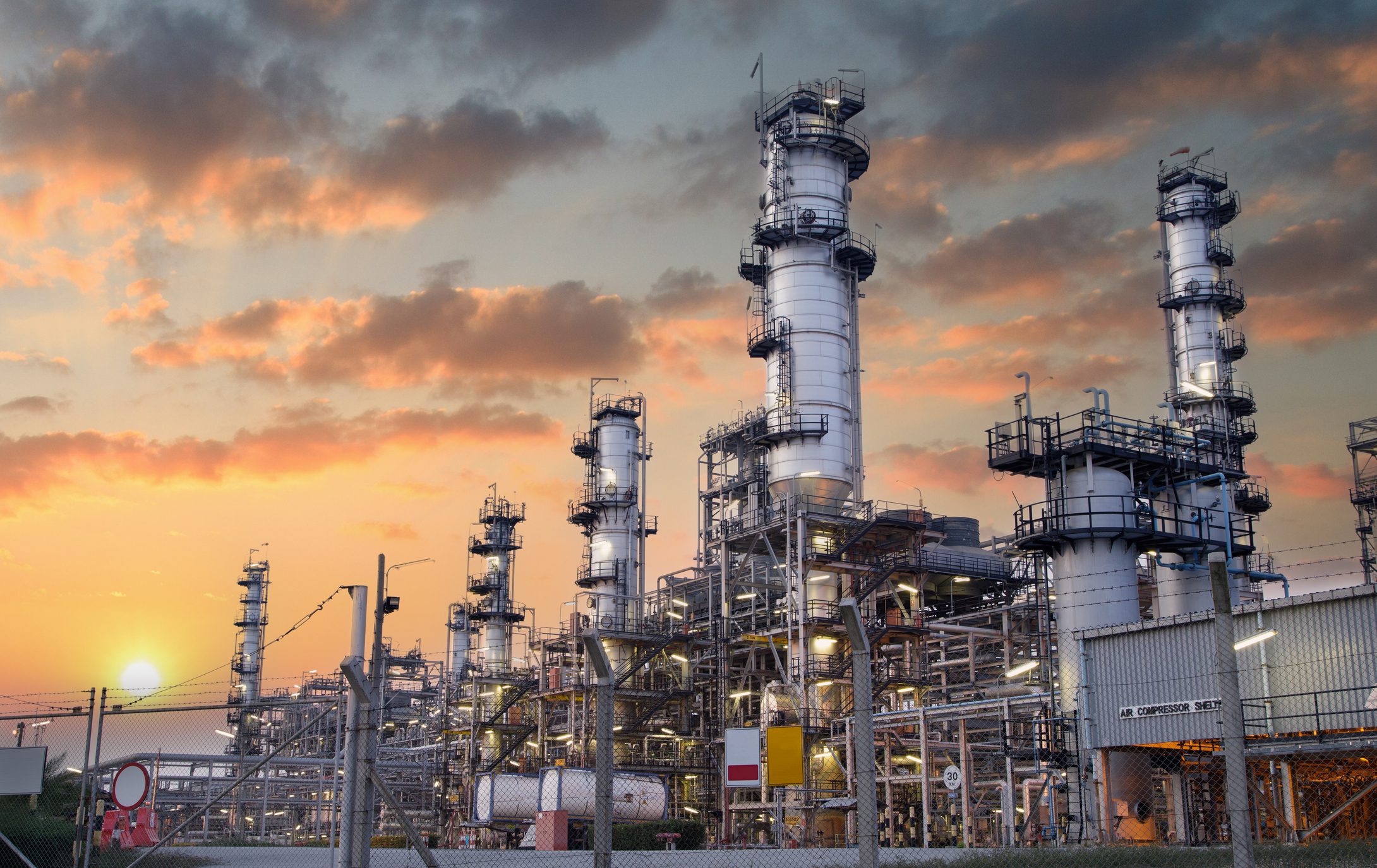
The logic behind a potential export ban rests on the assumption that keeping more fuel within U.S. borders will lower costs for farmers and truckers. However, energy analysts and industry leaders argue the plan ignores how modern refineries function. Because diesel and gasoline are produced in the same refining process, forcing a surplus of diesel onto the domestic market without an export outlet would lead to storage saturation. Refiners would be forced to dial back total throughput, ultimately throttling the supply of gasoline and jet fuel alongside diesel.
Global supply remains fragile, with roughly 7 to 8 million barrels per day of petroleum products currently off the market. Major outages in the Middle East and Russia, coupled with damage to infrastructure that requires long-term repairs, have created a structural deficit. According to the International Energy Agency, global refinery throughput peaked at 81.4 million barrels per day in August, yet remained 4.2 million barrels below year-ago levels.
Industry groups, including the American Petroleum Institute and the U.S. Chamber of Commerce, have formally urged the administration to reject restrictions. They contend that an export ban would not only invite retaliatory trade measures but also strip the U.S. of its status as a reliable energy partner. By vacating the global market, American producers would cede influence to foreign competitors, effectively weakening the nation's geopolitical standing while simultaneously triggering a self-inflicted price hike at home.



Comments (0)
No comments yet. Be the first!