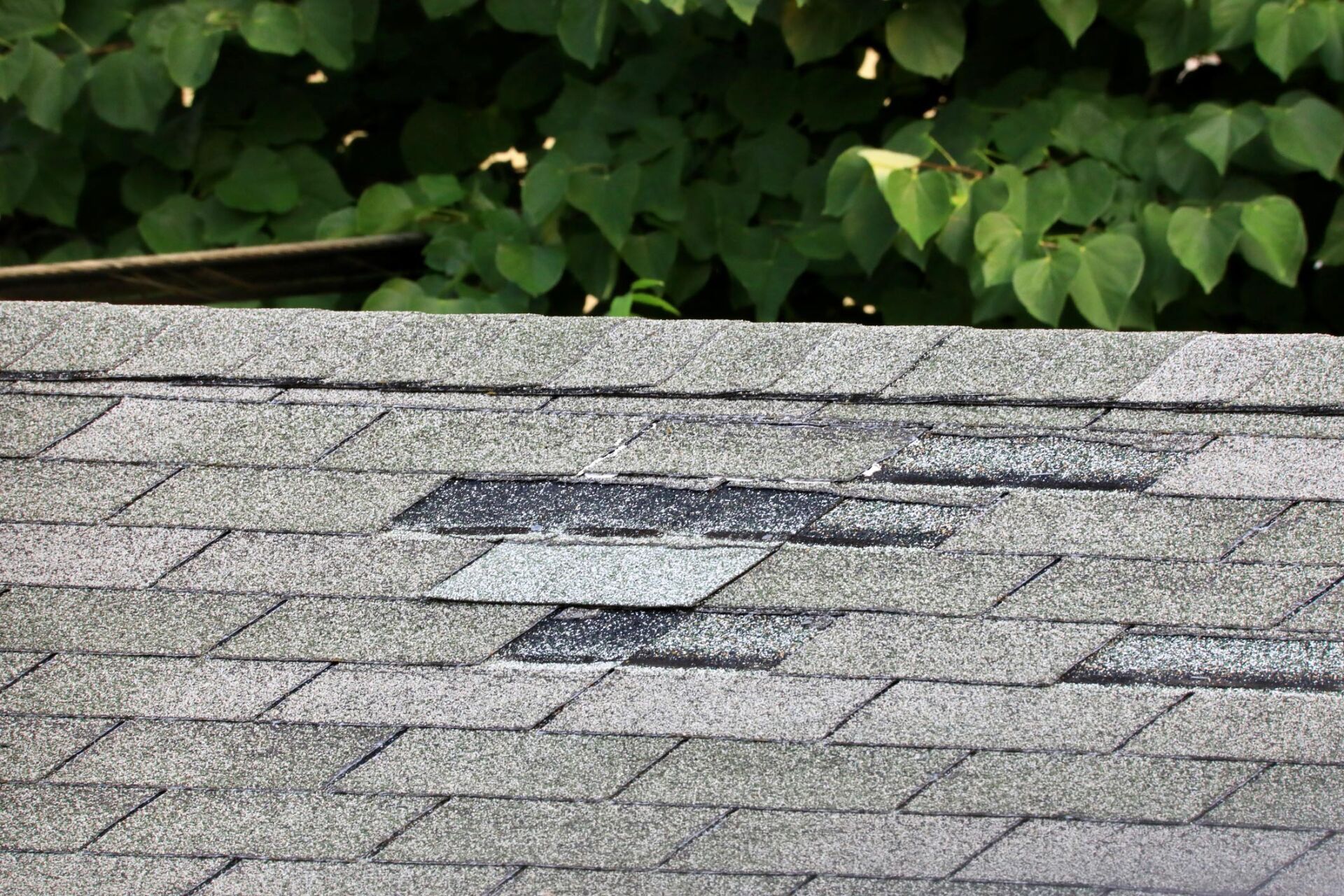
In Cheyenne, where high winds and hail frequently batter residential structures, recognizing the threshold between repair and replacement is vital to protecting property value. Humphrey highlights that while isolated damage can often be patched, recurring leaks frequently point to underlying structural failure that simple repairs cannot resolve. Water intrusion that reaches insulation or decking serves as a clear warning that the system's integrity is compromised.
Beyond immediate leaks, the physical state of the shingles remains a primary diagnostic tool. Curling, cracking, or missing shingles are not merely aesthetic concerns; they leave the building envelope exposed to the elements. When these signs appear alongside a roof’s advanced age, proactive replacement becomes more cost-effective than continuous maintenance. Furthermore, sagging sections of the roof are a significant structural red flag, often indicating moisture-related decay that demands professional intervention.
Humphrey emphasizes that professional inspections are the only way to definitively confirm whether a roof has reached the end of its functional life. By evaluating shingle condition, storm impact, and structural stability, experts can help homeowners avoid the escalating costs associated with ignoring these warning signs. Proactive assessment remains the most reliable strategy for avoiding the severe damage caused by total system failure.




Comments (0)
No comments yet. Be the first!