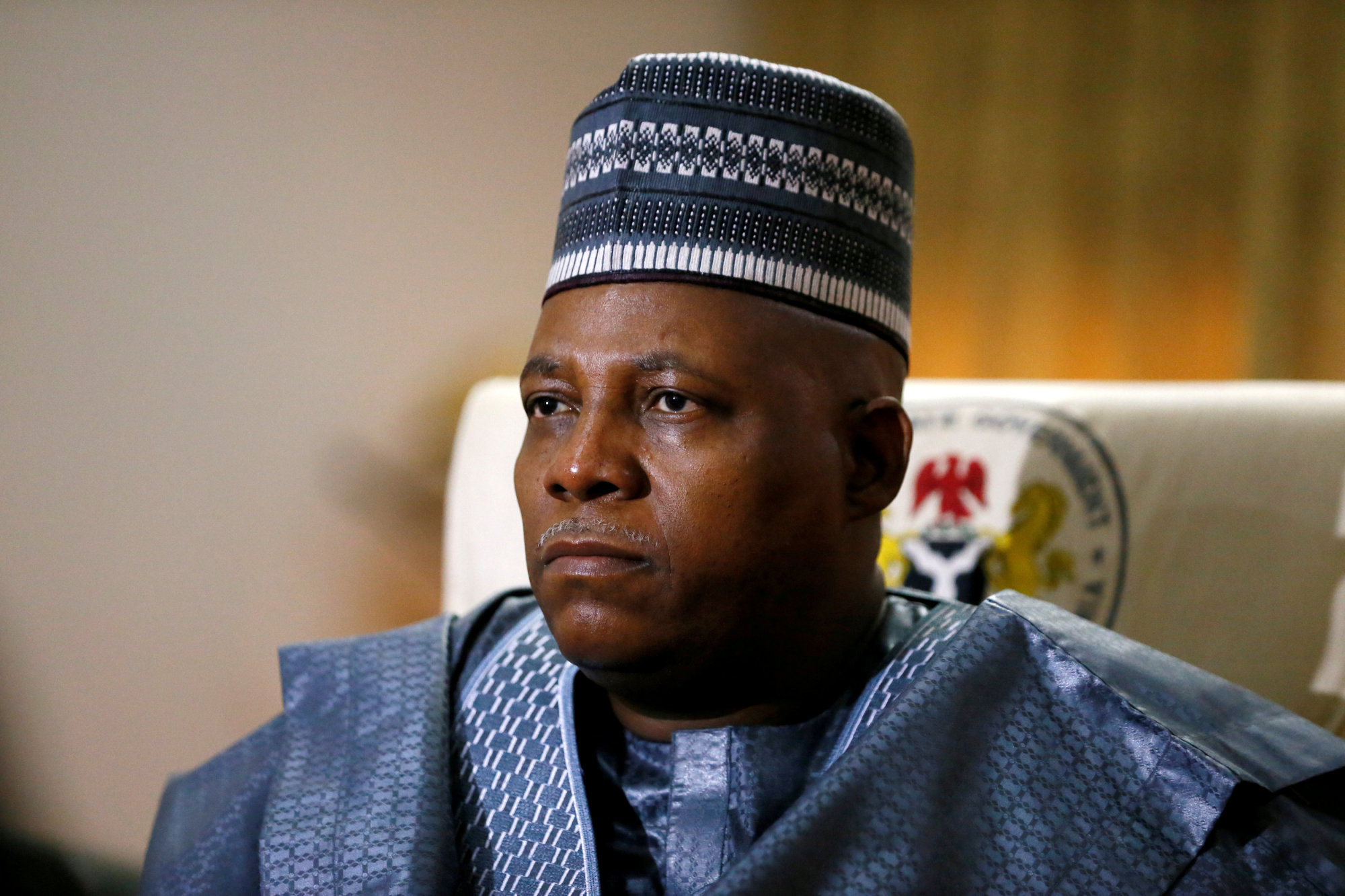
The agreement, formalized in Abuja during discussions between IEA Executive Director Fatih Birol and Nigerian officials, marks a strategic expansion for the agency. By incorporating Africa’s most populous nation, the IEA now accounts for more than 80 percent of global energy demand. The inaugural Joint Work Programme prioritizes energy security, investment, and data statistics, alongside a push for broader access to electricity and clean cooking solutions.
Domestic production figures provide a strong foundation for this collaboration. In June, crude output reached an average of 1.56 million barrels per day (bpd), with total production including condensates climbing to 1.74 million bpd. The Nigerian Upstream Petroleum Regulatory Commission attributed this recovery to stabilized operations and a successful crackdown on theft and sabotage in the Niger Delta. Complementing this growth, industrialist Aliko Dangote has signaled plans for a massive IPO for his refinery, aiming to leverage local investment to drive economic expansion.
Beyond traditional fossil fuels, the government is pursuing an ambitious Energy Transition Plan targeting carbon neutrality by 2060. This roadmap requires a massive infrastructure overhaul, including the development of 277 GW of capacity and over 104,000 mini-grids by 2030. Analysts at Ember project a significant acceleration in the solar sector, forecasting a 45 percent increase in solar installations by 2026 as the country seeks to diversify its energy mix.




Comments (0)
No comments yet. Be the first!