
The study, led by Dr. Wenqiang Yan of the Chinese Academy of Medical Sciences, involved 10 patients who had previously failed at least two lines of standard therapy. Despite the high-risk nature of the cohort—90% of whom possessed high-risk cytogenetic abnormalities—the treatment achieved a 90% objective response rate and a 90% minimal residual disease (MRD) negativity rate. In the high-dose cohort, these metrics reached 100%.
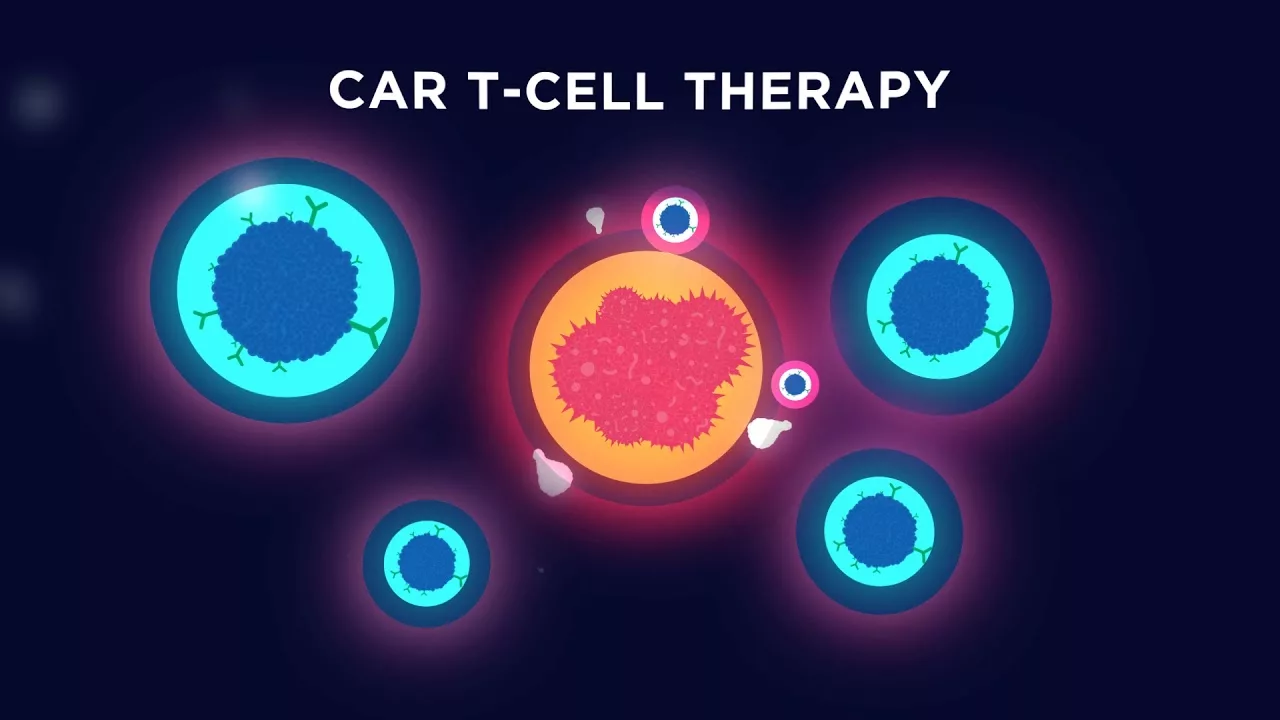
IASO206 functions by generating CAR-T cells directly within the patient, bypassing the traditional ex vivo manufacturing process. Pharmacokinetic analysis confirmed robust expansion of these cells, with peak vector copy numbers observed between 12 and 21 days post-infusion. Safety data remained favorable, with no dose-limiting toxicities or treatment-related deaths reported. Most adverse events were limited to mild infusion reactions or manageable cytokine release syndrome, with no patients experiencing severe neurotoxicity.
According to Dr. Yongke Zhang, Chief Scientific Officer at IASO Bio, these results validate the company's InTelliCAR platform and suggest that in vivo delivery could eventually simplify treatment protocols. The company plans to continue clinical development to determine the optimal dosage for Phase 2 trials while investigating the therapy's potential for earlier lines of intervention in multiple myeloma treatment.

Comments (0)
No comments yet. Be the first!