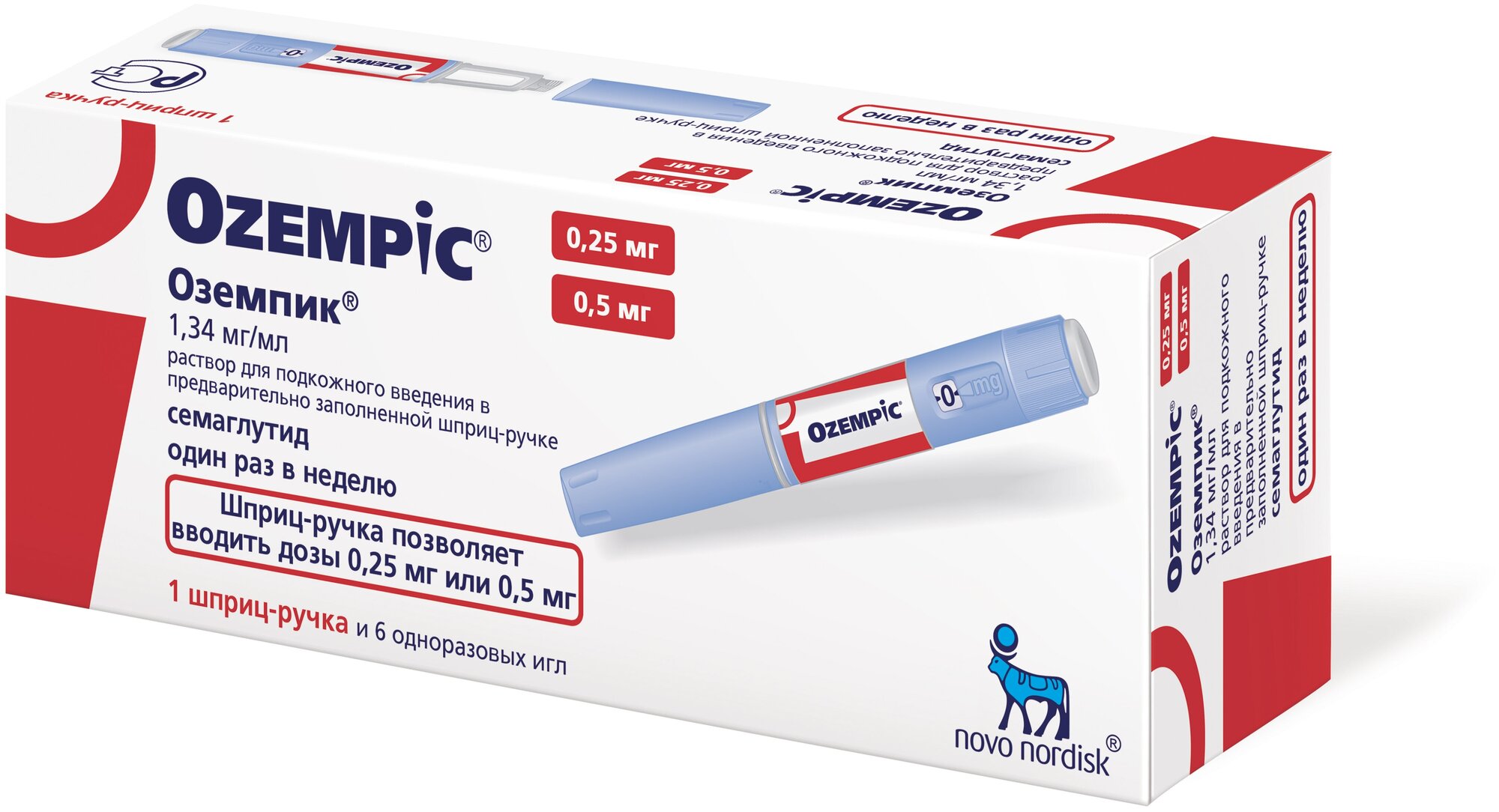
The retrospective analysis, known as COMPETE SWITCH CV, examined insurance claims for over 636,000 adults. Researchers compared health outcomes for patients who intensified their existing semaglutide 1 mg regimen versus those who transitioned to tirzepatide therapy. The findings suggest that for individuals struggling to meet glycemic goals, increasing the current dosage may offer a distinct cardiovascular advantage over changing medication classes entirely.
Michael Radin, executive medical director at Novo Nordisk, noted that these results provide a practical framework for clinicians managing treatment intensification. While the data highlights a statistically significant reduction in risks involving heart attack, stroke, and all-cause death, the study authors acknowledged limitations inherent in retrospective claims research, including potential unmeasured confounding factors. The analysis does not account for safety outcomes, and experts emphasize that clinical decisions should remain individualized, balancing glycemic control with cardiovascular health markers.



Comments (0)
No comments yet. Be the first!