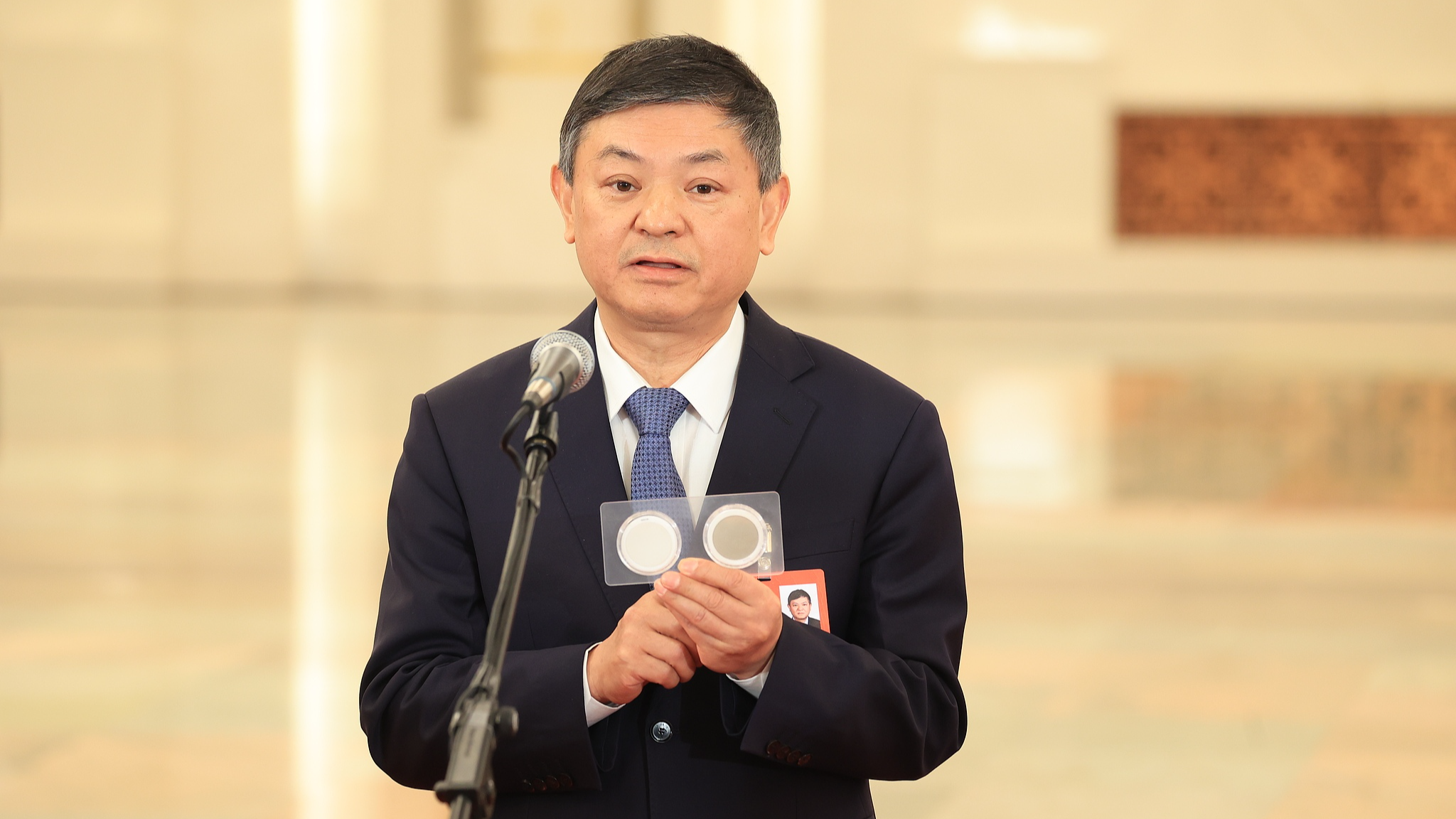
Huang Runqiu, China’s minister of ecology and environment, pointed to domestic benchmarks as proof of industrial-scale change. The country has completed ultra-low-emission retrofits for 1.17 billion kilowatts of coal-fired capacity and 990 million metric tons of crude steel production. With 101 nuclear power units either operating or under development, officials framed these figures as a foundation for broader global climate governance.
International delegates, including Canada’s environment minister Julie Dabrusin and former UN official Achim Steiner, identified the council as a critical bridge. Dabrusin characterized climate action as an economic and strategic necessity, while Steiner noted that China’s upcoming 15th Five-Year Plan signals a shift toward a more integrated approach to development. Kristin Halvorsen, formerly of Norway's CICERO, argued that in a fragmented geopolitical climate, environmental cooperation is no longer a luxury but a fundamental requirement for industrial stability and global survival.




Comments (0)
No comments yet. Be the first!