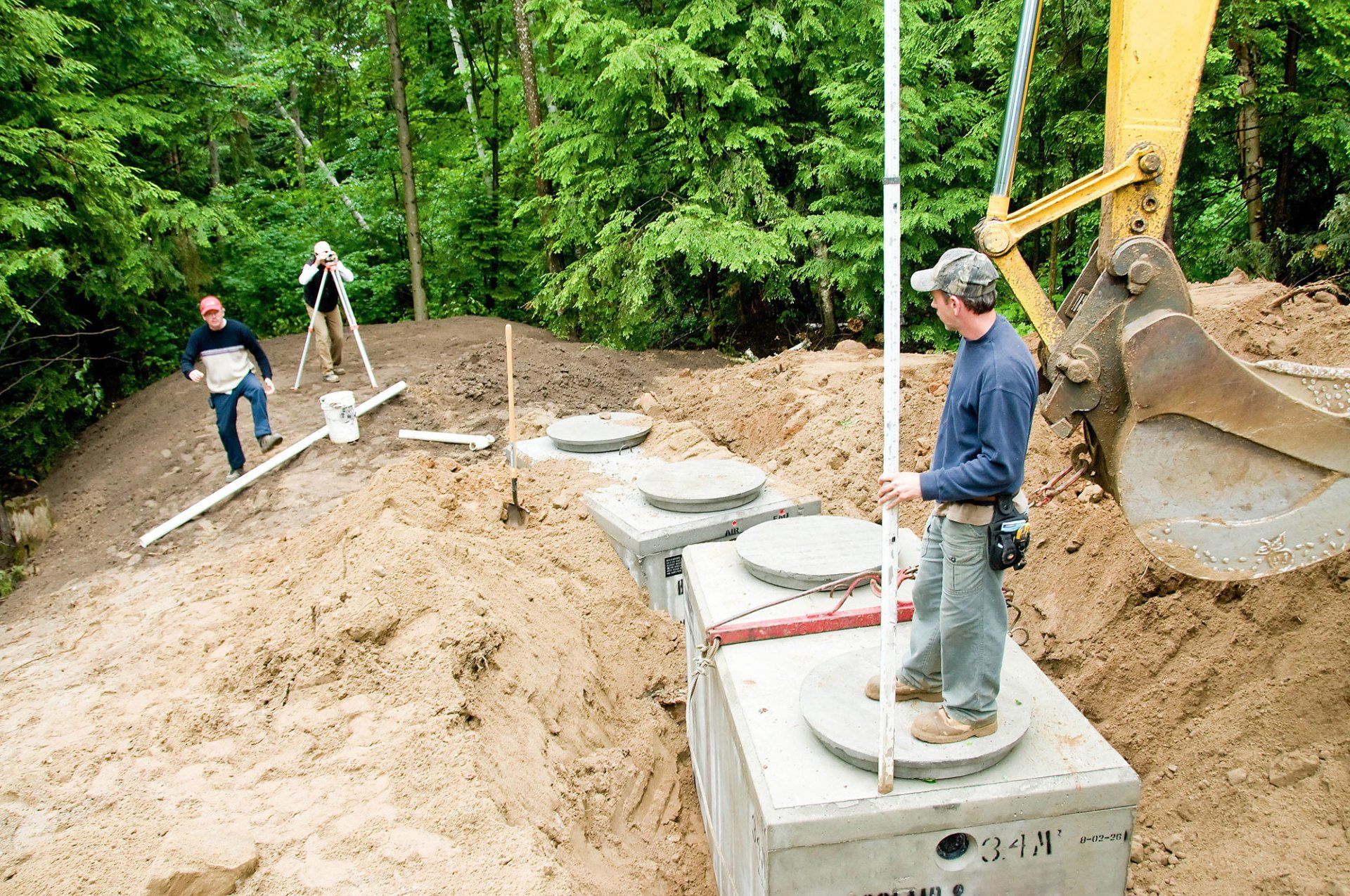
The installation process begins well before machinery arrives on site. Soil composition serves as the primary determinant for system viability, dictating whether a standard setup will suffice or if specialized engineering is required to manage wastewater treatment. These tests measure permeability, directly influencing the layout and dimensions of the essential drain field.
Regulatory compliance remains a significant bottleneck for many projects. Securing necessary permits and obtaining health department approval require early coordination, as local officials must verify that designs meet strict safety standards and setback distances to protect water resources. Homeowners should anticipate these reviews as a foundational part of the construction timeline rather than a final formality.
Beyond regulations, physical property characteristics demand rigorous evaluation. Existing structures, utility lines, and natural drainage patterns complicate site selection. Barton emphasizes that failing to account for seasonal water movement can lead to standing water and premature system failure. Furthermore, sizing the system requires a forward-looking approach; planners must factor in current household occupancy alongside potential future additions, such as extra bedrooms, to ensure the infrastructure remains adequate for years of service.



Comments (0)
No comments yet. Be the first!