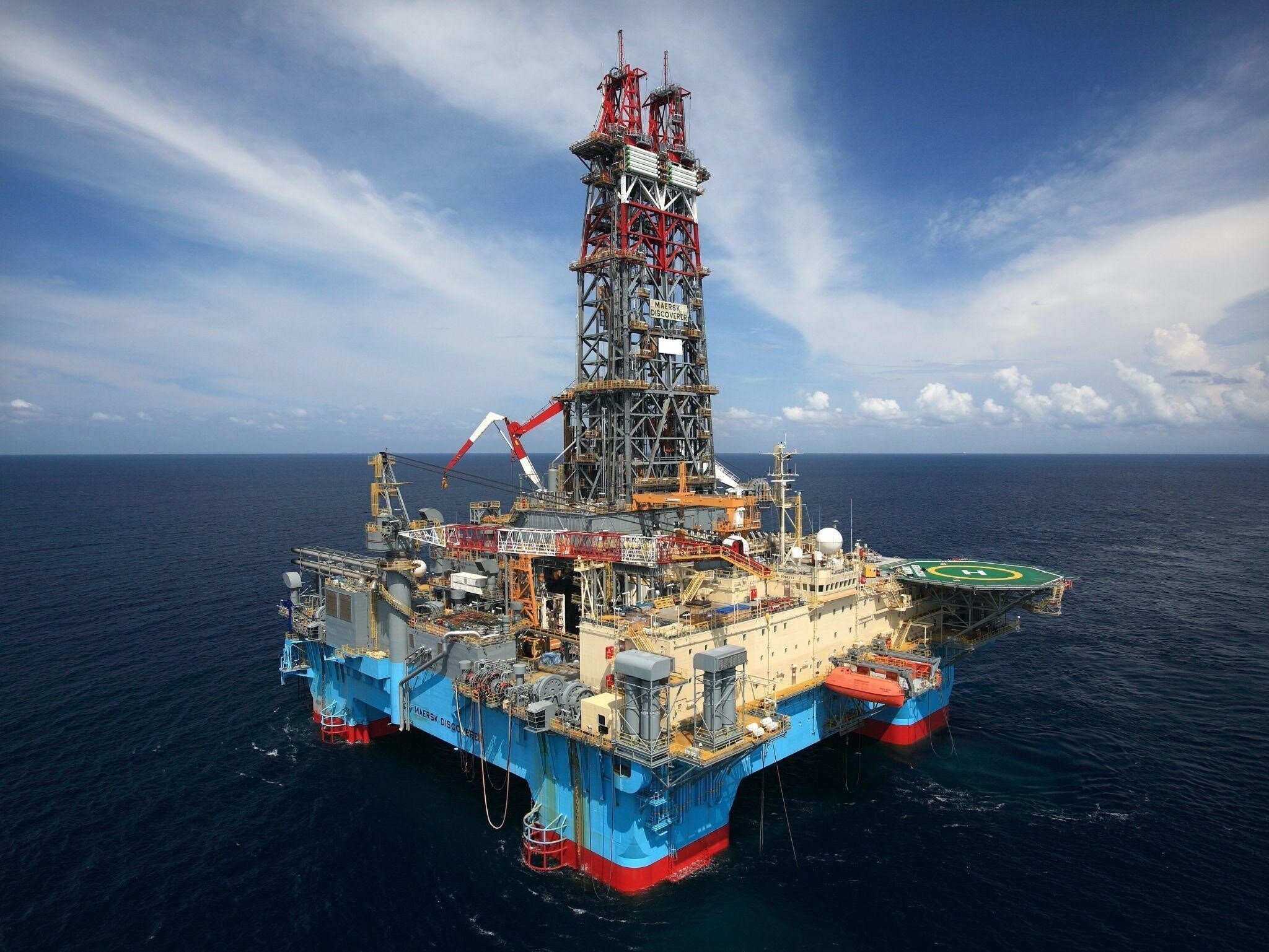
The government projects GDP growth of 20.8 percent in 2026, fueled by an anticipated $6.5 billion in oil revenues. This expansion has propelled the country toward high-income status, with the Natural Resource Fund surpassing $3.1 billion by the end of 2024. For Exxon, the Stabroek Block has become a cornerstone of global operations, contributing 15 percent of the company's operating income. Yet, the distribution of these gains remains contentious. Critics, including University of Guyana economist Thomas Singh, argue that the nation’s 14.5 percent share of the consortium’s proceeds represents a poor return compared to international benchmarks in countries like Norway.
While officials point to new infrastructure, bridge construction, and scrapped tuition fees as evidence of prosperity, the reality for many citizens remains stark. Residents in the capital, Georgetown, continue to face inadequate housing, flooding risks, and persistent crime, leading some to question the tangible impact of the national boom. The government has pledged to build 40,000 homes and modernize healthcare systems, hoping to avoid the pitfalls of resource-rich nations that failed to translate mineral wealth into broad social stability. With the second-highest per capita oil reserves globally, Guyana faces a narrow window to prove that its rapid growth can foster equitable development rather than merely enriching industry stakeholders.


Comments (0)
No comments yet. Be the first!