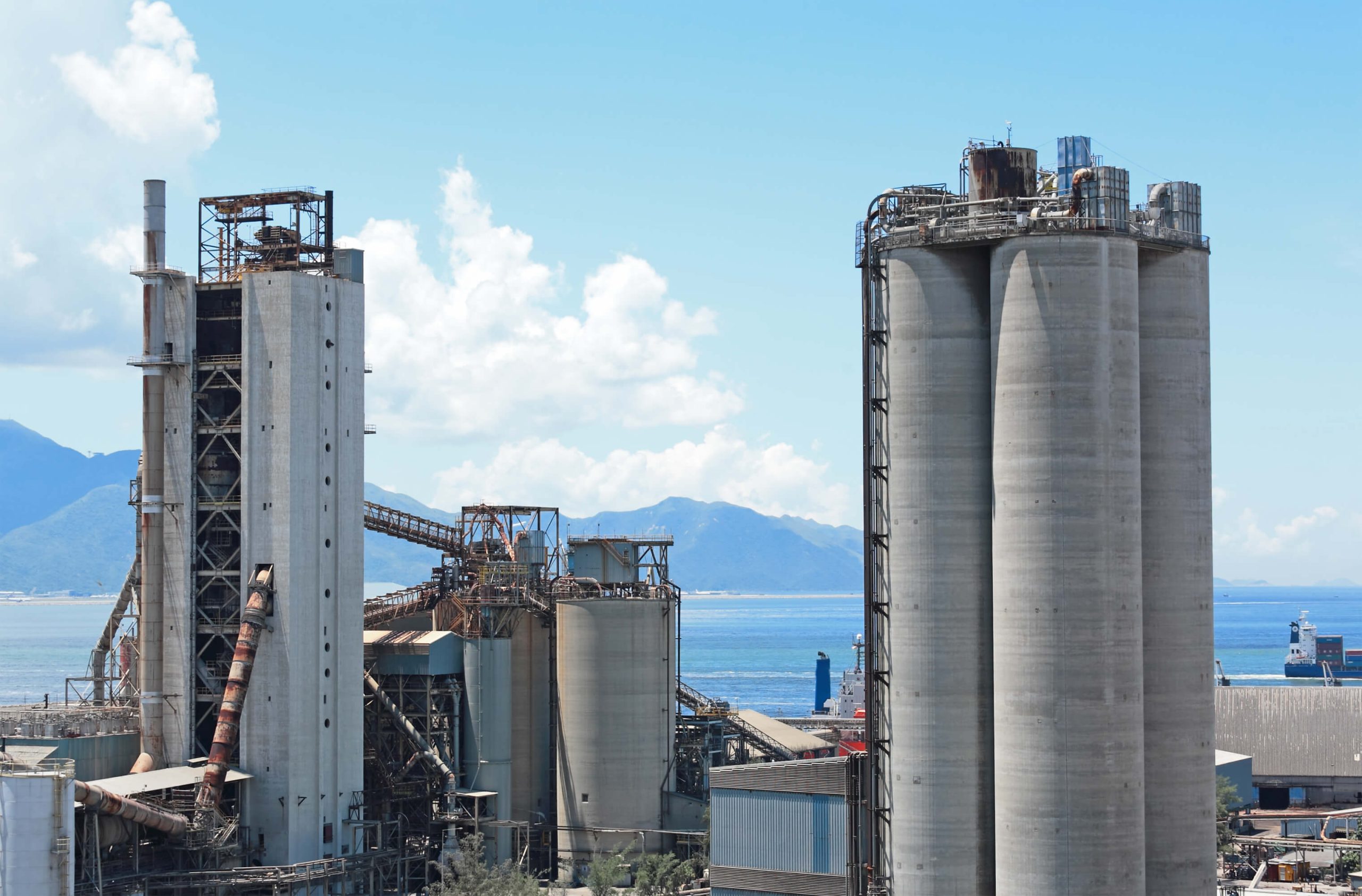
Sixteen African nations are currently building new cement kilns, pushing total continental capacity toward 507 million metric tons. This growth, driven by rapid urbanization and infrastructure needs, creates a foundational sector that often precedes more intensive industrialization in steel and chemical manufacturing. Nigeria leads this surge with 10 million tons of capacity under construction, second only to India globally. Dangote Cement Plc is spearheading this momentum with a $1-billion expansion strategy through 2030, while BUA Cement is investing $1.05 billion to nearly double its output to 20 million tons annually.
The scale of this construction is forcing a reckoning with the continent's energy infrastructure. With the International Energy Agency projecting a 10.1% rise in electricity demand by 2027, the addition of dozens of energy-intensive cement plants puts pressure on already strained national grids. This necessity is driving innovation; producers are increasingly looking to self-generate power. Following the example of international firms like Pakistan’s Bestway Cement, which utilizes solar farms to offset grid reliance, African manufacturers are eyeing renewable integration to ensure competitiveness. As these plants come online, they are not merely producing building materials—they are acting as a catalyst for a broader, energy-dependent industrial transformation.




Comments (0)
No comments yet. Be the first!