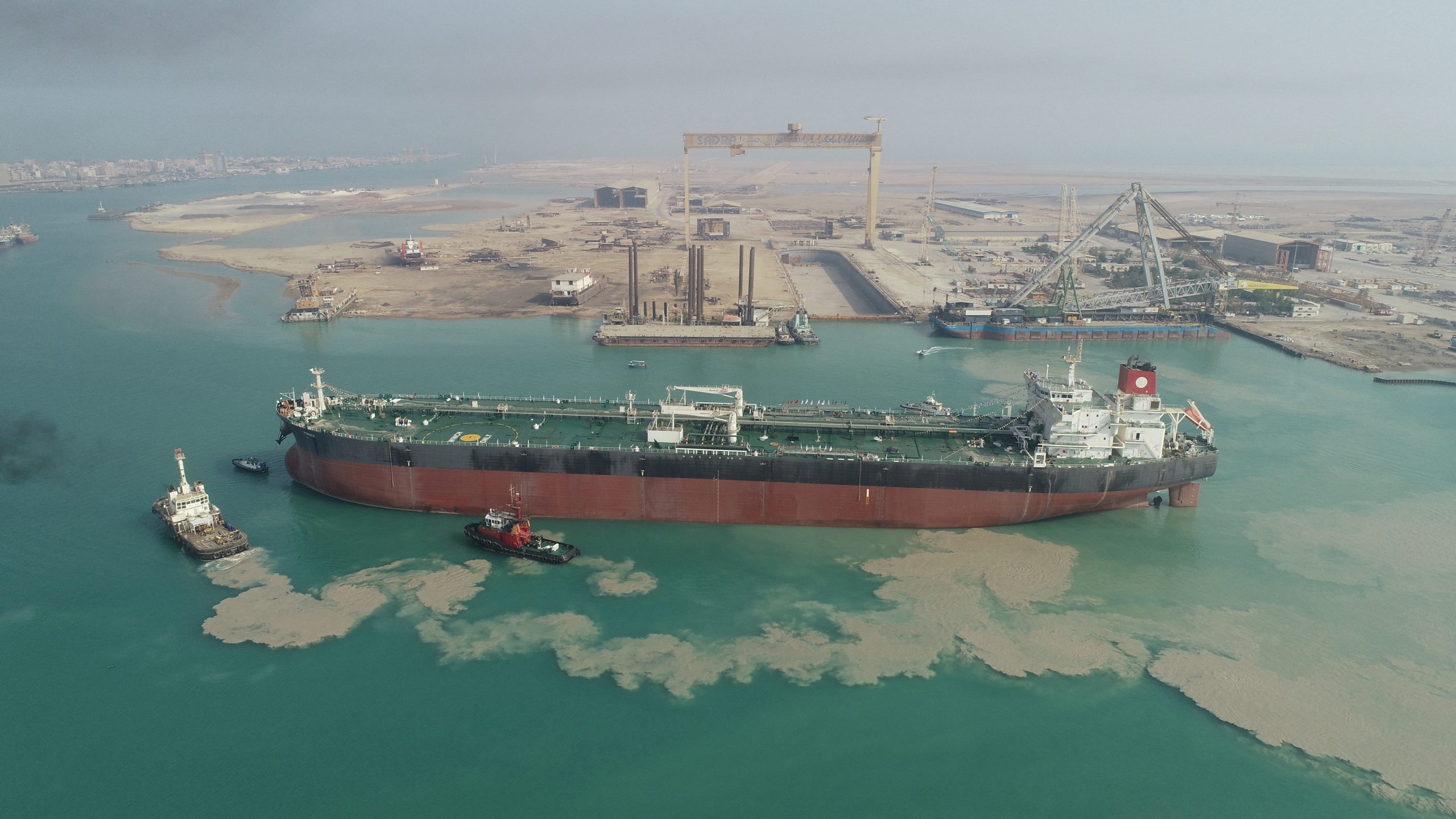
The collapse of Iranian exports is reshaping the energy landscape in Shandong province. Loadings at Kharg Island, which hit 1.8 million barrels per day in March, plummeted to zero by September. While China initially relied on a massive 160-million-barrel floating stockpile to cushion the impact, that buffer has dwindled to 86 million barrels, much of which is trapped within the Gulf. For the independent ‘teapot’ refineries that process a fifth of China’s imports, the loss of discounted Iranian crude is forcing a desperate pivot toward expensive alternatives from West Africa, South America, and the Middle East.
This scramble is driving up global prices. Chinese buyers are now paying record premiums for Russian ESPO and Urals grades, while record freight rates for very large crude carriers further inflate the cost of distant supplies. Although Beijing recently issued an additional 28.05 million tonnes of import quotas to support domestic refineries, these authorizations cannot conjure physical barrels in a market that remains significantly tighter than it was earlier this year. As seaborne imports struggle to recover from their April lows, the pressure on China to replenish its strategic reserves—which have fallen to 1.12 billion barrels—is intensifying.
For Tehran, the economic fallout is reaching a breaking point. While neighboring producers continue to ship 13 million barrels per day through the Strait of Hormuz, Iran’s own output is increasingly stranded, with onshore storage tanks now 60% full. This disparity creates a volatile geopolitical risk: as Tehran’s export revenues evaporate, the incentive to maintain the current flow of its neighbors' oil through the Strait diminishes. The market now faces a dual threat—a persistent supply squeeze for Chinese refiners and the looming possibility that Iran may choose to disrupt the very maritime route that has become its neighbors' lifeline.



Comments (0)
No comments yet. Be the first!