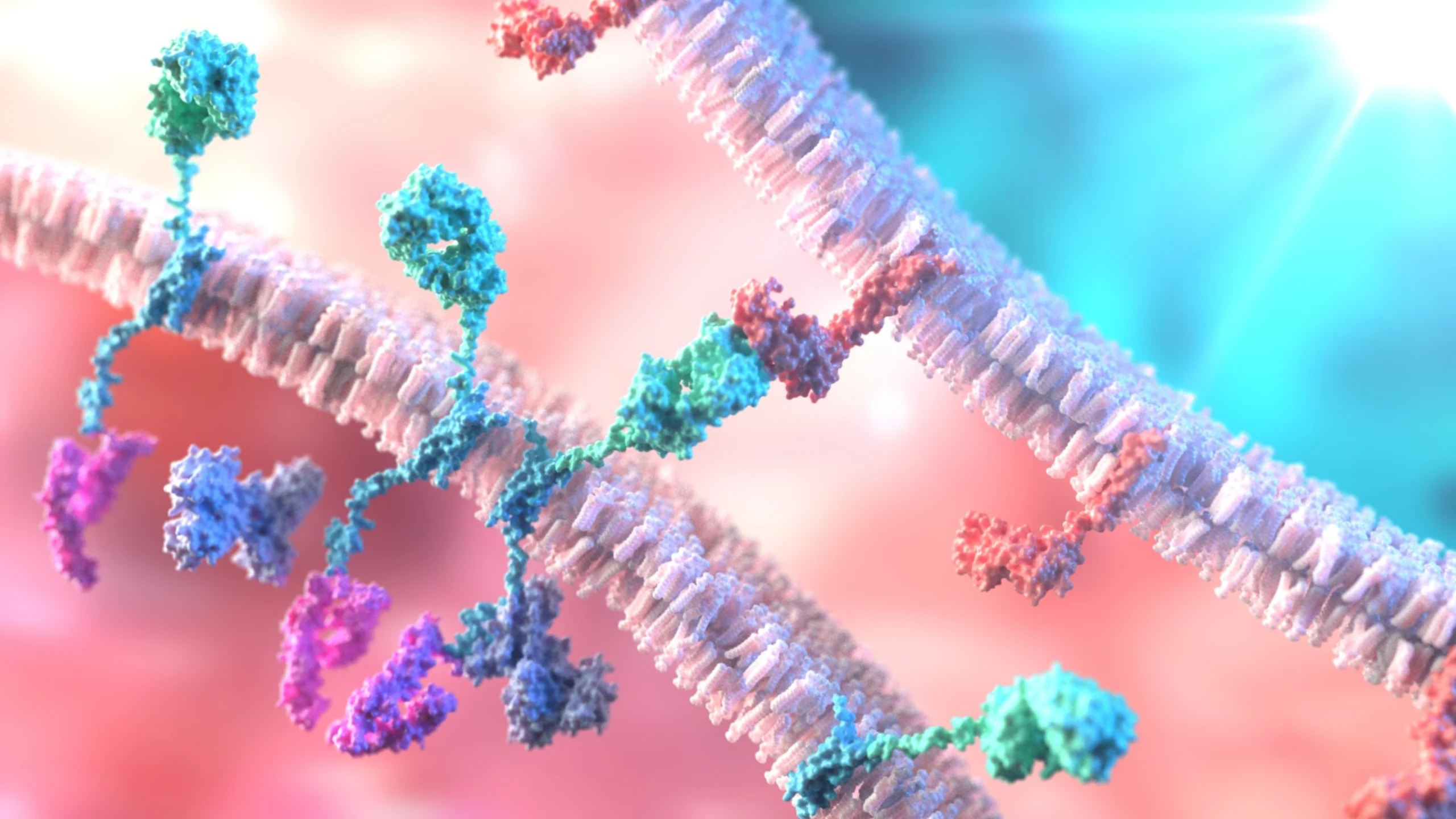
The trial, led by Dr. Robert Wenham, utilizes chimeric endocrine receptor-T cell technology developed at the Duke University School of Medicine. Researchers are testing the safety and efficacy of 1×10⁷ CAR-positive cells per kilogram following lymphodepletion. To date, the study has reported no dose-limiting toxicities across any of the five cohorts.
Anixa CEO Amit Kumar highlighted patient survival outcomes as a point of optimism. While the primary goal of the Phase 1 study remains safety assessment, data shows four participants have survived more than one year post-treatment, with one individual exceeding two years. These results are particularly notable given the patient population, which typically faces a prognosis of only a few weeks after exhausting standard therapies.



Comments (0)
No comments yet. Be the first!