The three-day summit emphasized that the modern destination organization must transcend traditional metrics like room nights and visitor spending. Don Welsh, CEO of Destinations International, argued that leaders must now prioritize the flow of investment, talent, and innovation to ensure a place remains competitive. Instead of simply chasing tourism numbers, organizations are tasked with becoming architects of their local economies, leveraging soft power to navigate geopolitical shifts and digital transformation.
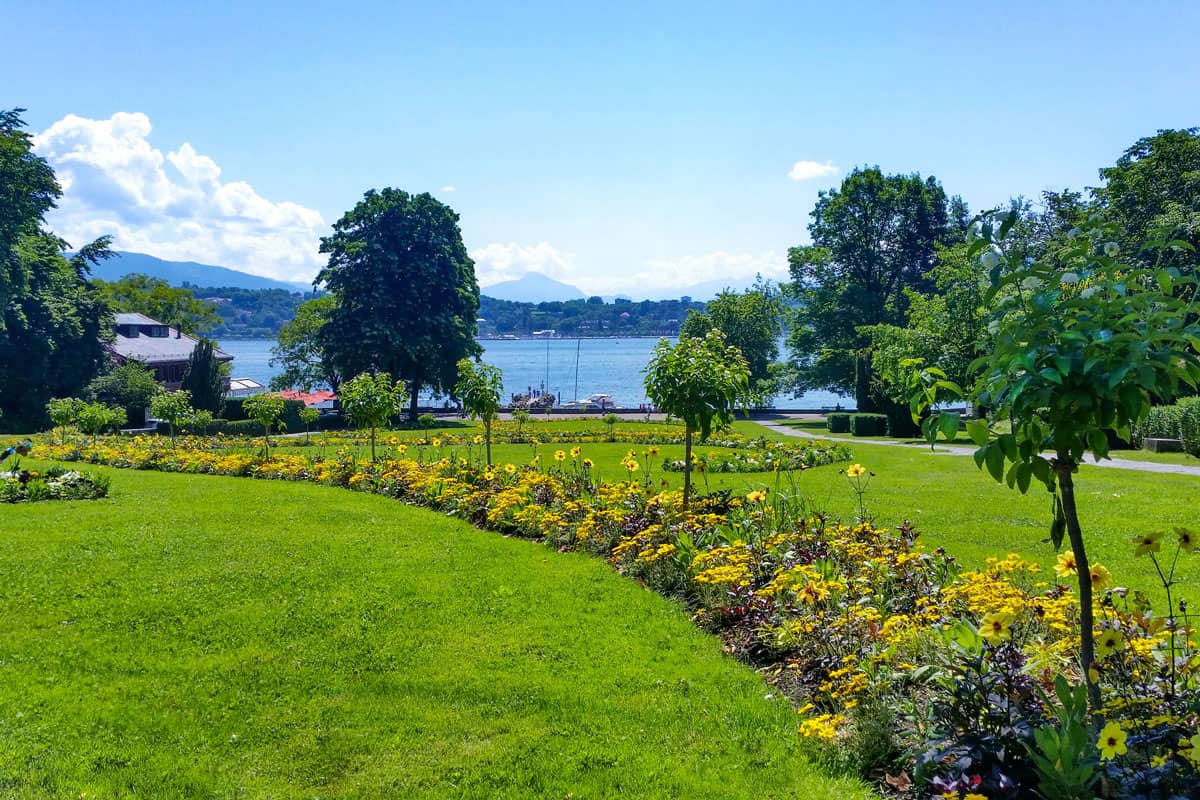
Discussions highlighted that resilience is no longer about restoring pre-pandemic conditions but about proactive adaptation. As artificial intelligence reshapes how travelers discover locations, organizations are finding they must influence digital platforms to maintain authentic representation. This shift requires a leadership model rooted in trust and coordination, a strategy mirrored by the event's host city, Geneva, which leverages its historical neutrality to maintain global relevance.
Practical application of these principles appeared in case studies like Vancouver’s approach to the 2026 FIFA World Cup. By repurposing event infrastructure into public assets, Destination Vancouver demonstrated how major gatherings can reinforce local identity long after the crowds depart. The forum concluded with a visit to CERN, serving as a reminder that the most complex challenges—whether in particle physics or urban development—are best solved through international cooperation and the shared pursuit of purpose.




Comments (0)
No comments yet. Be the first!