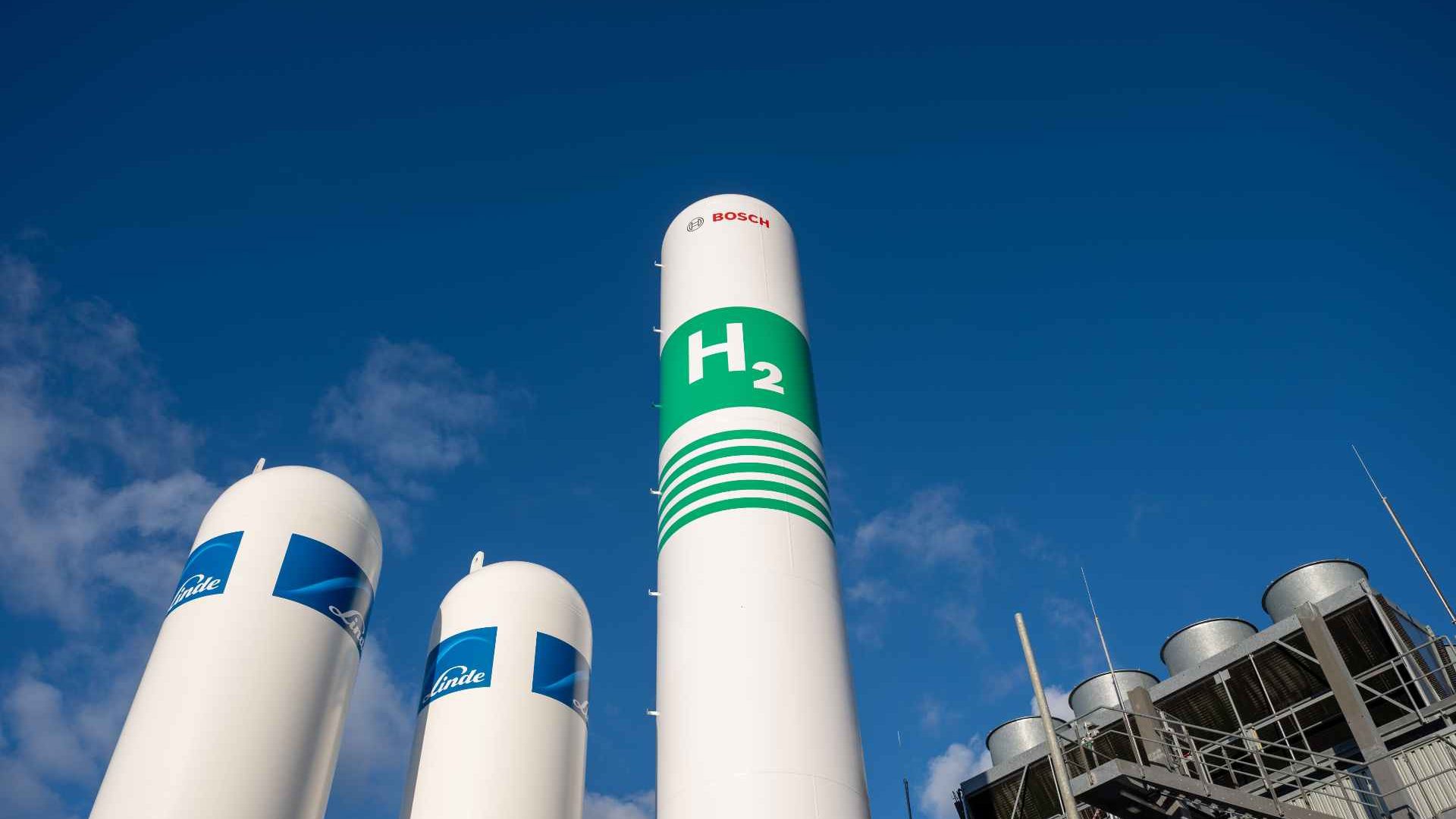
While alkaline electrolysis maintains its dominance due to long-standing commercial maturity and cost-efficiency in large-scale operations, Proton Exchange Membrane (PEM) technology is gaining momentum. PEM electrolyzers are increasingly favored for their compact footprints and responsiveness to the fluctuating power profiles of wind and solar energy. This shift is mirrored by a massive surge in manufacturing capacity, which hit 38 GW per year in 2024, far outpacing the current global installed capacity of roughly 4 GW.
Asia-Pacific remains the central engine of this expansion, with China alone responsible for nearly 75% of new installations in 2025. However, the market faces significant hurdles, including high initial capital requirements and a disconnect between announced capacity and finalized investment decisions. To bridge this gap, major players like Nel ASA and thyssenkrupp nucera are localizing production and forming strategic alliances to reduce costs. The industry’s future hinges on its ability to convert a massive pipeline of over 100 GW of announced projects into operational facilities before 2030, ensuring that hydrogen production keeps pace with industrial decarbonization goals.


Comments (0)
No comments yet. Be the first!