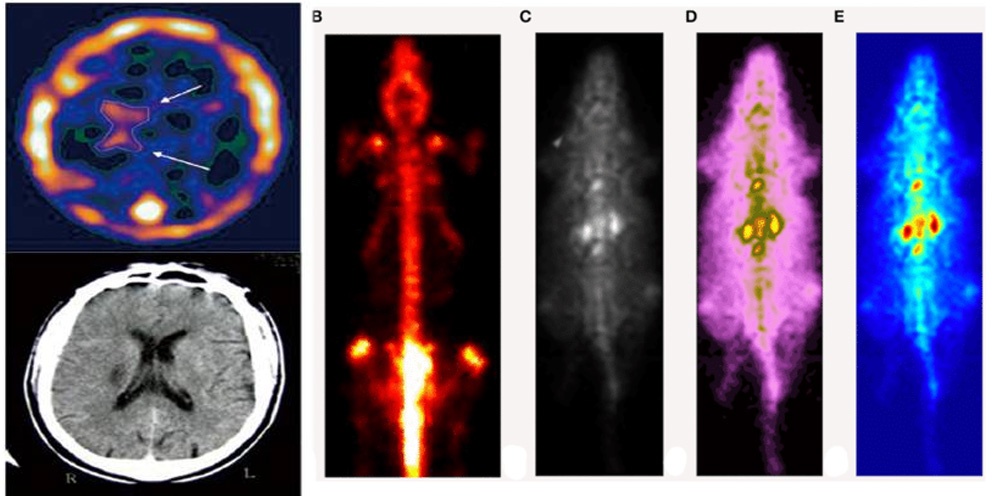
Dr. Daniel Amen and his team analyzed brain SPECT scans from 58 women diagnosed with postpartum depression, comparing them against a massive database of 26,077 individuals with major depression. The findings reveal that postpartum depression is not a uniform condition but manifests through specific, identifiable neurological pathways. While nearly 40% of the postpartum group showed hyperfrontal or anterior cingulate cortex patterns, only 19.4% of the major depression cohort displayed similar activity.
Limbic patterns were also twice as prevalent in postpartum cases, occurring in 24.1% of patients compared to 12% in the control group. Conversely, the study highlighted a stark divergence regarding brain trauma; while 25.3% of those with major depression showed signs of acquired injury, only 1.7% of the postpartum group shared this marker. These results indicate that relying solely on symptom-based diagnosis may obscure the underlying biological drivers of mental health crises. Amen Clinics emphasizes that imaging serves as a supplementary diagnostic tool rather than a standalone method, aimed at tailoring treatment plans to the specific physiological needs of individual patients.




Comments (0)
No comments yet. Be the first!