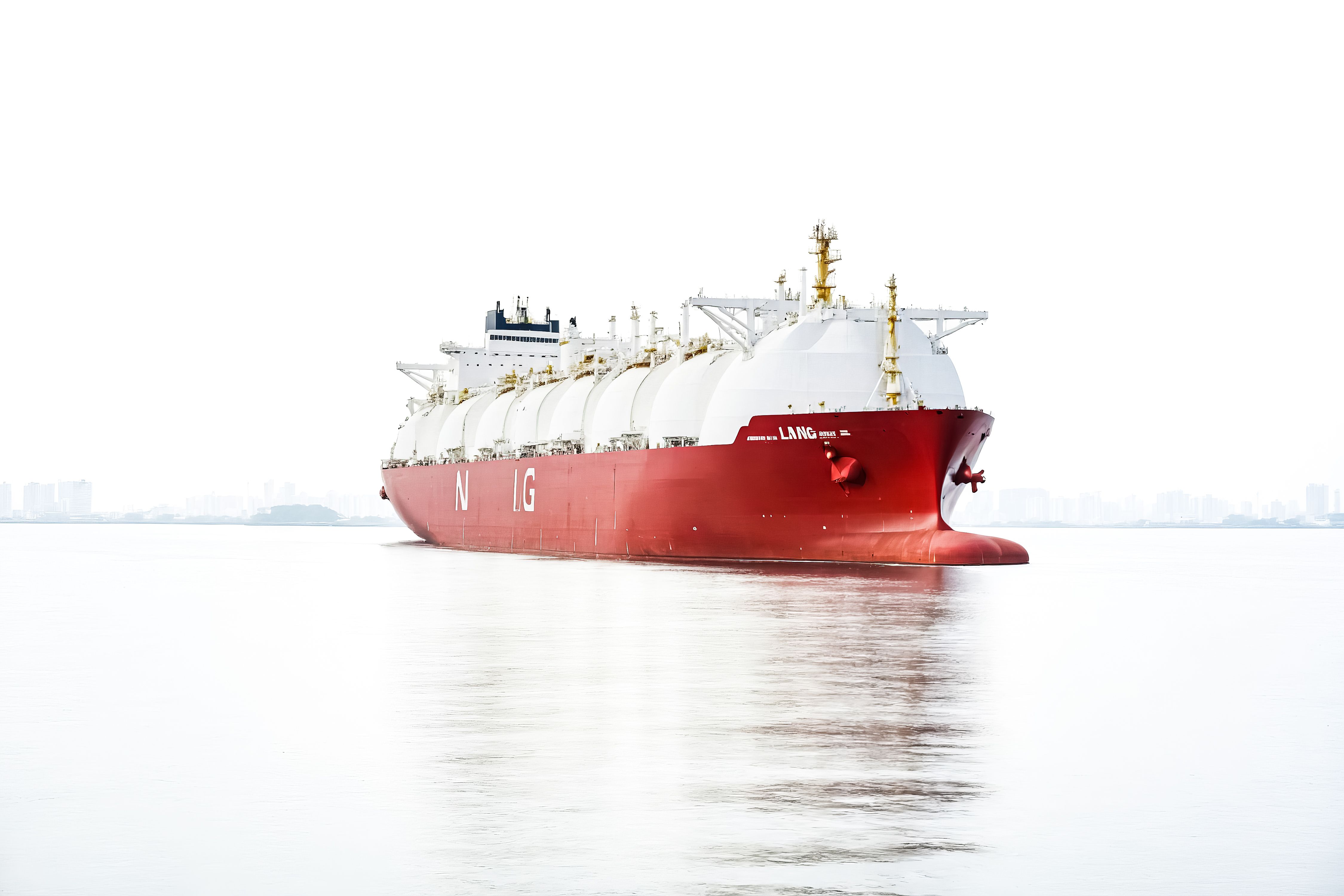
Shipping data from LSEG and Kpler reveals that while some Qatari and UAE shipments have successfully navigated the passage, the movement is insufficient to stabilize global balances. Carriers increasingly rely on dark mode to bypass surveillance, complicating efforts to monitor supply. Unlike crude oil, which continues to transit in millions of barrels daily, LNG remains constrained by the technical difficulty of ship-to-ship transfers, which are far more complex for gas than for oil.
The persistent bottleneck has forced Qatar to extend its force majeure on deliveries to Asia and Europe through the end of November. This supply vacuum has driven regional gas prices to their highest levels since the 2022-2023 energy crisis, as buyers scramble for alternatives that avoid the volatile waterway. With the U.S.-Iran stalemate showing no sign of resolution, concerns mount regarding winter energy security for European and Asian markets, particularly if temperatures drop significantly in the coming months.


:max_bytes(150000):strip_icc()/Houseextension-GettyImages-139527979-5ca7dc3edd78449f820421a7648f5931.jpg)
Comments (0)
No comments yet. Be the first!