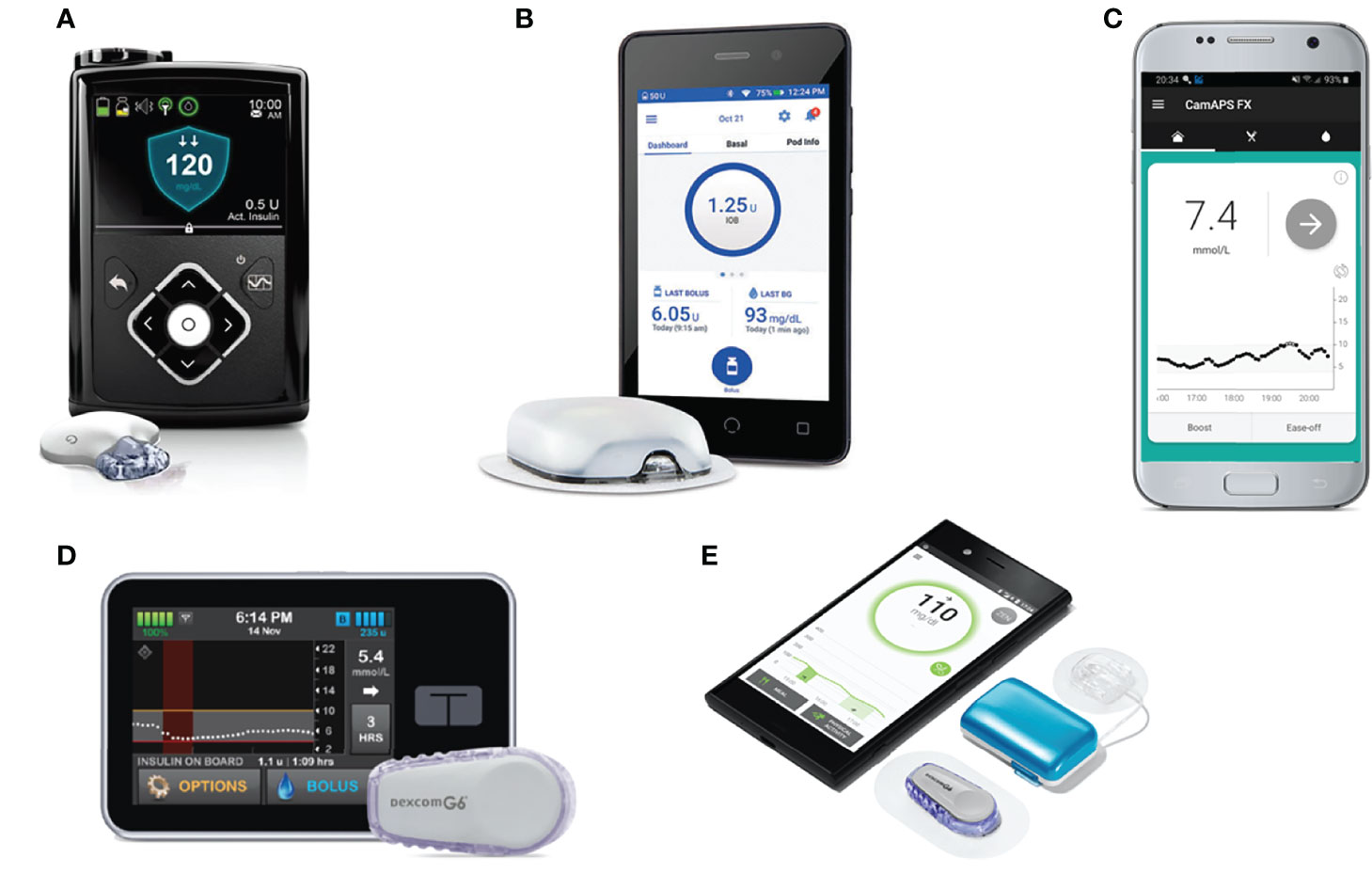
The collaboration, which began in June 2025, aims to solve the logistical burden of wearing multiple devices for automated insulin delivery. The SMART02 study specifically examined the technical hurdle of maintaining sensor accuracy while delivering insulin in close proximity. Results indicated that signal interference remained rare, occurring primarily during bolus doses of 10 units or more. When interference did appear, the sensor signal typically recovered within 20 minutes.
During the symposium chaired by Prof. Mark Evans and Dr. Guido Freckmann, researchers showcased how the niia signature prototype integrates these disparate technologies. The study confirmed that the PharmaSens patch pump and the SiBionics sensor maintained consistent performance when paired with the automated glucose control algorithm developed by Prof. Ahmad Haidar. While the niia signature remains an investigational device not yet approved for commercial sale, these findings mark a significant step toward a more streamlined, all-in-one wearable system for diabetes care.



Comments (0)
No comments yet. Be the first!