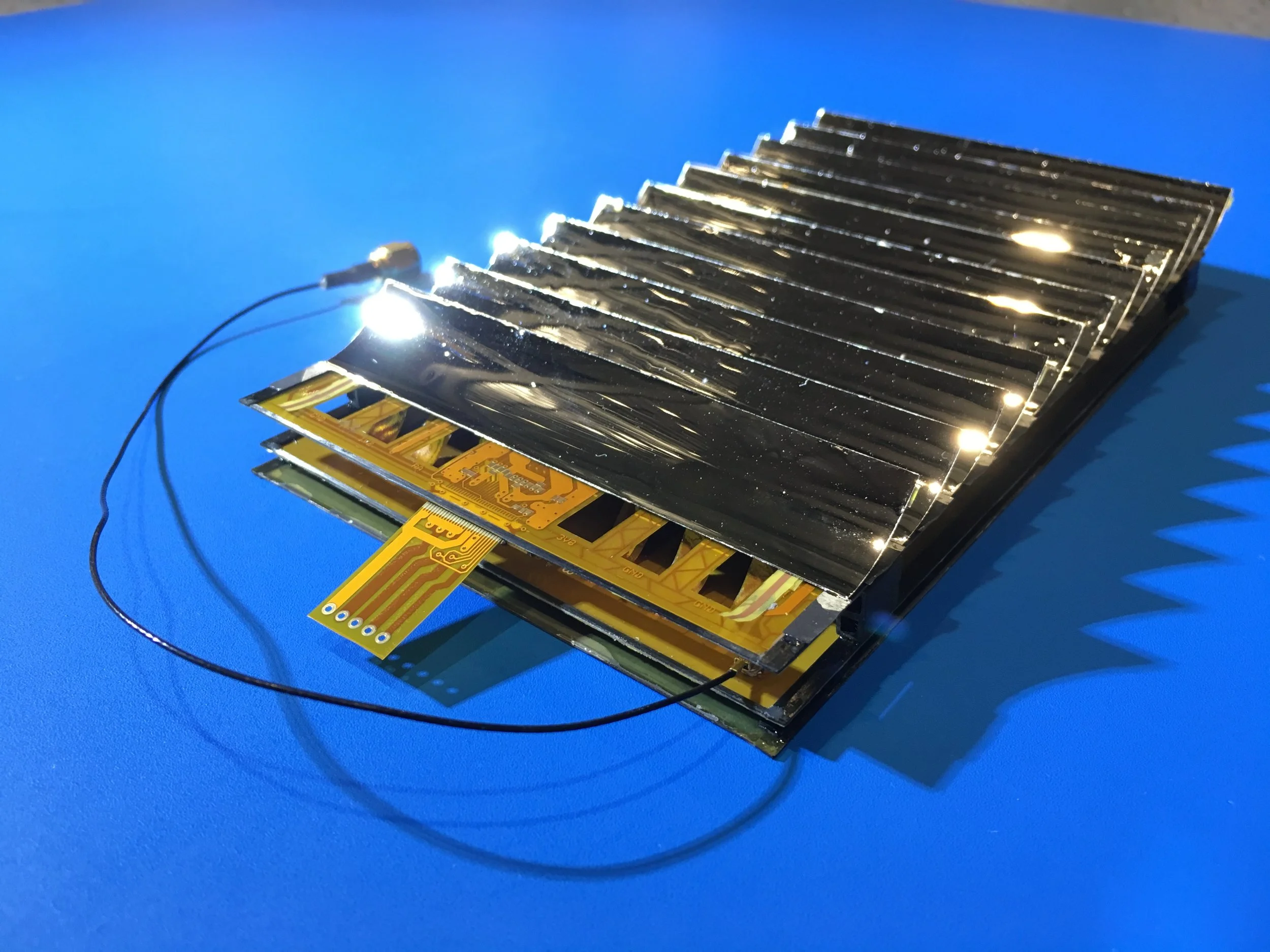
Unlike ground-based solar farms, which require vast land tracts and face production gaps during night hours, orbital arrays provide a constant stream of clean energy. The military intends to utilize this dispatchable power to supply remote installations, bypassing the land-use conflicts and storage limitations that currently plague utility-scale solar projects. A demonstration of the system is scheduled for 2028, followed by the deployment of a geosynchronous satellite constellation in 2030.
Overview Energy has already secured a separate agreement to provide 1 gigawatt of power to Meta, signaling strong interest from both government and private sectors. However, the technology remains unproven in orbit. Skeptics, including Stanford physicist Amory Lovins, question the economic viability of the project. Lovins argues that established alternatives like geothermal and nuclear power currently offer more cost-effective solutions for round-the-clock energy production.




Comments (0)
No comments yet. Be the first!