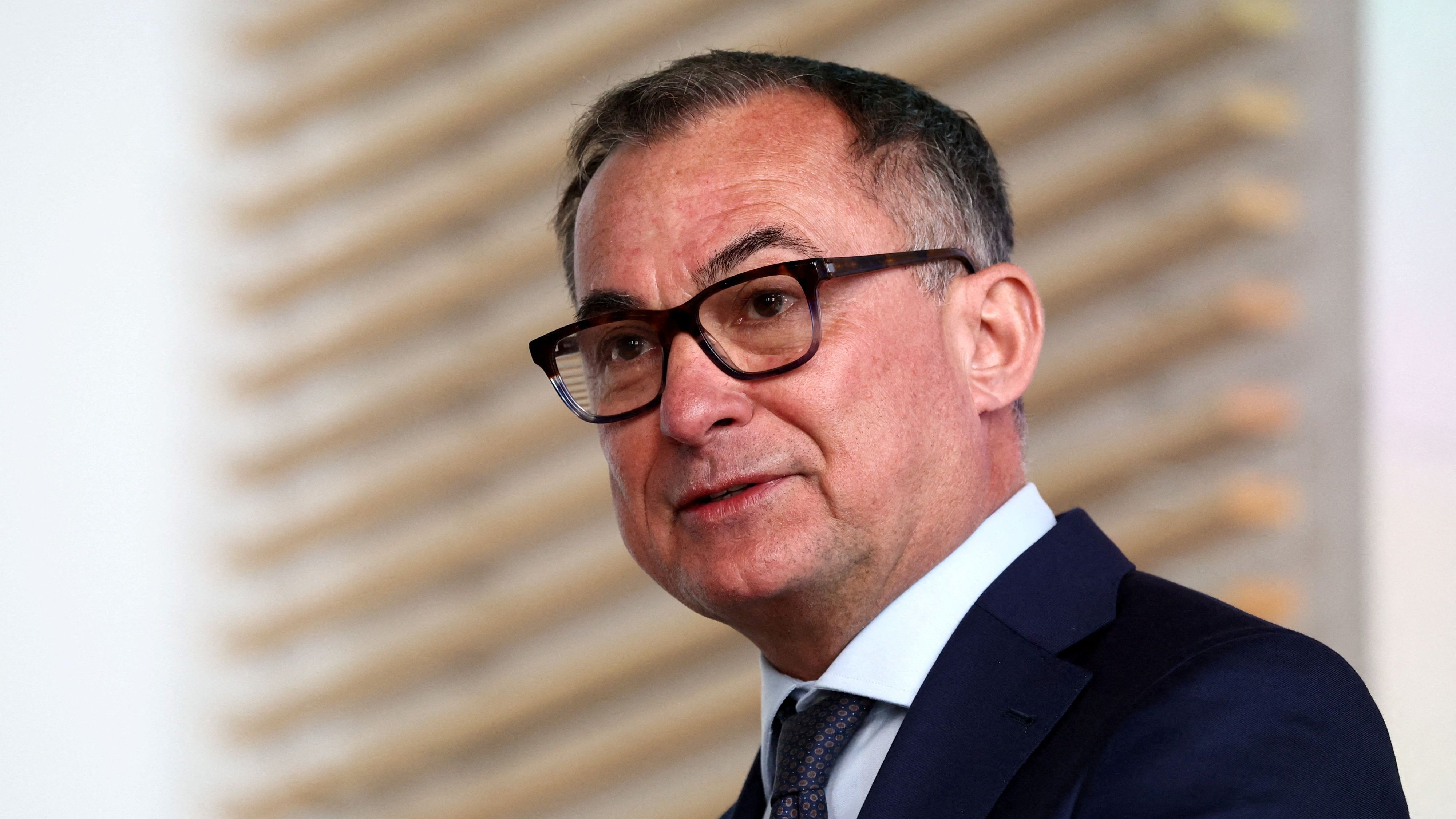
Speaking at the LBMA Global Precious Metals Conference, Nagel highlighted that central banks have aggressively shifted their portfolios, with gold’s share of global reserves climbing from roughly 14% in 2023 to nearly 25%. While price appreciation accounts for part of this shift, the fundamental driver remains the need for assets independent of counterparty obligations. Unlike foreign securities or deposits, which are susceptible to freezes, domestically held bullion remains beyond the reach of external sanctions.
Nagel pointed to Germany’s own strategy as a benchmark, noting that the Bundesbank maintains over 3,500 tonnes of gold. He cautioned that while global government bond yields have risen, making them theoretically more attractive, the burden of sovereign debt is simultaneously eroding confidence in creditworthiness. Fiscal indiscipline, he warned, acts as a self-sustaining catalyst for gold demand.
Despite the darkening horizon, Nagel expressed cautious optimism regarding the global economy. He noted that growth has remained robust despite regional conflicts and trade disruptions, with artificial intelligence infrastructure and industrial recovery providing a solid buffer. However, inflation remains the primary threat to this stability. The ECB faces a delicate balancing act as it monitors whether temporary energy price shocks—exacerbated by Middle East instability—might bleed into wage-setting and broader inflation. For now, the bank maintains a data-dependent policy, with the deposit rate at 2.5%, keeping a watchful eye on persistent price pressures.




Comments (0)
No comments yet. Be the first!