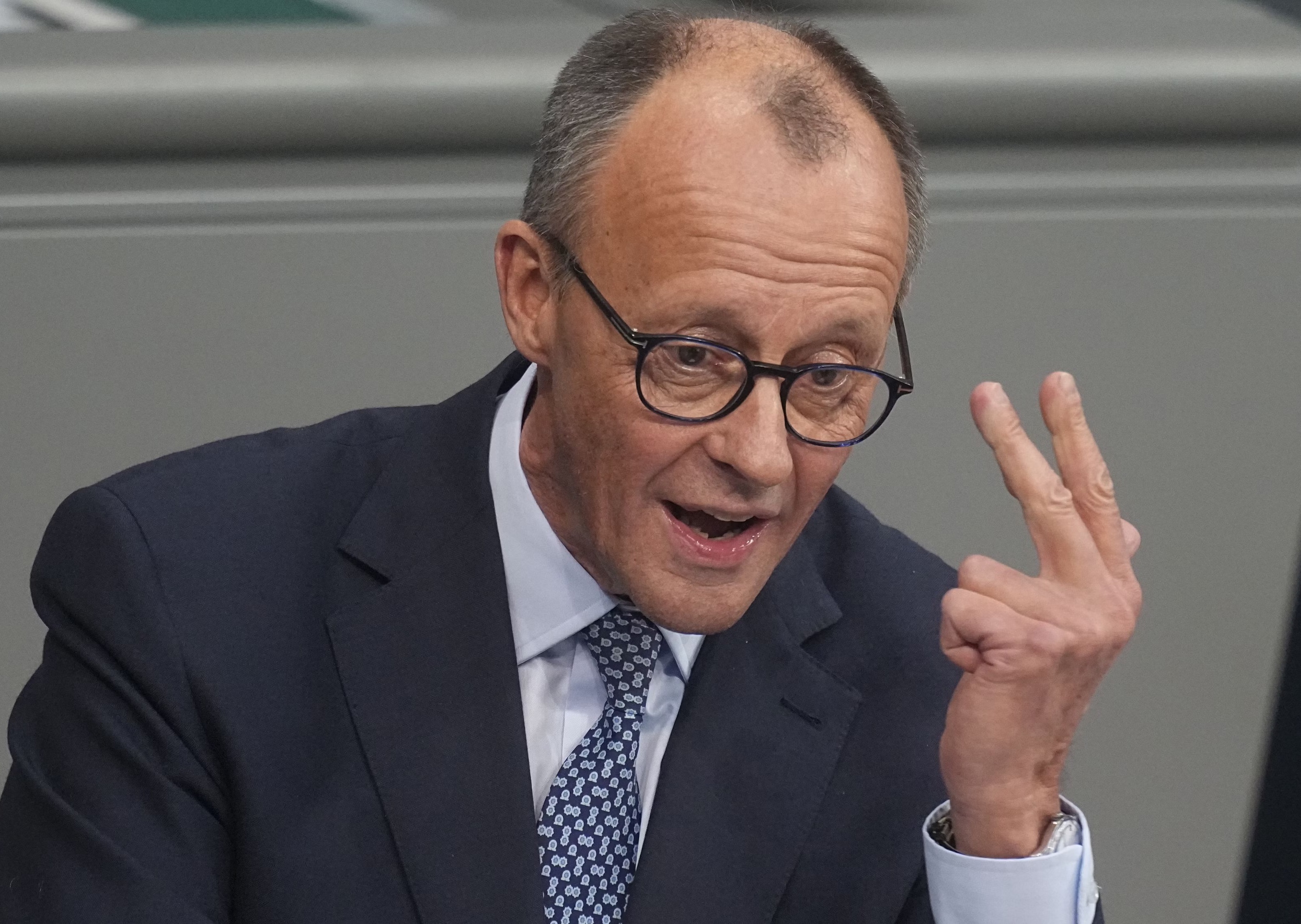
The market reaction was immediate and broad. Heidelberg Materials shares tumbled 11% to 189.90 euros, while Holcim retreated 8.5% to 71.16 euros. The downturn followed Merz’s remarks at a heavy industry summit in Antwerp, where he urged the EU to reconsider the withdrawal of free emission allowances. This intervention suggests a growing tension within the European Commission as it attempts to reconcile aggressive decarbonization targets with the need to maintain industrial competitiveness.
The impact rippled through the energy sector, triggering the sharpest decline in European carbon-allowance futures since May 2022. EUA futures on the Intercontinental Exchange Endex fell 8.2% to 70.64 euros a ton. While utilities do not receive free permits, the drop in carbon pricing dragged down clean energy providers. Finland’s Fortum Oyj saw a 6.45% decline, and Italy’s A2A fell 4.7%, as analysts at Berenberg noted that lower carbon prices diminish the competitive advantage of renewable energy producers.
Pricing Power at Risk
The core of the investor anxiety lies in the disruption of a long-held market thesis. Analysts previously anticipated that higher emission costs would force the closure of inefficient plants, thereby tightening supply and allowing market leaders to raise prices. Ben Leyland, a senior fund manager at JO Hambro, noted that the current uncertainty suggests a potential roll-back of carbon price commitments. According to Leyland, the investment case for the sector could break if policy reversals strip industry leaders of their regained pricing power.
The European Commission is expected to provide clarity on the future of the carbon market in the third quarter of this year. Until then, the sector remains sensitive to political rhetoric that suggests a "watering down" of the Emissions Trading System (ETS). For now, the market is pricing in a future where the transition to a high-cost carbon environment—and the subsequent consolidation of the cement industry—may be significantly delayed.


Comments (0)
No comments yet. Be the first!