
The cosmetics giant saw organic growth pick up speed throughout the year, culminating in a 1.5% sales increase in the final quarter. Operating profit climbed to 8.89 billion euros, narrowly beating analyst expectations. According to the company, efficiency measures successfully cushioned the impact of external economic pressures, allowing the group to maintain its lead over U.S. competitors such as Estée Lauder and Johnson & Johnson.
L'Oreal is aggressively consolidating its position at the top of the luxury segment. In October, the group finalized a $4.7 billion deal to acquire Kering Beauté, bringing the House of Creed and future rights to Gucci and Balenciaga under its umbrella. This was followed by a $4.9 billion move to double its stake in Swiss dermatology specialist Galderma to 20%, alongside the acquisition of British skincare brand Medik8.
Capitalizing on a $590 Billion Market
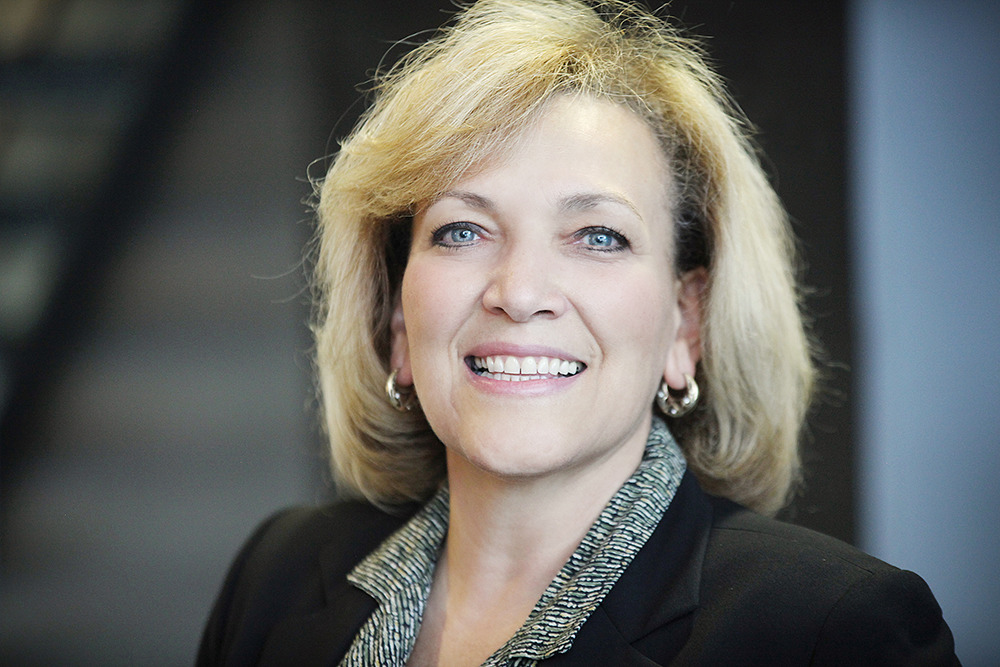
The global beauty sector—spanning skincare, fragrances, and hair care—is projected to reach a total value of $590 billion by 2030, according to McKinsey data. L'Oreal aims to capture a disproportionate share of this 5% annual growth. "We are set up for further acceleration," Hieronimus stated, noting that a "step-up" in product launches will drive momentum through 2025.
The group’s recent expansion focuses on three high-growth pillars:
- High-end fragrance through the integration of luxury fashion house licenses.
- Dermatological beauty via increased investment in clinical brands like Galderma.
- Operational efficiency to protect margins against volatile trade environments.


Comments (0)
No comments yet. Be the first!