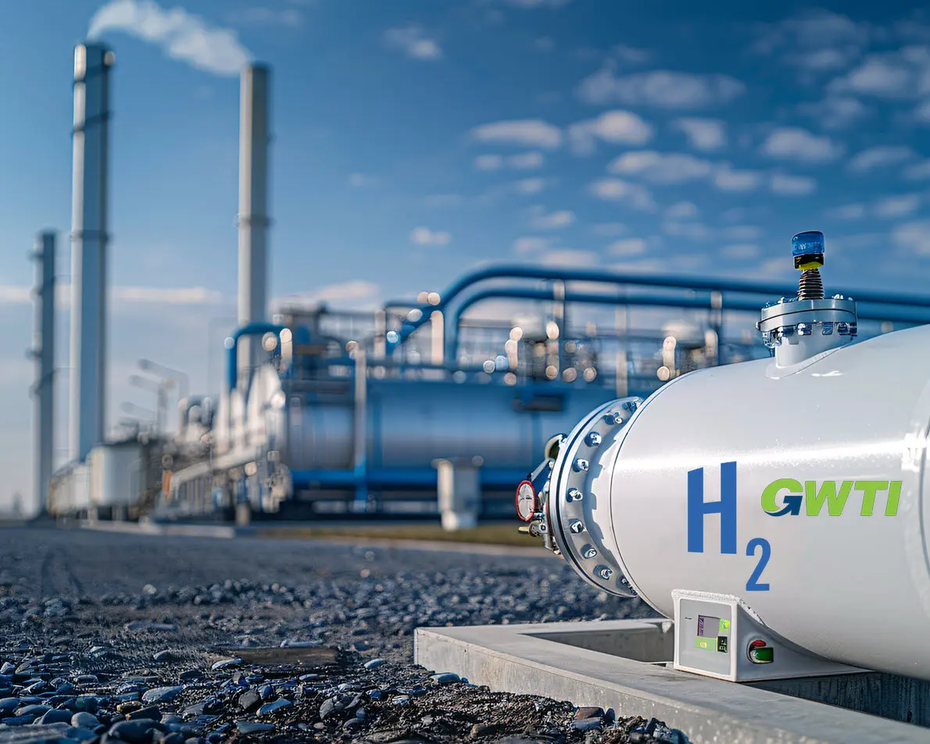
The primary obstacle for green hydrogen has long been an inefficient, energy-intensive production process, leading the International Renewable Energy Agency to caution against its indiscriminate adoption. However, a surge in funding following recent regional conflicts has catalyzed a wave of scientific innovation aimed at slashing costs and improving output.
At Oregon State University, researchers recently pioneered a method for deriving hydrogen from water using only sunlight and sulfur-based chemistry. This approach, known as photocatalysis, effectively bypasses the need for electricity-driven water splitting. Meanwhile, MIT engineers have successfully developed an electrochemical process to extract high-purity hydrogen from ammonia at significantly lower temperatures than traditional methods. Even more cost-effective potential lies in Chinese research, which utilized agricultural waste sugars to drop production costs to $1.54 per kilogram, reaching parity with natural gas.
Beyond synthetic production, the industry is increasingly focused on white hydrogen—geologic deposits trapped within the Earth’s crust. While extraction technology remains in its infancy, the United States Geological Survey estimates that these subterranean reserves could theoretically supply energy equivalent to 170,000 years of current global oil consumption. As these disparate scientific pathways converge, the prospect of a hydrogen-led energy transition is moving from theoretical speculation to a tangible industrial reality.



Comments (0)
No comments yet. Be the first!