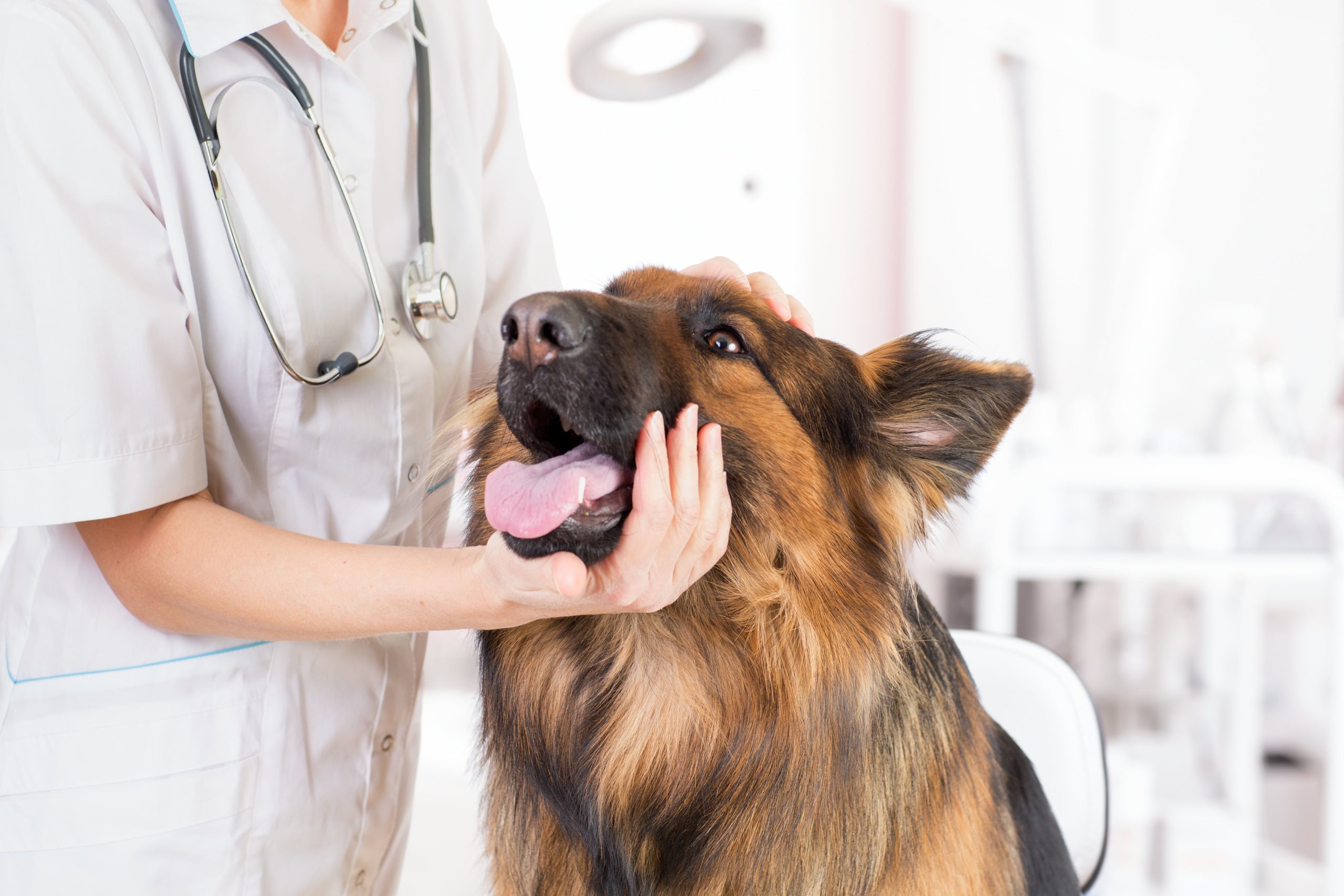
The core of a wellness exam involves a head-to-tail physical evaluation, covering everything from ocular and oral health to joint mobility and cardiovascular function. Beyond physical inspection, veterinarians assess body condition and weight, which often serve as primary indicators of nutritional status or underlying metabolic shifts. These visits also function as the primary checkpoint for vaccination schedules and essential parasite prevention, safeguarding the pet against common regional threats like heartworm, fleas, and ticks.
Diagnostic rigor increases with age or chronic illness, with clinics frequently incorporating blood panels, urinalysis, and fecal screening to identify asymptomatic issues. Frequency remains vital: while puppies and kittens require a rapid succession of visits to track developmental milestones, healthy adults generally thrive on an annual schedule. Senior pets or those managing conditions like diabetes or arthritis require biannual oversight to fine-tune medications and monitor disease progression. By documenting behavioral changes and dietary habits prior to the appointment, owners transform the visit from a brief checkup into a collaborative health management session.



Comments (0)
No comments yet. Be the first!