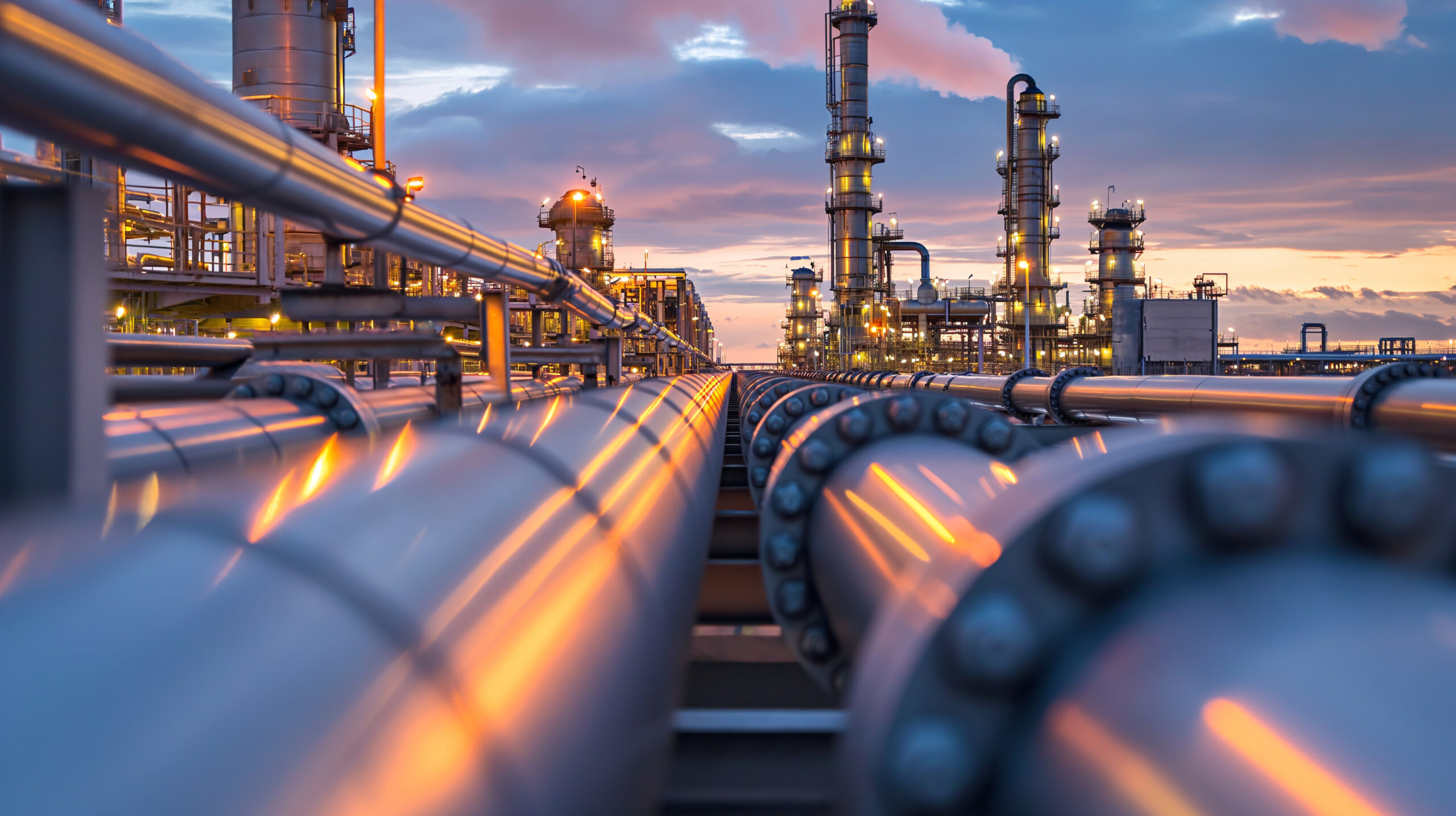
Refining crude oil into finished products like diesel is a rigid chemical process, not an adjustable faucet. A standard 42-gallon barrel typically yields only 11 to 13 gallons of distillate, with the rest split between gasoline, jet fuel, and other derivatives. Modern refineries operate as complex, integrated systems designed for specific product ratios. They cannot simply pivot to produce more diesel when prices spike, especially when utilization is already pushing 96% of total capacity. With little idle equipment available, routine maintenance turnarounds and a slight decline in operable capacity further constrain the ability to respond to market demand.
Global supply shocks exacerbate these domestic limitations. As traditional exporters in the Middle East, Russia, and China grapple with geopolitical conflicts and domestic shortages, the U.S. has become a vital supplier to a desperate global market. Europe, having significantly reduced its own refining footprint over the last fifteen years, now relies heavily on these imports. While some suggest banning diesel exports to lower domestic prices, such moves risk triggering second-order effects, potentially disrupting the delicate economics that keep both gasoline and diesel flowing. Ultimately, the current crisis serves as a reminder that energy security requires more than just high extraction rates; it demands a robust, functioning infrastructure of refineries and storage terminals capable of meeting the nuanced needs of the global economy.



Comments (0)
No comments yet. Be the first!