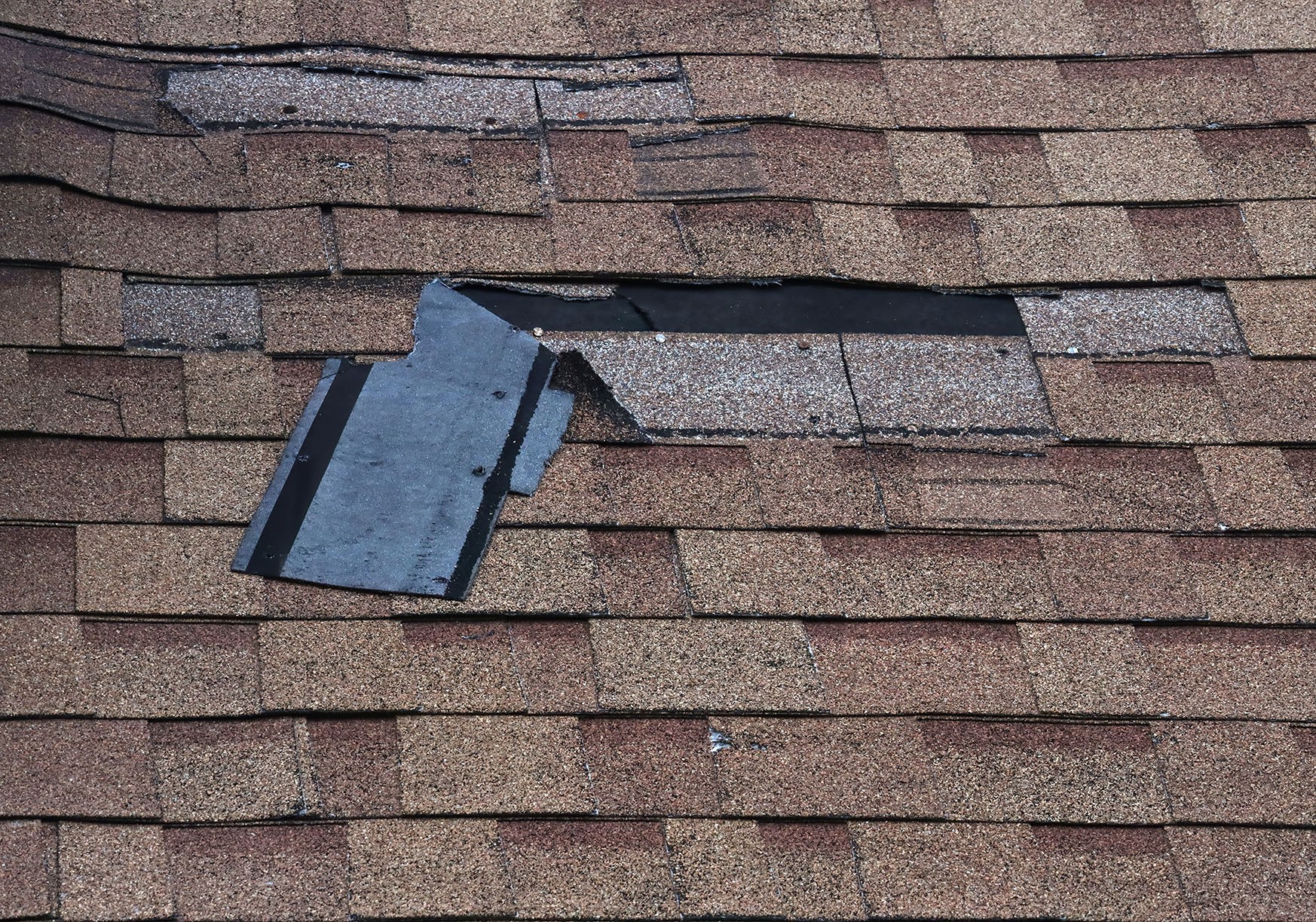
Beyond the calendar age of a roof, the environment exerts significant pressure on shingle integrity. Fluctuating temperatures, high winds, and heavy snow loads accelerate wear, particularly when paired with improper attic ventilation. Tolsma notes that even premium materials struggle to perform if the underlying installation technique is flawed or if moisture is allowed to accumulate beneath the surface.
Homeowners should monitor for specific physical symptoms of aging. Granule loss, curling edges, and surface cracking act as primary indicators that shingles are losing their protective capacity. Furthermore, the presence of moss or streaking often signals trapped moisture that can degrade the roof from the outside in. Interior clues, such as unexplained water stains or musty odors in the attic, frequently serve as the first warning that the exterior barrier has been compromised.
Regular maintenance and professional inspections remain the most effective methods for extending a roof's lifespan. Tolsma recommends annual checkups and post-storm assessments to catch minor damage before it necessitates a full replacement. Maintaining a chronological record of repairs and roof condition photos creates a baseline that allows contractors to identify subtle changes during evaluations, potentially saving homeowners from costly emergency repairs.



Comments (0)
No comments yet. Be the first!