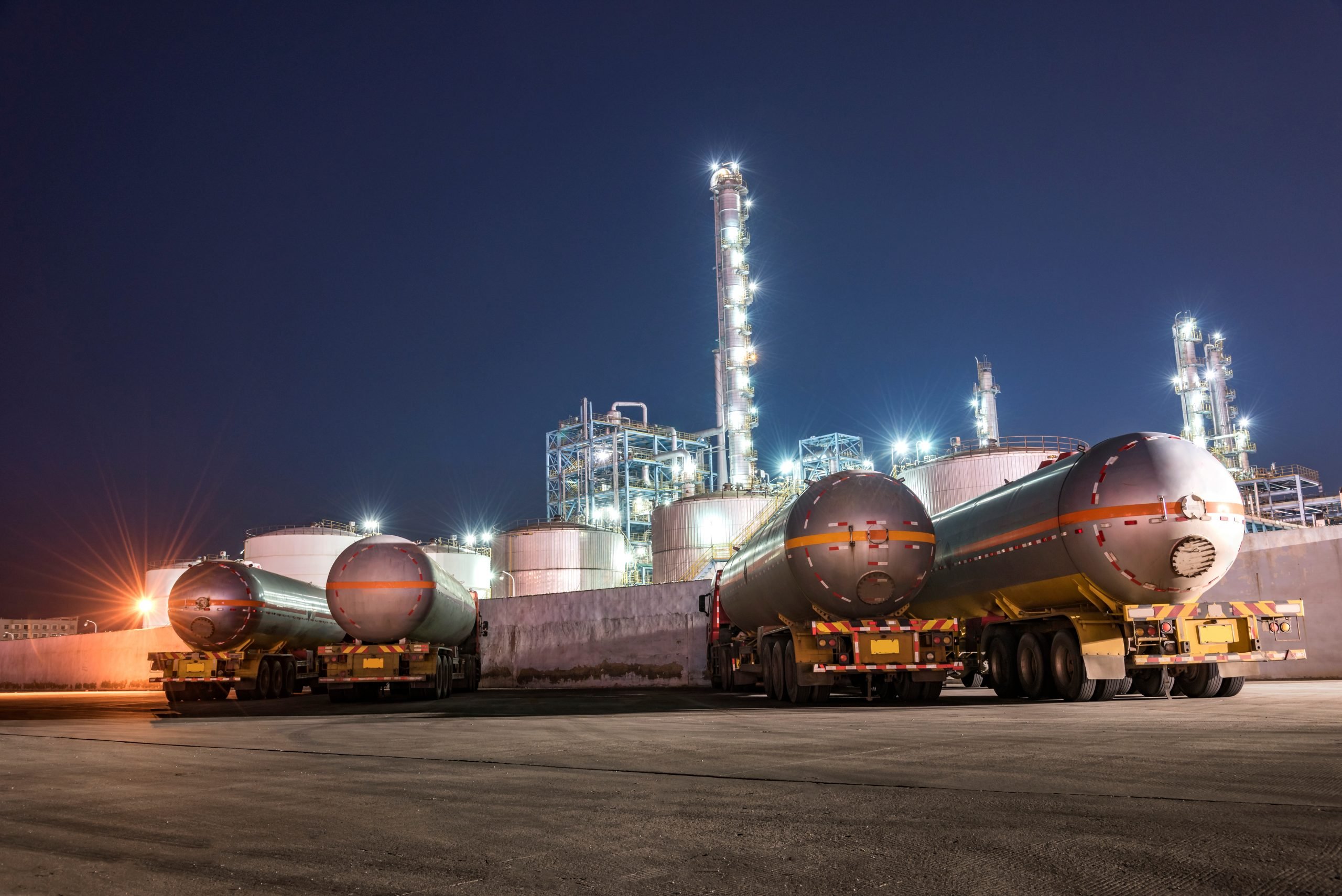
The era of jawboning oil prices lower is over. Six months ago, a single statement from Washington could dampen market fears; today, physical reality dominates. Despite efforts by Gulf states to bypass disruptions through ship-to-ship transfers and pipeline shifts, the logistical strain is becoming unsustainable. Freight rates now constitute nearly a third of total cargo costs, a staggering increase from the pre-war baseline of 5%. Even with the U.S. Navy patrolling the region, the Strait of Hormuz has become a gauntlet. Maritime data confirms a sharp uptick in vessel strikes, with reports noting at least nine attacks in the first week of October alone.
This physical squeeze is compounded by a thinning global safety net. Aramco leadership estimates the world has lost 3 billion barrels of potential supply since hostilities began, leaving commercial reserves at near-minimum levels. Chevron executives warn that each market cycle establishes a higher price floor, reflecting a system that has lost its buffer. The crisis has bled into refined products, specifically diesel, where damage to refinery infrastructure in the Middle East and Russia has kept pump prices at record highs. Attempts to bridge this gap, such as the recent U.S.-Russia diesel agreement, have proven insufficient. The 15 million barrels promised in that deal equate to only half a day of global consumption, underscoring that the market is now driven by terminal supply constraints rather than policy announcements.




Comments (0)
No comments yet. Be the first!