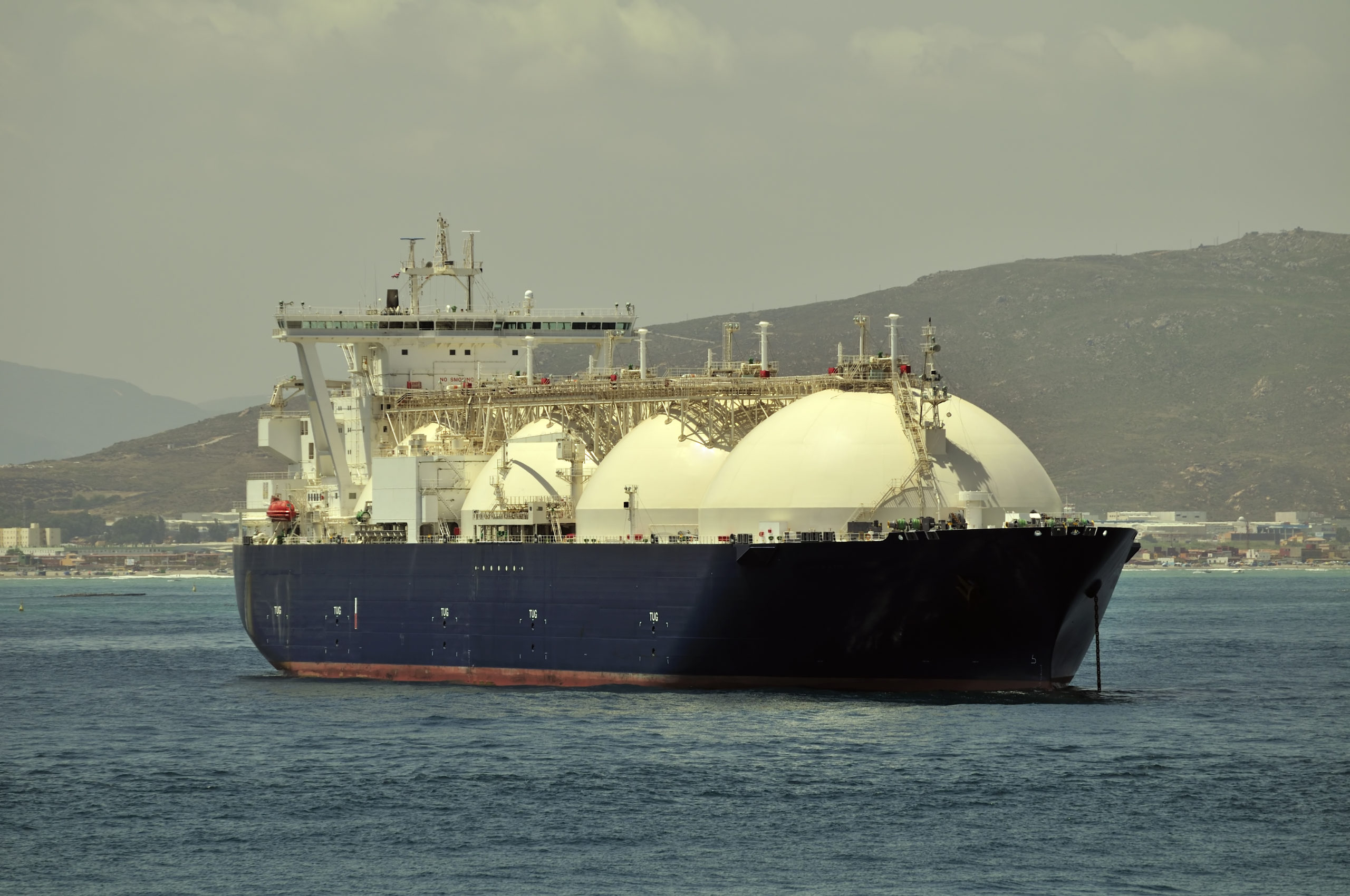
Masood Nabi, CEO of Pakistan LNG Limited, confirmed at the WPC Energy Congress in Riyadh that the bottleneck lies not in global gas availability, but in the transit security of the Middle Eastern corridors. Last year, Qatar supplied 99% of Pakistan's LNG under long-term agreements. However, after Qatar declared force majeure following Iranian strikes on the Ras Laffan hub, those reliable flows became sporadic. While Iran has offered limited security assurances to specific vessels, the unpredictability has decimated the country's reliable energy baseline.
To bridge the deficit, Pakistan must now secure 10 additional spot cargoes between November 2026 and February 2027. These purchases come at double the cost of the original Qatari contracts, ballooning the import bill by over $1 billion. As Asian and European buyers scramble for limited winter stocks, Pakistan faces the dual pressure of soaring spot prices and the necessity of sustaining its power grid. Officials are currently evaluating whether a surge in domestic natural gas production can mitigate the shortfall, though the reliance on imported LNG remains the primary vulnerability in the nation’s energy infrastructure.

Comments (0)
No comments yet. Be the first!