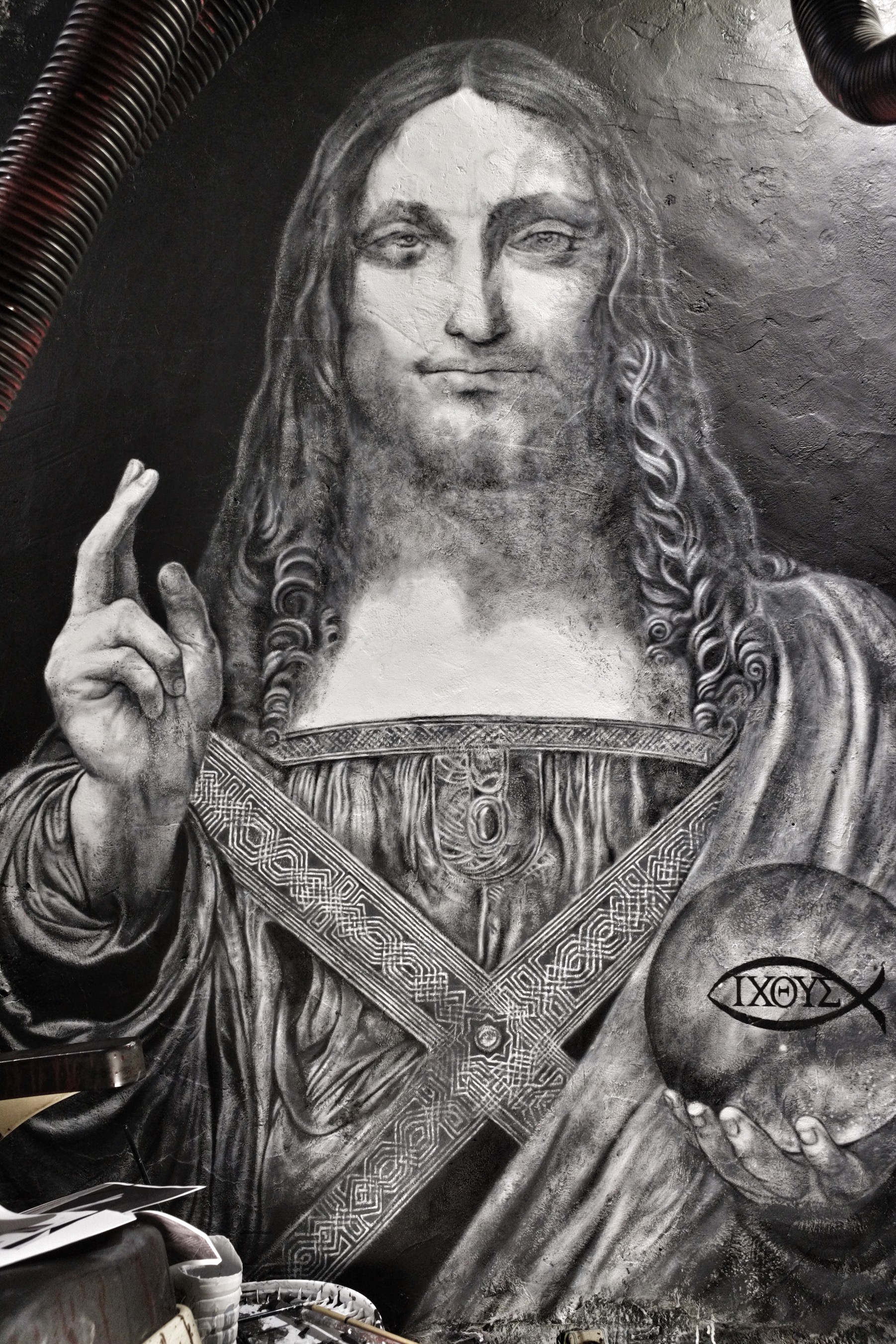
The release arrives during a period of intense scrutiny over the role of generative tools in literature. Following the exclusion of Thélyson Orélien’s work from the Prix Goncourt due to suspicions of AI usage, the publishing world has fractured into competing camps of regulation and resistance. While organizations like the U.S. Authors Guild push for strict human-authored certifications, Ehrmann argues that such measures are rearguard actions that ignore the evolution of creative methodology.
Ehrmann describes the work, which resulted from 450 hours of voice-based dialogue, as a "Raw Typescript" that makes the creative process transparent rather than hiding the machine’s involvement. By subjecting the text to analysis by nine different AI systems, he aims to demonstrate that authorship remains a matter of intellectual responsibility. He asserts that while the machine handles the syntax, the conceptual framework—or cosa mentale—remains the exclusive domain of the human creator. With over 27.9 million reported downloads since its international distribution, the project serves as a radical experiment in whether transparency can resolve the growing anxiety surrounding algorithmic prose.


Comments (0)
No comments yet. Be the first!