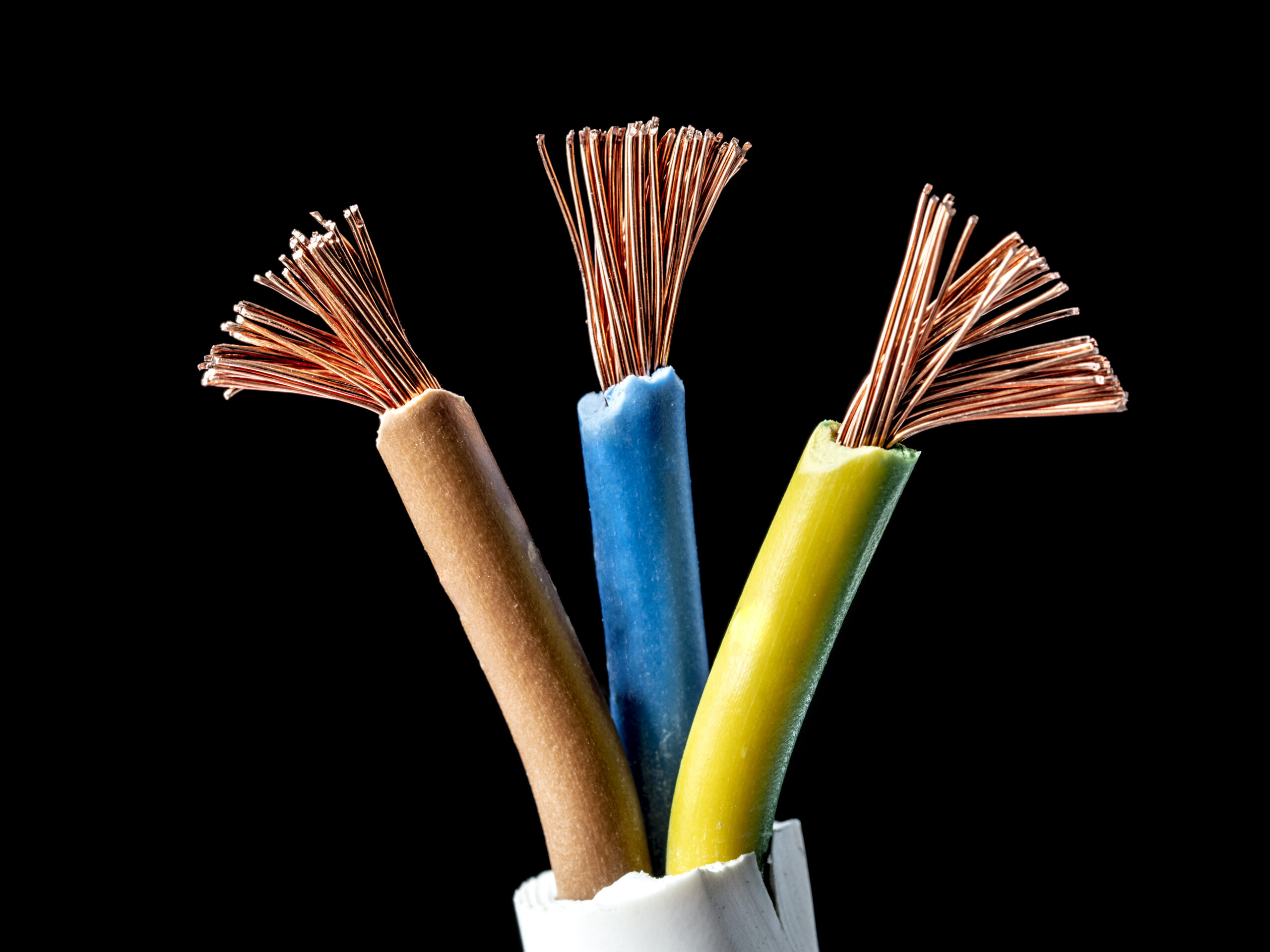
The modern economy relies on copper for everything from renewable energy systems to semiconductor fabrication. However, mining operations are constrained by long permitting lead times and declining ore grades. This creates a persistent volatility that hampers long-term investment. Rather than replacing copper, bimetallic solutions like Copper-Clad Aluminum (CCA) and Copper-Clad Steel (CCS) serve as a mechanism to optimize its distribution, ensuring the metal is utilized where its unique properties provide the highest economic value.
In sectors such as residential and commercial construction, solid copper is often employed in applications where its full mass is not technically required for electrical or mechanical performance. By transitioning these high-volume sectors to bimetallic conductors, the industry can reduce systemic inefficiency. This reallocation stabilizes market signals, allowing mining companies to forecast demand with greater accuracy and reducing the speculative cycles that currently plague the supply chain.
This shift is particularly vital for American technological leadership. High-margin industries—including robotics, medical technology, and advanced computing—depend on a predictable, affordable supply of copper for precision components and thermal management. When copper is diverted from bulk, low-complexity wiring to these high-growth sectors, the entire industrial ecosystem becomes more resilient. Ultimately, bimetals act as a force multiplier, extending the reach of every ton of copper mined and shielding critical infrastructure from the disruptions caused by commodity scarcity.

Comments (0)
No comments yet. Be the first!