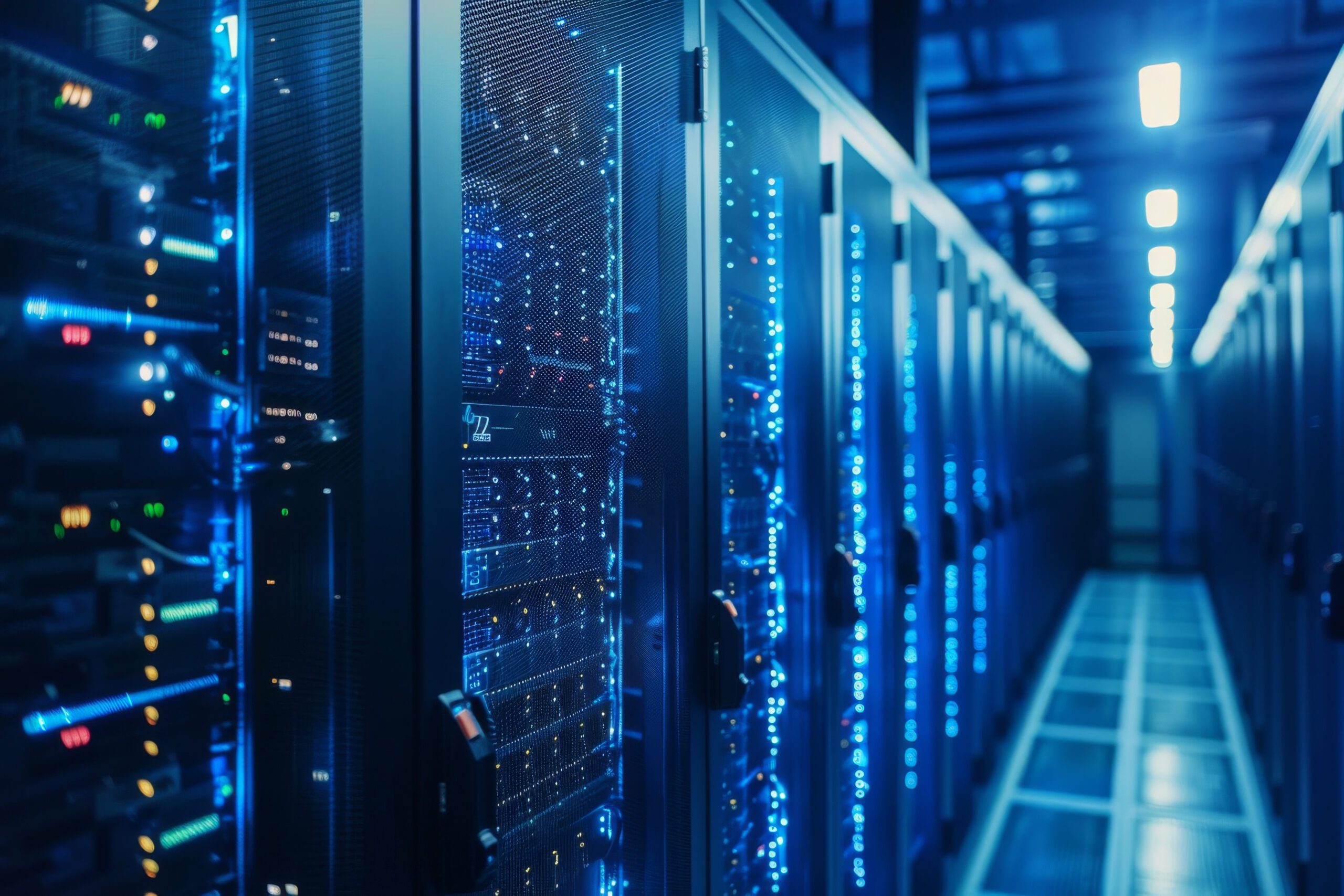
Large data centers often consume 5 million gallons of water every day, a figure that fails to account for the indirect water footprint required to generate their electricity. University of Michigan researchers recently estimated that energy-related water usage could add 14 billion gallons to the footprint of just three planned projects. To combat this, the UT Austin team evaluated desalination methods to render oilfield wastewater safe for cooling systems.
Reverse osmosis emerged as the most efficient treatment, though it struggles with high salinity levels. In such cases, thermal vaporization offers a reliable alternative. Vaibhav Bahadur, a professor at the Cockrell School of Engineering, notes that this approach avoids reliance on speculative future tech. The cost of treating this water represents only a fraction of a data center’s total energy budget, making it an economically viable path forward.
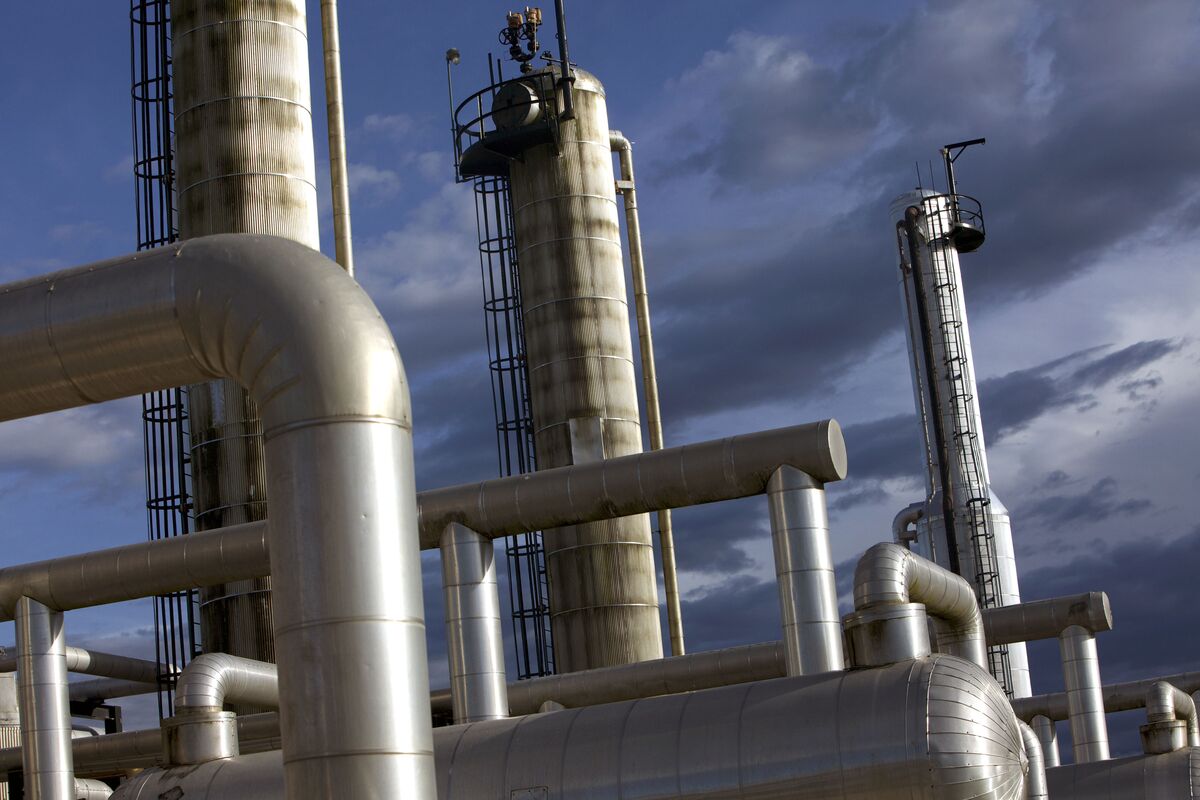
Beyond cooling, the strategy addresses a mounting crisis for the fossil fuel industry. The Permian Basin currently disposes of its massive wastewater output through underground injection, a practice linked to seismic activity and limited by storage capacity that could hit its ceiling by 2030. Redirecting this flow to the tech sector turns a hazardous waste problem into a sustainable utility.



Comments (0)
No comments yet. Be the first!