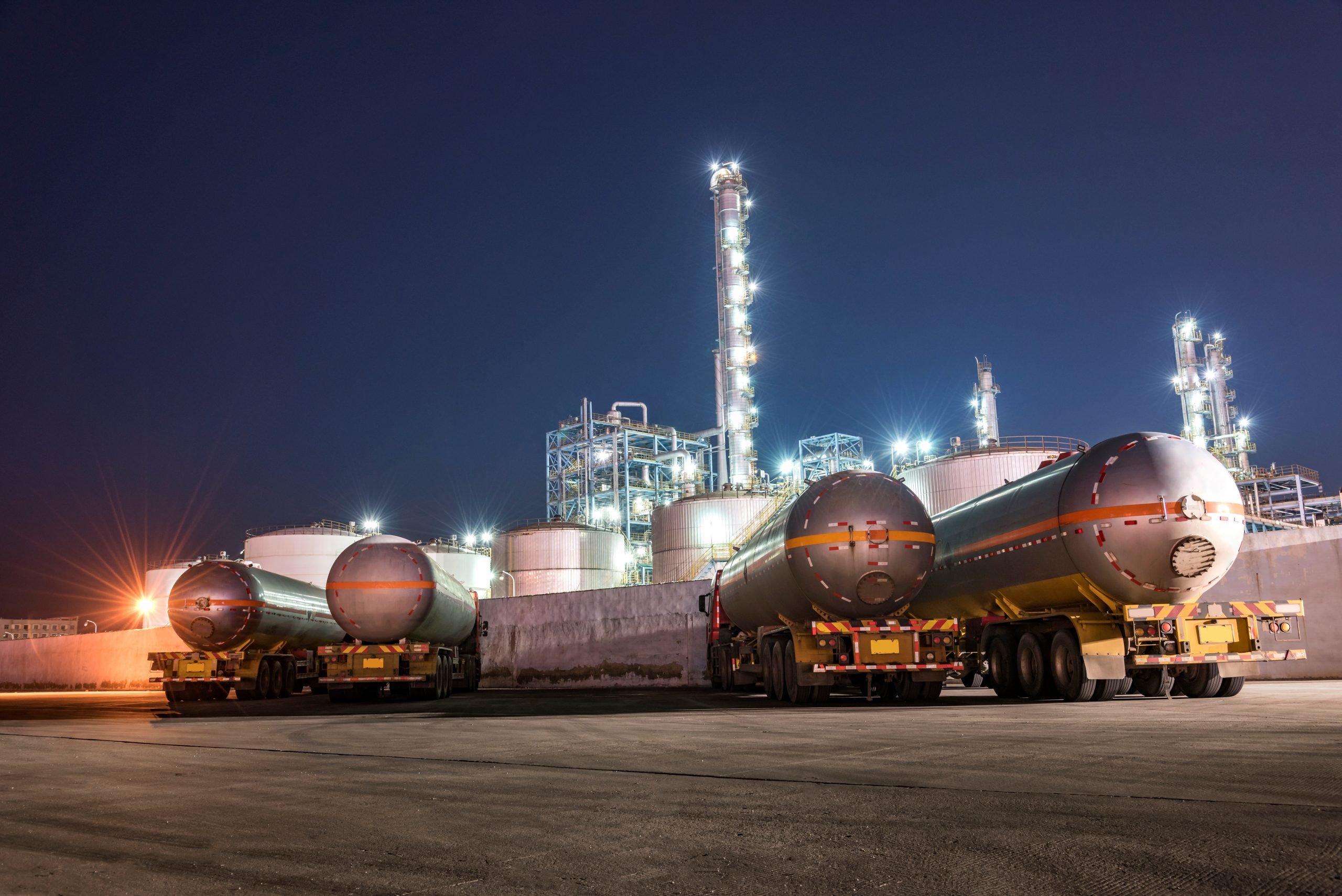
The crisis is most acute in the Middle East, where conflict-driven freight surges have fundamentally altered export economics. VLCC rates from the Gulf to China hit $33 per barrel by late September, pushing landed costs to $140 for Chinese refiners and $145 for South Korean and Japanese buyers. Saudi Aramco has responded by setting its November Arab Light OSP at a $5 discount to Oman/Dubai benchmarks, effectively subsidizing the $10–15 per barrel cost of navigating the Strait of Hormuz. Despite these efforts, spot sales remain volatile as buyers demand prices below $130 per barrel, leaving producers exposed to unpredictable freight bills.
Logistical hazards are exacerbating these pricing pressures. Beyond base freight, demurrage rates have climbed to $1 million per day due to regional instability, while war-risk premiums now add roughly $4–5 per barrel to the price of a typical VLCC cargo. Consequently, Asian refiners are prioritizing supply chain reliability over traditional arbitrage. India is emerging as a critical destination for West African and Latin American crude, as these routes avoid the congested and high-risk waterways of the Red Sea and the Gulf. Meanwhile, Chinese state-owned firms are moving to lock in short-haul supplies like Russian ESPO, effectively abandoning long-term contracts in favor of spot purchases that offer greater control over delivery windows. As freight costs remain high, the global oil market is shifting toward a model where delivery certainty and lower transport overheads define competitive advantage.


Comments (0)
No comments yet. Be the first!