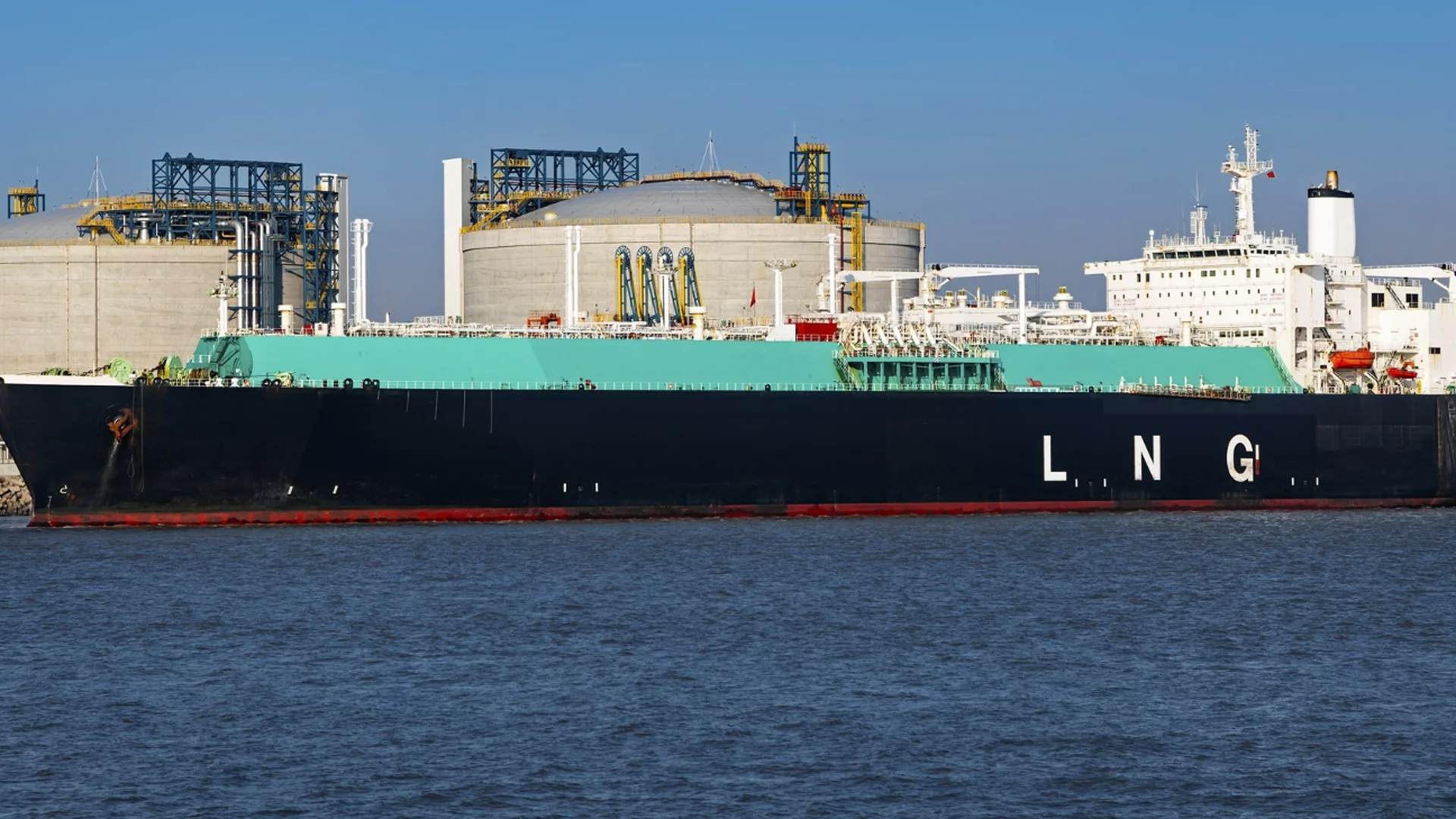
The vessel, which loaded its cargo at Qatar’s Ras Laffan facility in August, is attempting to restore a vital supply link that has been severely disrupted since the onset of regional conflict. While QatarEnergy maintains term contracts with European buyers, the company has been forced to issue repeated declarations of force majeure since March, following damage to its liquefaction infrastructure and recurring security threats at the Strait of Hormuz.
Energy flows remain precarious, with current LNG traffic through key chokepoints hovering more than 75% below pre-war levels. With European storage sites currently at 74% capacity—significantly trailing the 86% average observed over the past five years—the pressure to secure reliable shipments has intensified. Despite the risks posed by navigating the Bab el-Mandeb Strait, the decision to utilize the Suez route underscores the urgency of the supply deficit currently weighing on the European market.

Comments (0)
No comments yet. Be the first!