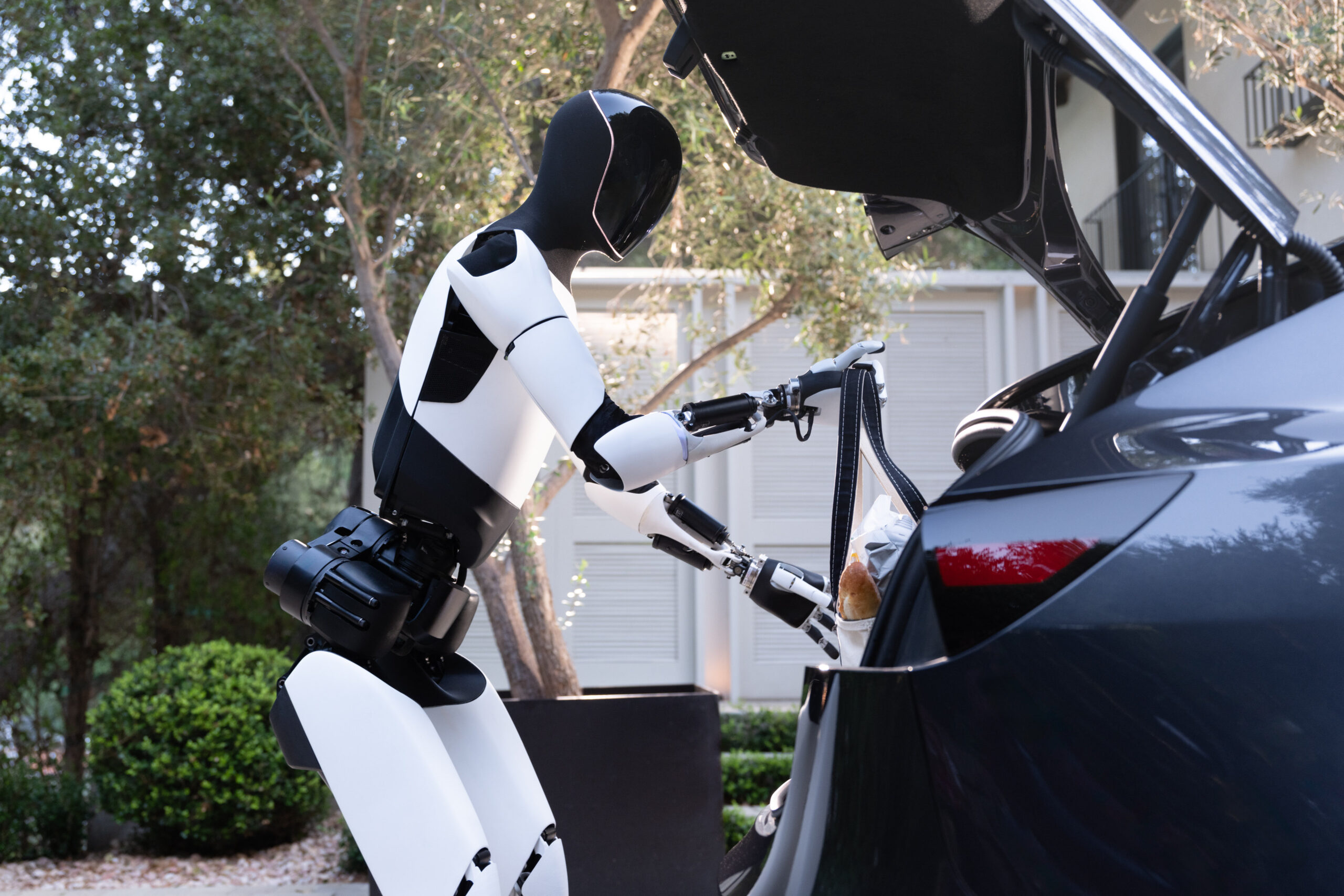
The dependency on Chinese materials is deep-rooted, as every humanoid robot requires roughly 30 motors, each reliant on rare earth magnets to function. These components frequently necessitate dysprosium and terbium to withstand high operating temperatures, both of which fall under strict Chinese export controls. While companies like Tesla are attempting to build internal supply chains from scratch to mitigate these risks, the sheer scale of the projected market—estimated at 6.5 million units annually by 2035—poses a significant challenge for any firm lacking a secure, non-Chinese source.
REalloys (NASDAQ: ALOY) is positioning itself to fill this gap by establishing an independent supply chain that spans from Saskatchewan to Ohio. By securing rights to rare earth outputs from the Saskatchewan Research Council and maintaining metal-processing operations in the United States, the company aims to provide a domestic alternative to the current reliance on Asian markets. This move mirrors broader industry trends, including Apple's investment in U.S.-based magnet production, as manufacturers increasingly recognize that securing critical components is as essential to their survival as the robotics technology itself.



Comments (0)
No comments yet. Be the first!