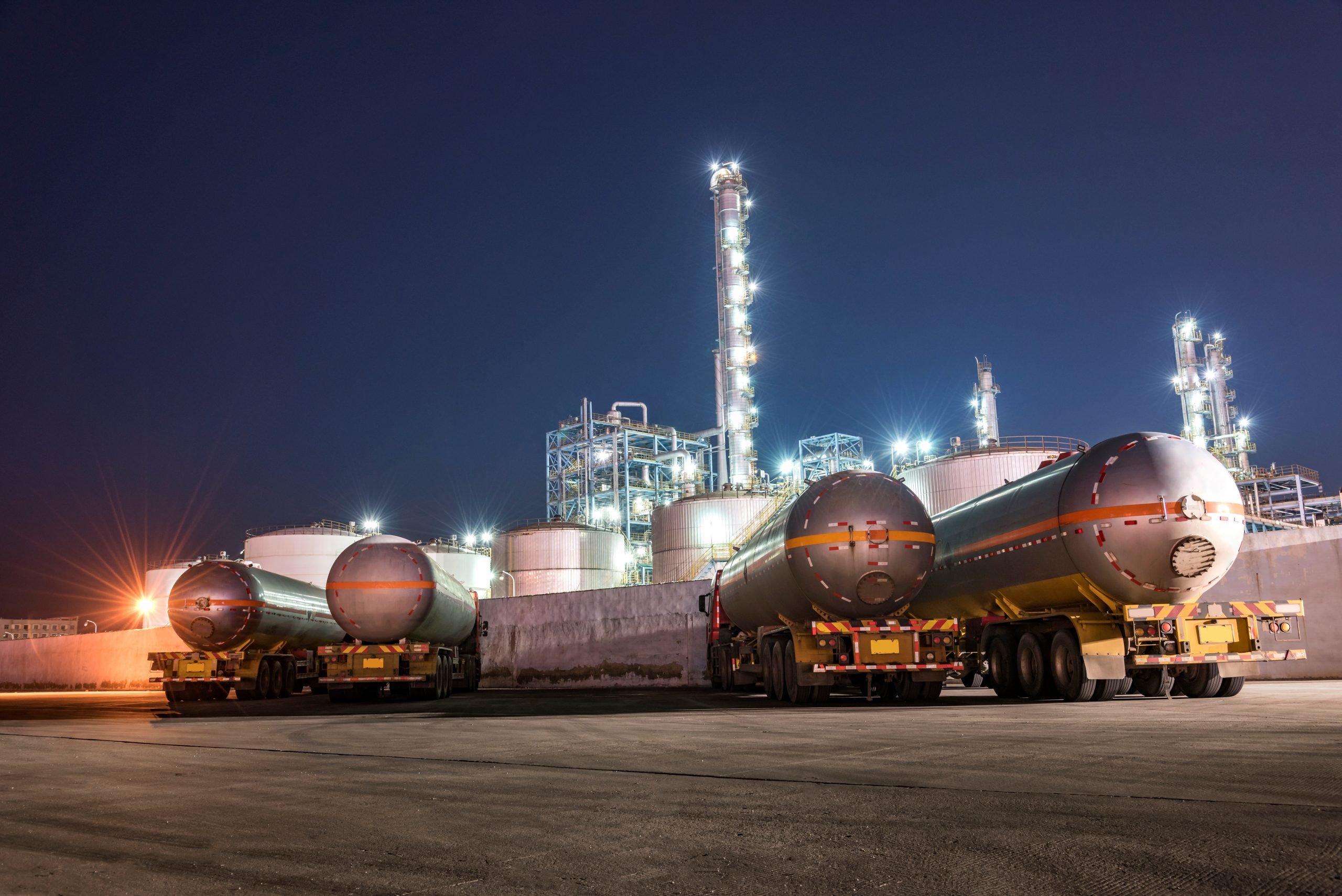
The logistical bottleneck stems from the Middle East, where attempts to navigate the Strait of Hormuz and frequent ship-to-ship transfers in the Gulf of Oman have tied up roughly 80 Very Large Crude Carriers (VLCCs). These vessels now spend an average of 23 days on round trips, more than double the standard duration. Consequently, the global tanker market is suffering a severe vessel shortage, forcing ships away from U.S. routes to chase more lucrative, albeit risky, trade in the Persian Gulf.
Randy Hawkins, vice president of international crude oil supply and trading at Valero Energy, noted that moving a VLCC from the Gulf Coast to Asia now costs between $30 and $35 per barrel, compared to a historical average of $5. This disparity is forcing a massive shift in global trade. Asian buyers are increasingly favoring regional supply, while European refiners are turning to local barrels to avoid the prohibitive transit premiums. As a result, U.S. crude grades are suffering; the premium for WTI at the Midland East Houston hub has collapsed from $3 to just $0.25 per barrel, while the Gulf of Mexico’s Mars crude has seen its premium drop from $17.50 to $6 since March.


Comments (0)
No comments yet. Be the first!