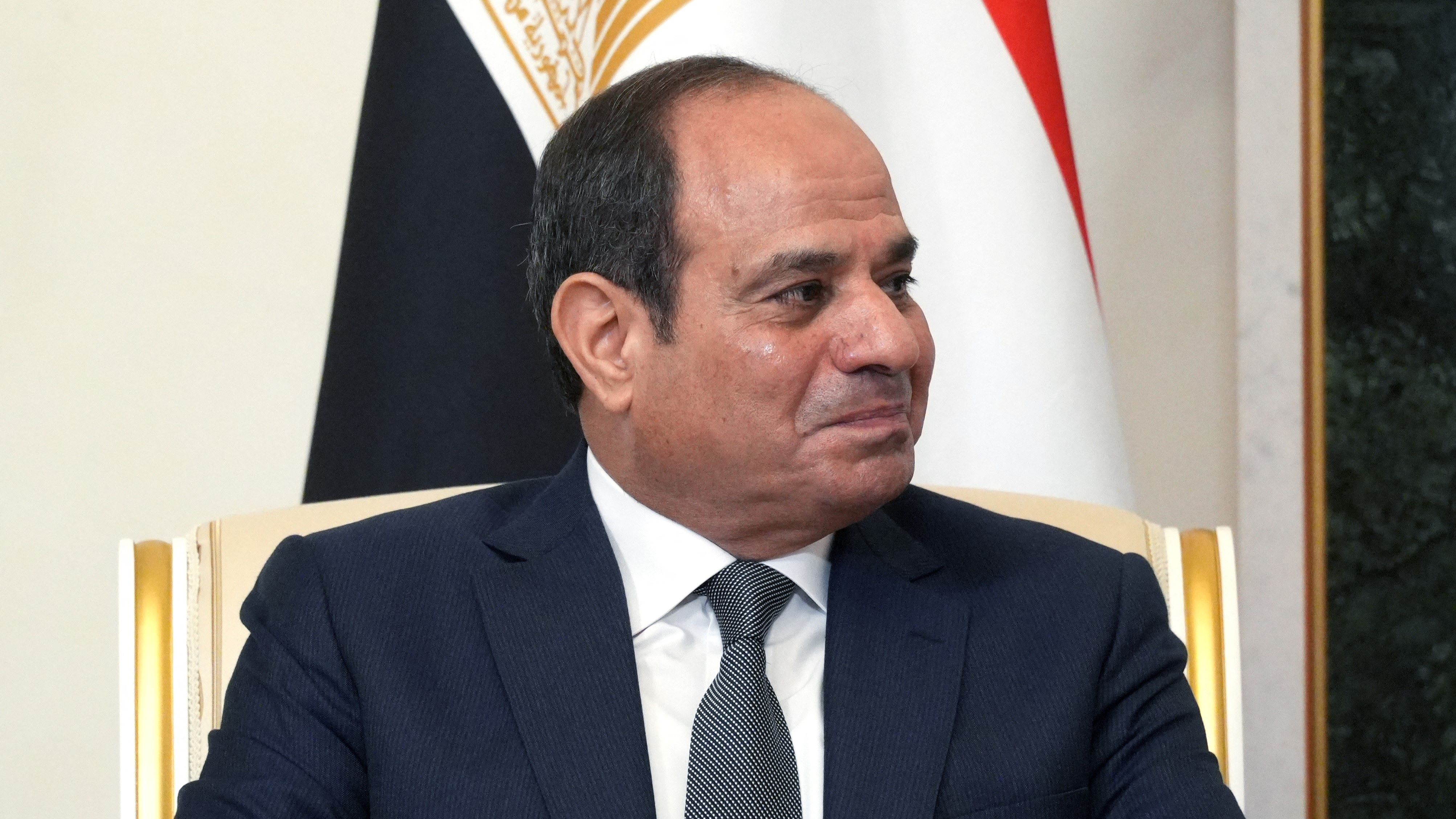
The parliamentary approval follows a blunt threat from Sanaa, where Houthi officials warned that direct involvement would endanger Egypt’s national security. Despite the authorization, Sisi has restricted the scope of potential military engagement to defensive operations within Saudi territory, explicitly ruling out offensive incursions into Yemen.
Energy markets remain on edge as the Houthis assert responsibility for strikes on the 740-mile East-West pipeline. While Saudi authorities have not confirmed damages from Monday’s claims, the facility is critical for bypassing the Strait of Hormuz. Following previous drone attacks on September 10, the pipeline had only recently restored flows to 5.8 million barrels per day. Simultaneously, the Saudi-led coalition reported the destruction of multiple ballistic missile launchers and storage tunnels in Sanaa to curb ongoing aerial threats.
Diplomatic efforts are unfolding in parallel to the military maneuvers. Saudi Defence Minister Prince Khalid bin Salman led a delegation to Tehran on Monday to discuss de-escalation, while Iranian Foreign Minister Abbas Araghchi confirmed that indirect channels with Washington remain active. These high-level talks suggest that even as physical borders are reinforced, both Riyadh and Tehran are exploring potential off-ramps to avoid a broader regional conflict.



Comments (0)
No comments yet. Be the first!