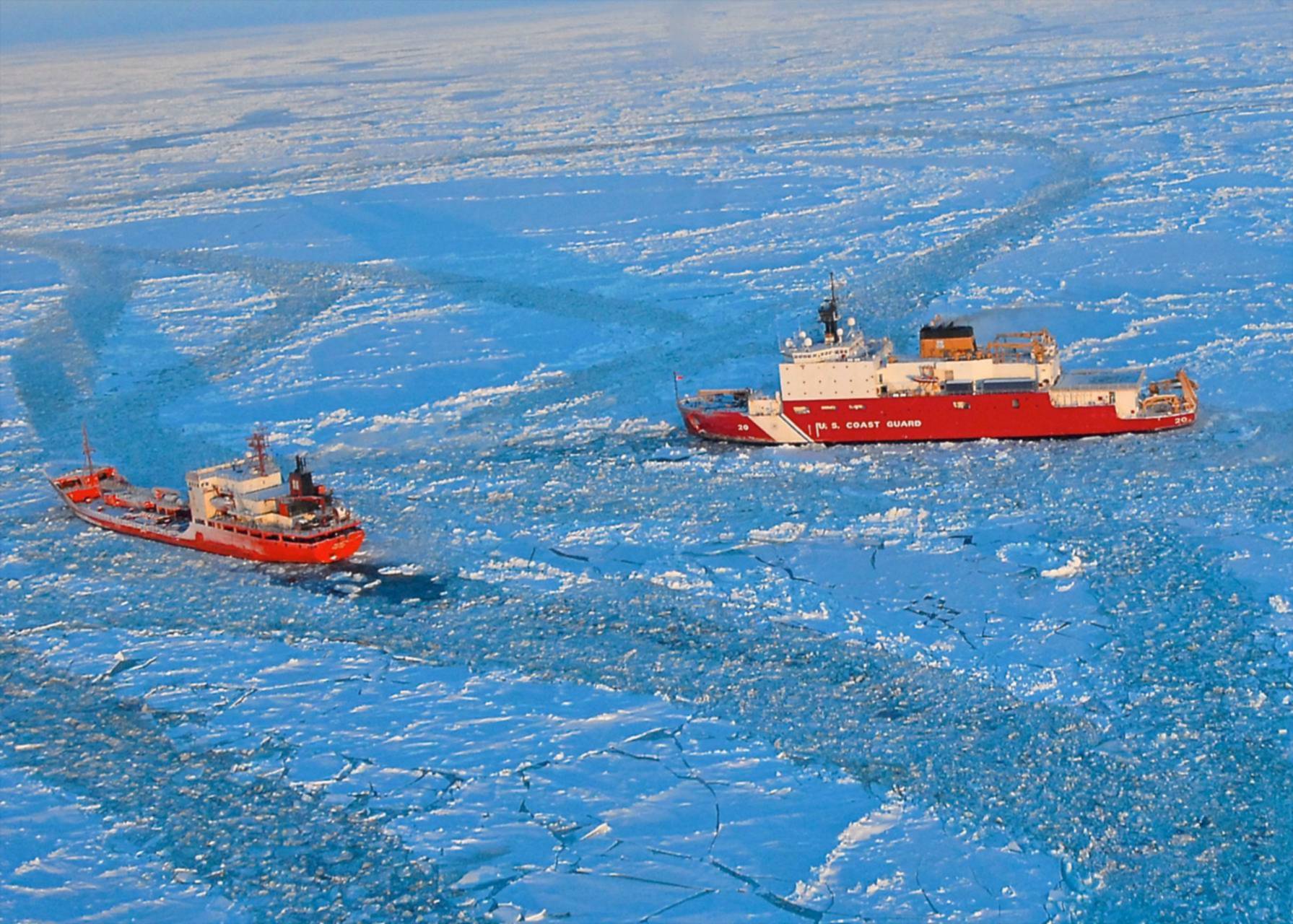
The incident near Bolshevik Island serves as a stark reminder that melting Arctic ice does not guarantee easier transit. In narrow passages, drifting ice packs can easily trap vessels lacking specialized ice-class hulls. Ksenia Vakhrusheva of the environmental group Bellona notes that this volatility remains a persistent challenge for Moscow’s maritime ambitions, which are further complicated by a lack of indigenous ice-capable ships and restricted access to Western repair technology.
While Vladimir Putin recently touted the route as a secure corridor for 37 million tons of cargo, the reality remains more modest. Shipping data indicates that full-length transit volumes represent only about 1 percent of Russia’s total seaborne oil exports. Western sanctions have exacerbated these logistical hurdles, forcing Russia to source spare parts through third parties to maintain its aging shadow fleet. As geopolitical interest grows, the region is transforming into a strategic front line, with the European Union and NATO increasing their surveillance of what Moscow increasingly views as an internal waterway.



Comments (0)
No comments yet. Be the first!