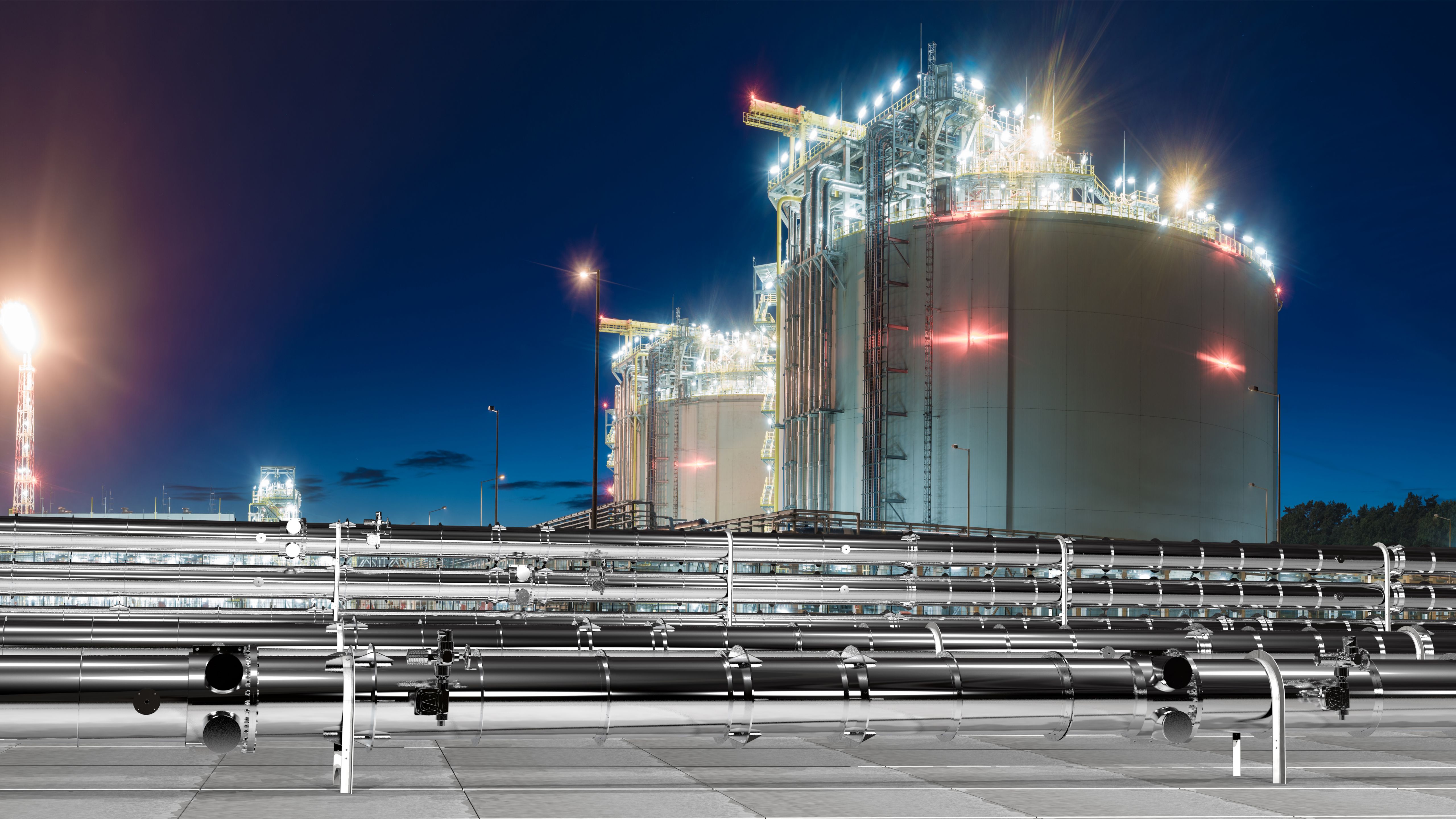
The meteoric rise of U.S. liquefied natural gas was built on a foundation of shale-driven abundance. By 2023, the country had secured its position as the global leader in exports, with the Energy Information Administration projecting capacity to nearly double by 2031. This growth was fueled by structural advantages: massive domestic reserves, sophisticated pipeline networks, and a flexible commercial model that allowed U.S. suppliers to pivot toward Europe following the 2022 invasion of Ukraine.
However, the industry now faces a global supply wave. Qatar is aggressively expanding, Canada has entered the market with the LNG Canada project, and new developments are surfacing across Africa and Australia. While geopolitical turmoil in the Middle East has temporarily tightened markets and masked potential oversupply, these disruptions are not a permanent substitute for steady demand. As new terminals come online, U.S. exporters will find themselves competing with rivals who possess significant geographic advantages, particularly in Asian markets.
Ultimately, the challenge for the next generation of liquefaction projects is economic. While the U.S. has proven it can produce and export gas at scale, profitability depends on high utilization rates of expensive infrastructure. As renewable energy adoption accelerates and price-sensitive emerging economies weigh their options, the industry's primary bottleneck is shifting from infrastructure constraints to market demand. For developers, the era of guaranteed growth is yielding to an era of intense global competition.




Comments (0)
No comments yet. Be the first!