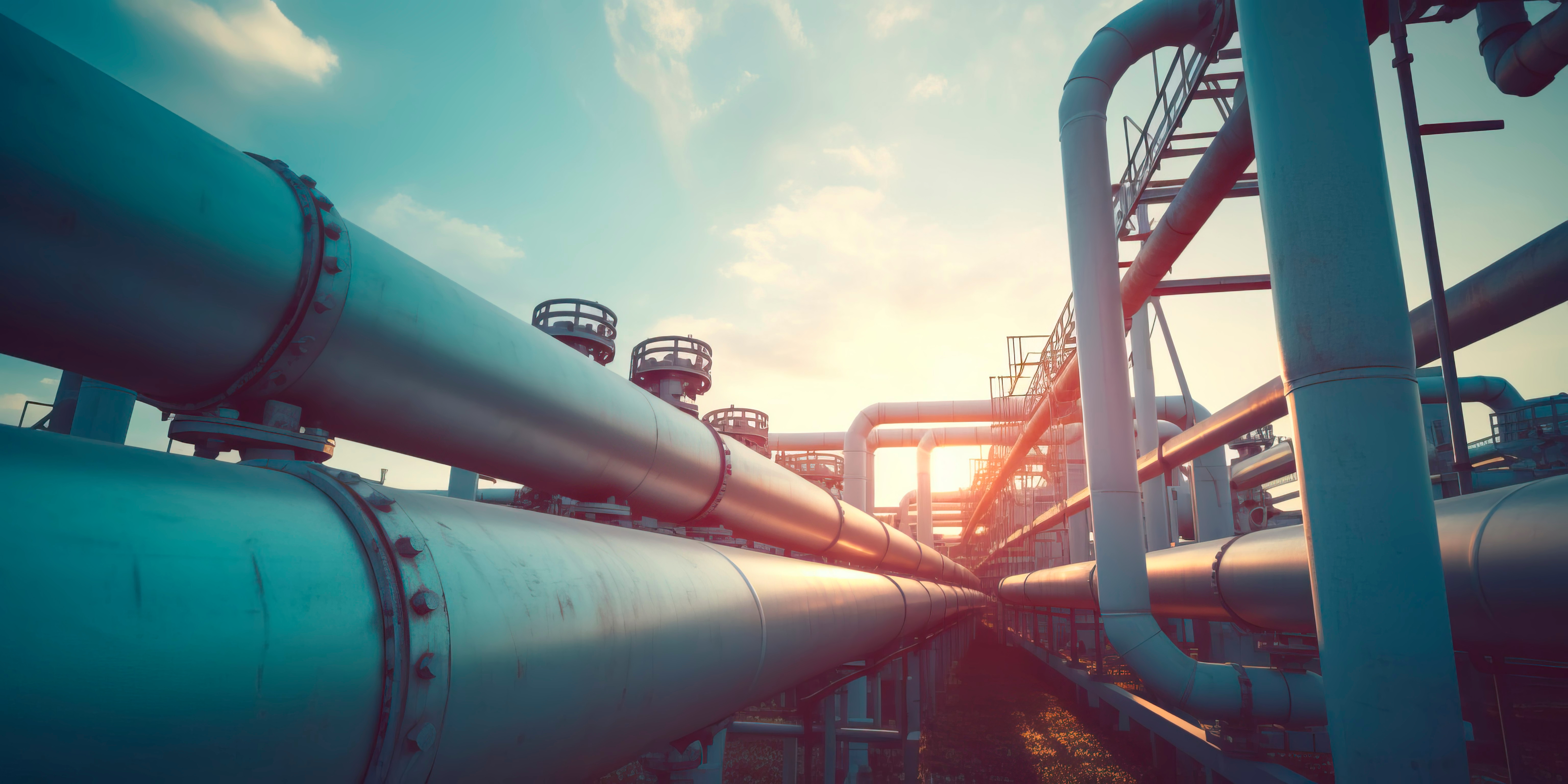
Since the onset of the conflict in Iran in March 2026, the Strait of Hormuz has become a primary bottleneck for Gulf producers. Iraq’s reliance on the Kirkuk-Ceyhan pipeline has intensified following its reopening in September 2025. According to a North Oil Company source, the current flow includes 200,000 barrels per day of southern Basrah crude, which is transported by tanker to collection stations at Sarallu and Khurmala before being pumped northward.
This shift underscores a broader recovery effort. Iraqi production plummeted by 70% during the initial weeks of the regional war, dropping from 4.3 million barrels per day to 1.3 million. While output has since stabilized—reaching 3.4 million barrels per day in October according to Oil Minister Bassem Mohammed Khudair—the vulnerability of maritime corridors remains a critical concern. Looking ahead, the government is exploring a long-term project to revive a pipeline to the Syrian Mediterranean coast, though officials estimate that infrastructure remains three to four years from completion.


Comments (0)
No comments yet. Be the first!