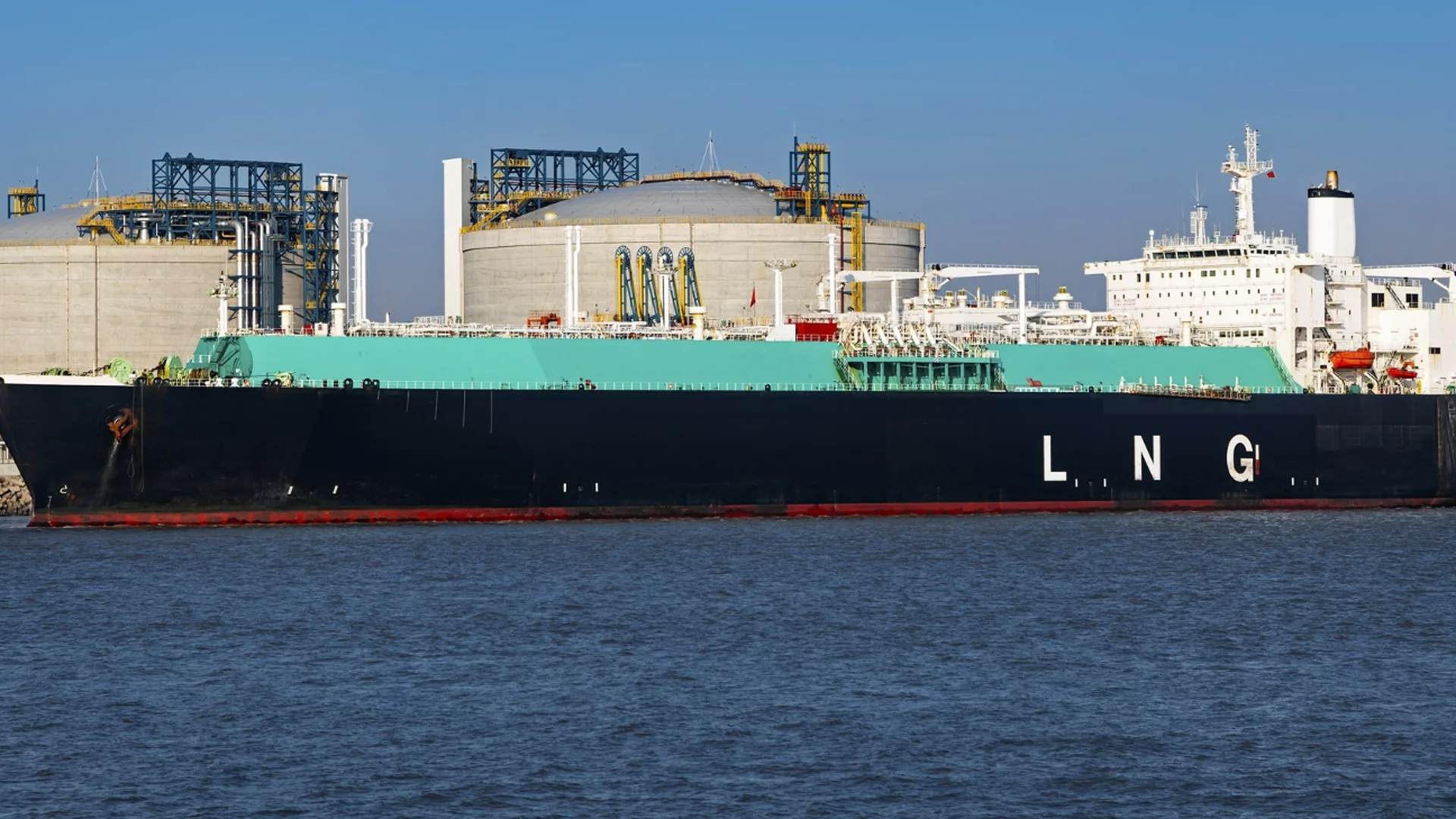
Domestic gas production has cratered, dropping to 3.63 billion cubic feet per day in August as aging fields decline faster than new projects can compensate. This output deficit, which began in late 2021, reached a critical threshold in July when the country imported more gas than it produced for the first time on record. Despite a $10.1 billion budget allocated for LNG imports for the fiscal year, the government had already burned through $5.8 billion by early October, prompting the state-owned EGPC to pivot toward purchasing high-sulfur fuel oil to stabilize the supply chain.
Petroleum Minister Karim Badawi is currently balancing immediate survival measures with long-term exploration efforts. While major players like Chevron and Eni continue to explore Mediterranean blocks, the immediate reality remains stark. Egypt has pushed back the deadline for 14 new exploration bids to December 14 following requests for more time from industry partners. To mitigate future reliance on volatile global markets, the government has accelerated its renewable energy targets to 2028, aiming to offset gas import costs by roughly $250 million for every gigawatt of new solar, wind, or nuclear capacity brought online.



Comments (0)
No comments yet. Be the first!