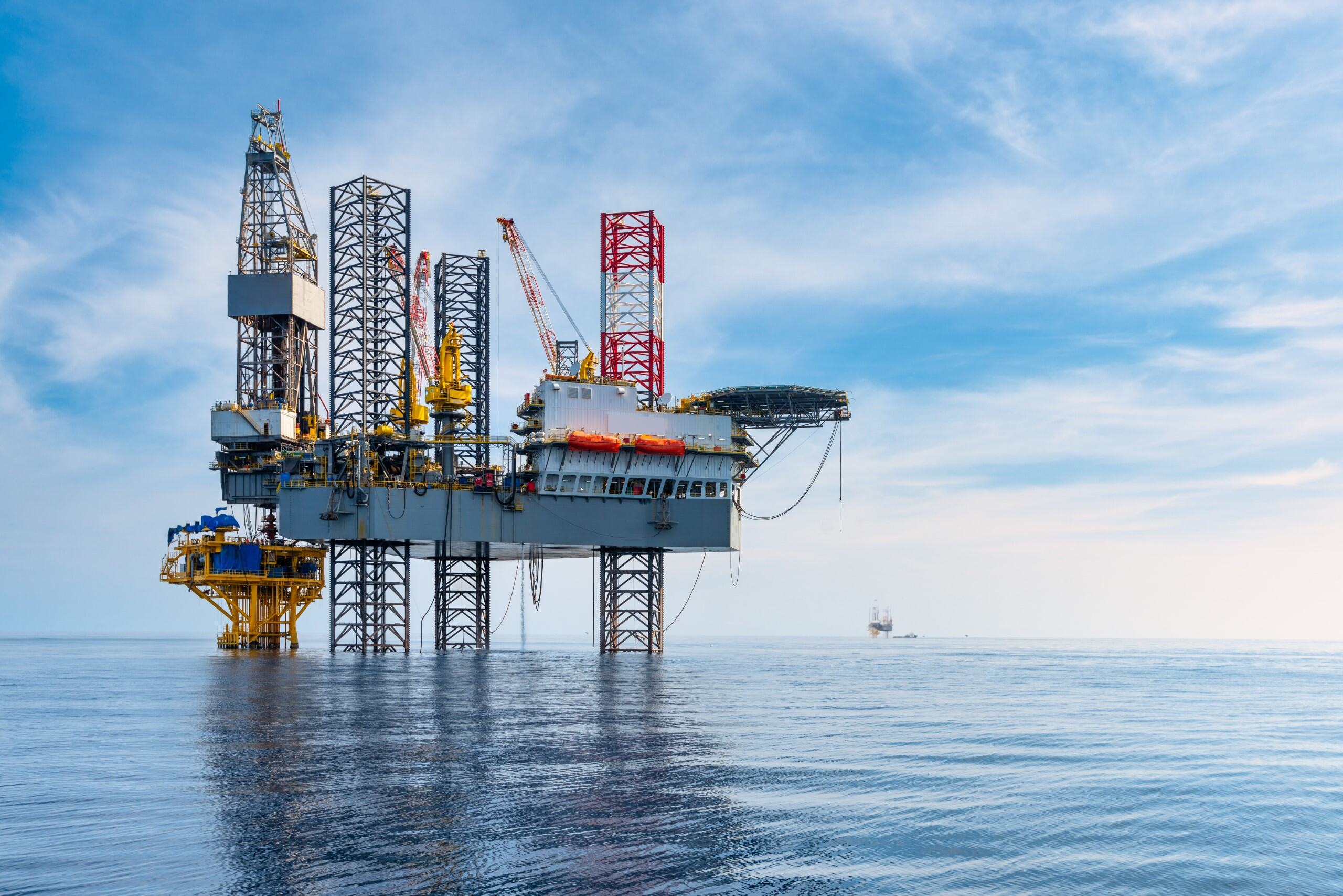
Reuters reported that OpenAI, the company behind ChatGPT, agreed to deploy advanced AI capabilities across ADNOC’s operations. The deal marks another step in the firm’s expanding ties with the United Arab Emirates. At ADIPEC, tech companies were also pitching customized AI tools for drilling rigs, refineries and other oil assets, according to Semafor.
The relationship runs in both directions. As data-center plans outpace grid capacity, companies are seeking new sources of electricity. The source article says legislation under the Trump administration has pushed technology firms to provide their own power, and that the response has included large natural gas commitments alongside research into potential alternatives such as nuclear fusion and space-based solar power.
Amazon is constructing a gas-fired plant in Texas as part of a plan involving seven natural gas plants. If completed as planned, the project would be the largest source of power-related emissions in the United States, the article says. In August, Nvidia announced a partnership with Japan’s SoftBank and the U.S. federal government to build what the article describes as the country’s largest fossil-fuel plant, intended to power an OpenAI project in Ohio. Microsoft has also signed a 20-year agreement with Chevron for 2.67 gigawatts of natural-gas-fired power for a proposed data center in West Texas.
AI advocates say efficiency gains could ultimately outweigh the energy AI consumes. But a paper in NPJ Climate Action found that if AI produces any economic gains for fossil fuels, the resulting emissions would exceed emissions avoided. Even if fossil fuels and renewables benefit equally, the paper estimates global CO2 emissions would rise by 0.47 billion to 1.8 billion tons annually. Co-author Holly Alpine told the Wall Street Journal the lower estimate is roughly equivalent to Mexico’s annual emissions.



Comments (0)
No comments yet. Be the first!