A special IEA report, requested by Turkey and Australia ahead of the summit, found that electricity could cost-effectively meet 33% of global final energy consumption by 2035, compared with 23% today. That estimate uses technologies available now and energy prices at levels seen before the current supply shock, putting the proposed 35% target within what the agency called “striking distance.”
Current energy prices could make electrifying an even larger share of consumption cost-effective, the IEA said, citing the crisis around the Strait of Hormuz. The agency said faster adoption in response to soaring fuel costs could reduce fuel-importing countries’ combined energy bills by more than $400 billion by 2035, compared with 2025.
By that year, accelerated electrification could also mean the world uses 18 million fewer barrels of oil per day than it otherwise would, the IEA said. It attributed most of the projected reduction to a rapid uptake of electric vehicles.
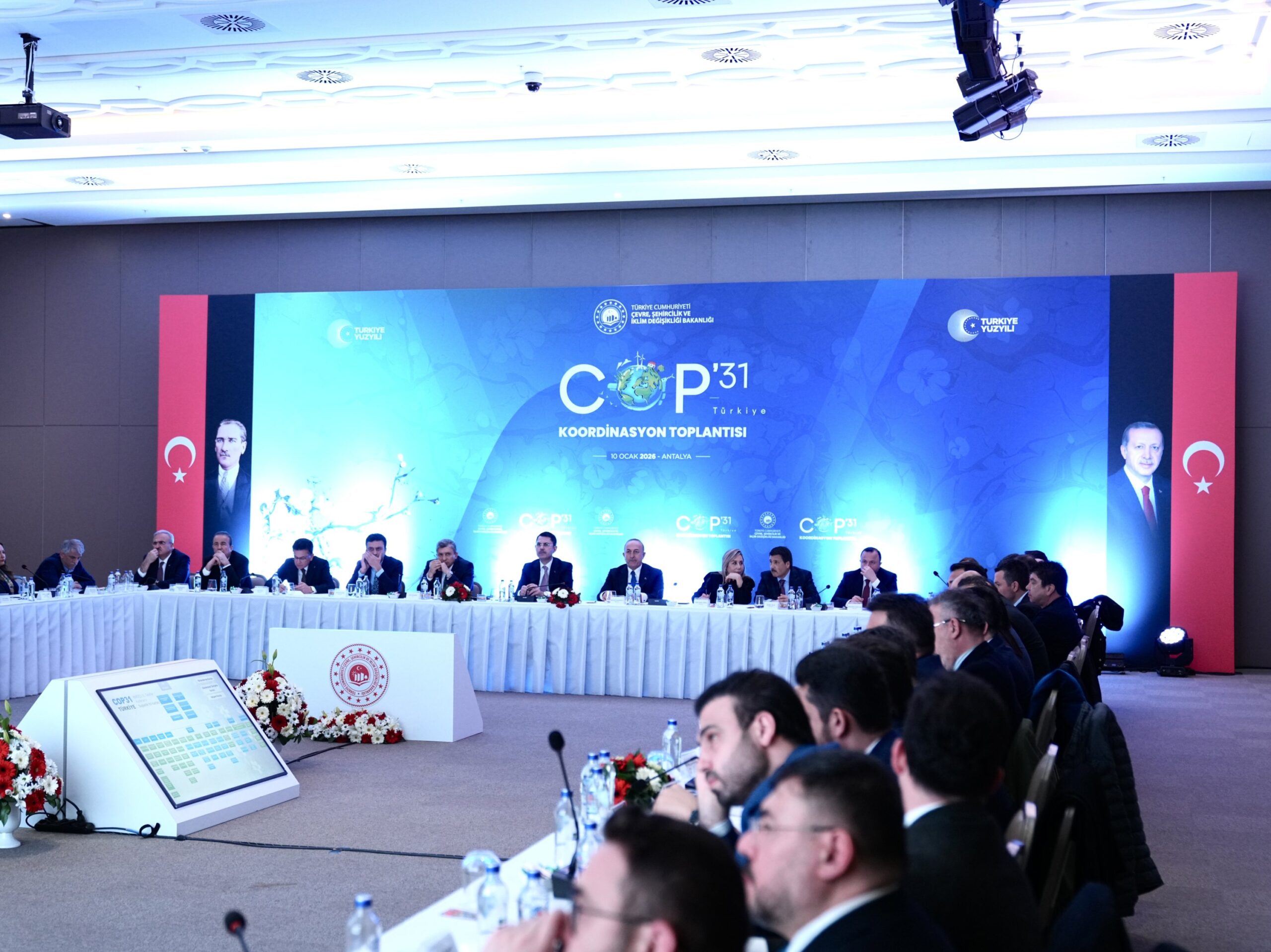
The agency’s analysis is informing the COP31 Presidency’s work on electrification, zero waste and methane, energy efficiency and resilient cities, and energy access and clean cooking. The IEA said Türkiye’s presidency is emphasizing these areas alongside the 35-by-35 electrification ambition.
Comments (0)
No comments yet. Be the first!