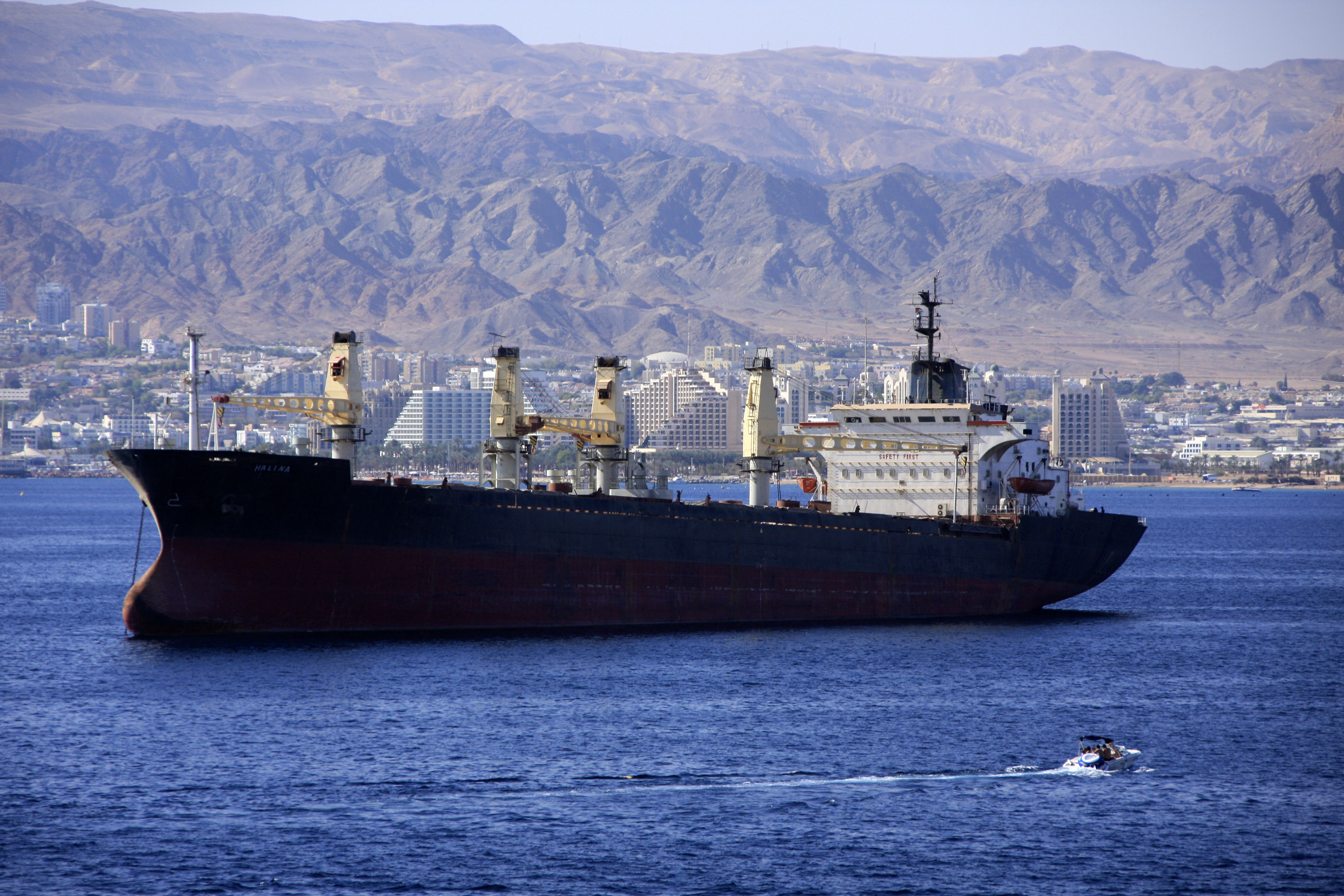
Sudan lies beside a commercial waterway that carries 12–15% of international maritime trade and nearly 30% of global container traffic. Prolonged instability could put shipping routes and regional security at risk, while creating space for extremist groups, criminal networks or foreign powers to gain a foothold near U.S. allies Egypt, Israel, Jordan and Saudi Arabia.
Iran and Sudan restored diplomatic ties in 2024, after severing them in 2016. Sudan had joined the Abraham Accords in 2021, but normalization with Israel stalled during the war. Durso says Iran’s relationship with Khartoum includes military cooperation and the supply of battle-tested drones to the Sudanese Armed Forces. He also warns that fragmented authority and external military support could prolong the fighting and widen its effects across borders.
The article links the humanitarian emergency to regional security, citing famine, displacement, disrupted aid supplies and destroyed civilian infrastructure. It argues that U.S. support for expanded humanitarian access should be paired with diplomacy aimed at a durable ceasefire and restored national institutions. Sudan’s gold, uranium, chromium and agricultural potential also offer possible economic opportunities, Durso writes, but only with transparent resource governance and a legitimate government.
Durso calls for an inclusive, civilian-led transition rather than a settlement that divides power between the Sudanese Armed Forces and the Rapid Support Forces, a paramilitary group primarily supported by the United Arab Emirates. He points to a June 2026 joint statement by the United States and international partners that reaffirmed Sudan’s sovereignty, rejected a military solution and called for a civilian-led process. He also cites the proposed Sudan IMPACT Act, which would link assistance for agricultural and mining development to measurable gains in civilian protection, political stability and resource governance.



Comments (0)
No comments yet. Be the first!