Iraq produced 4.22 million barrels per day (bpd) of crude in October, including 3.95 million bpd in the federal south and 265,000 bpd in the Kurdistan Regional Government (KRG) region. Exports rose 9.5% from the previous month, averaging 3.35 million to 3.5 million bpd. Those figures obscure damage caused by the Strait of Hormuz closure on 28 February, which cut off Iraq’s main export route and contributed to an 80% fall in production as storage filled and wells were shut in.
A senior source who works closely with Iraq’s Oil Ministry told OilPrice.com that prolonged shutdowns had reduced capacity at some fields and may have permanently damaged others. The government’s push to raise production to offset lost revenue, the source said, makes declines at key fields less visible for now. Iraq’s budget deficit rose 346% in the first nine months of the year, while oil revenues fell 50.8% year on year.
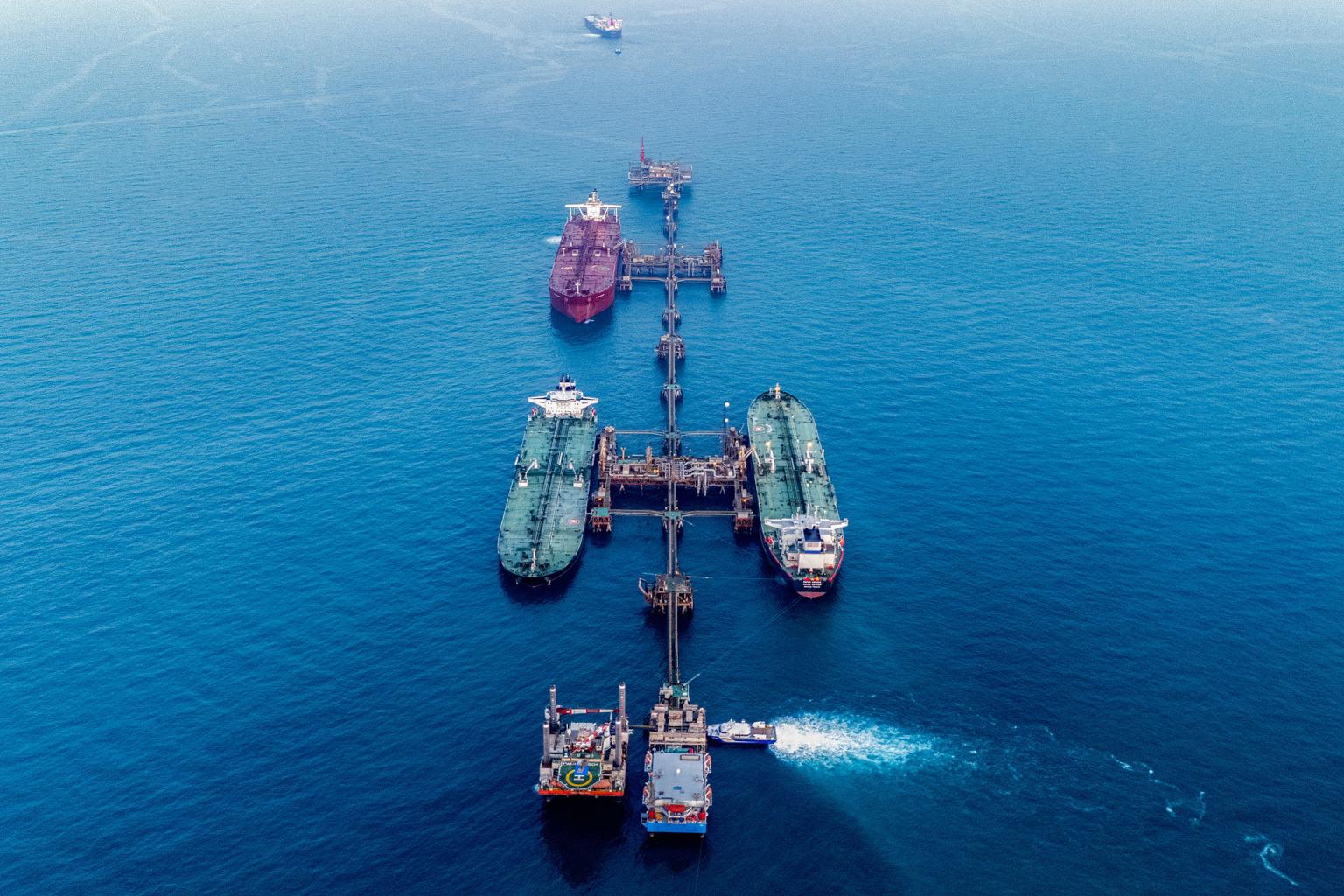
Exports now rely on a patchwork of routes. More than 500 trucks a day were used to move crude west through Syria to the Baniyas terminal. A separate arrangement sends 200,000 bpd from southern Iraq by truck to collection points, where it is blended with Kurdish and Kirkuk crude. The combined 500,000 bpd then moves through the KRG pipeline network to Turkey’s Mediterranean port of Ceyhan. The northern pipeline had reopened on 27 September 2025 after being closed since 25 March 2023, but the article says it has sustained structural damage and faced repeated drone and missile attacks. Southern exports, meanwhile, depend on shuttle shipping, ship-to-ship transfers and smaller vessels operating under military protection.
Baghdad is testing a federal Kirkuk-Nineveh pipeline designed to carry up to 350,000 bpd to the Fishkhabur border terminal, bypassing KRG territory. Full use depends on pressure tests and greater capacity on the Basra-to-Kirkuk segment; a proposed Basra-to-Haditha corridor would connect the southern fields to the route.
A more ambitious option is the Iraqi Pipeline in Saudi Arabia (IPSA), for which Riyadh gave preliminary approval to revive the long-idle project. The 1,568-kilometre line from Basra’s Zubair oilfield to Al-Mu’ajjiz near Yanbu was built in the 1980s and designed for 1.65 million bpd. Saudi Arabia says replacing it may be nearly as costly as rehabilitation and that Iraq should cover part of the expense. Because Saudi Arabia has repurposed infrastructure on its territory, a revival would also require Iraq to rebuild its section and both governments to reach a political agreement.




Comments (0)
No comments yet. Be the first!