Private fusion investment reached a record $4.48 billion last year, up 69%, bringing total funding since 2021 to $14.24 billion. The Fusion Industry Association said 71% of the 56 private companies it surveyed expect to deliver electricity to the grid by the 2030s. Some leading firms have already secured prospective buyers: Helion agreed to supply Microsoft with at least 50 megawatts by 2028, while Commonwealth Fusion Systems has sold half the output of its first commercial plant in Virginia to Google. Eni has committed more than $1 billion for power from that plant.
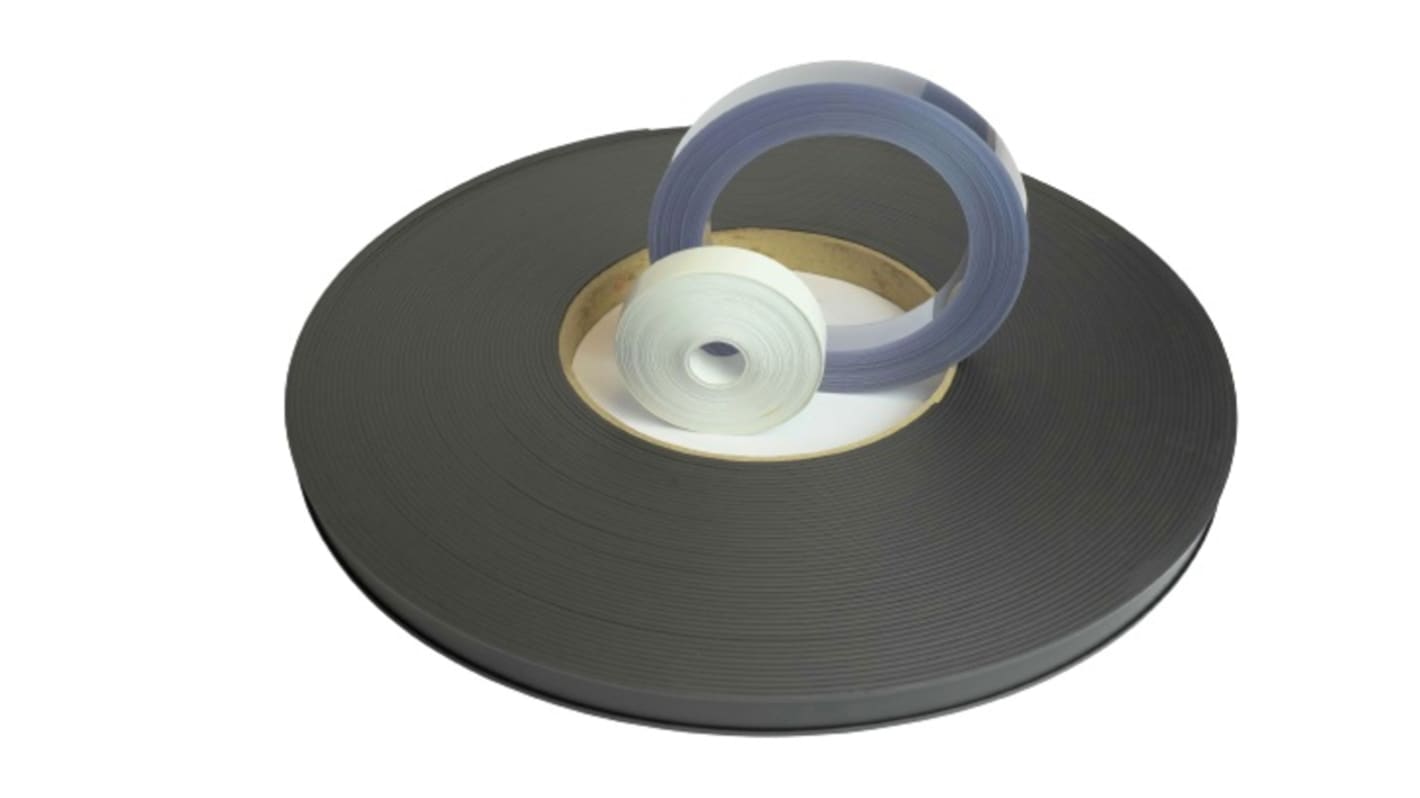
Proxima, which raised €411 million in July at a €2.4 billion valuation, signed memoranda of understanding with two Japanese industrial partners in Tokyo on October 28. The Fujikura agreement covers high-temperature superconducting (HTS) tape; a separate deal with Kyoto Fusioneering expands work on gyrotrons, which heat plasma with high-power microwaves. Proxima will explore industrial-scale tape production in Lower Saxony. The planned €140 million facility is intended to produce around 5,000 kilometers a year by 2030. The company estimates it will need 20,000 kilometers for its Alpha demonstrator and another 40,000 kilometers for its planned Stellaris power station.
Manufacturing HTS tape is complex and costly. The composite typically includes a metallic substrate, buffer layers, a thin superconducting REBCO layer, and silver and copper stabilizers. Its brittle ceramic layer is vulnerable to damage, while HTS magnets can suffer a “quench”—a localized loss of superconductivity that causes resistive heating and may damage equipment. Production also depends on yttrium and gadolinium, minerals sourced mainly from China. China accounts for about 69% of global rare-earth mine output and imposed strict export controls last year on yttrium, gadolinium and five other medium and heavy rare earth elements.
Proxima, founded in 2023 as a spin-off from the Max Planck Institute for Plasma Physics, has raised more than €650 million in public and private funding. Its backers include Google and RWE, and Bavaria has committed €400 million to its roadmap. The company is developing a stellarator, building on the Wendelstein 7-X research machine. Unlike tokamaks, which run in pulses, Proxima says its design is intended for continuous operation. Helion, another front-runner, is building its Orion facility in Malaga, Washington, and targets operations by 2028.


Comments (0)
No comments yet. Be the first!