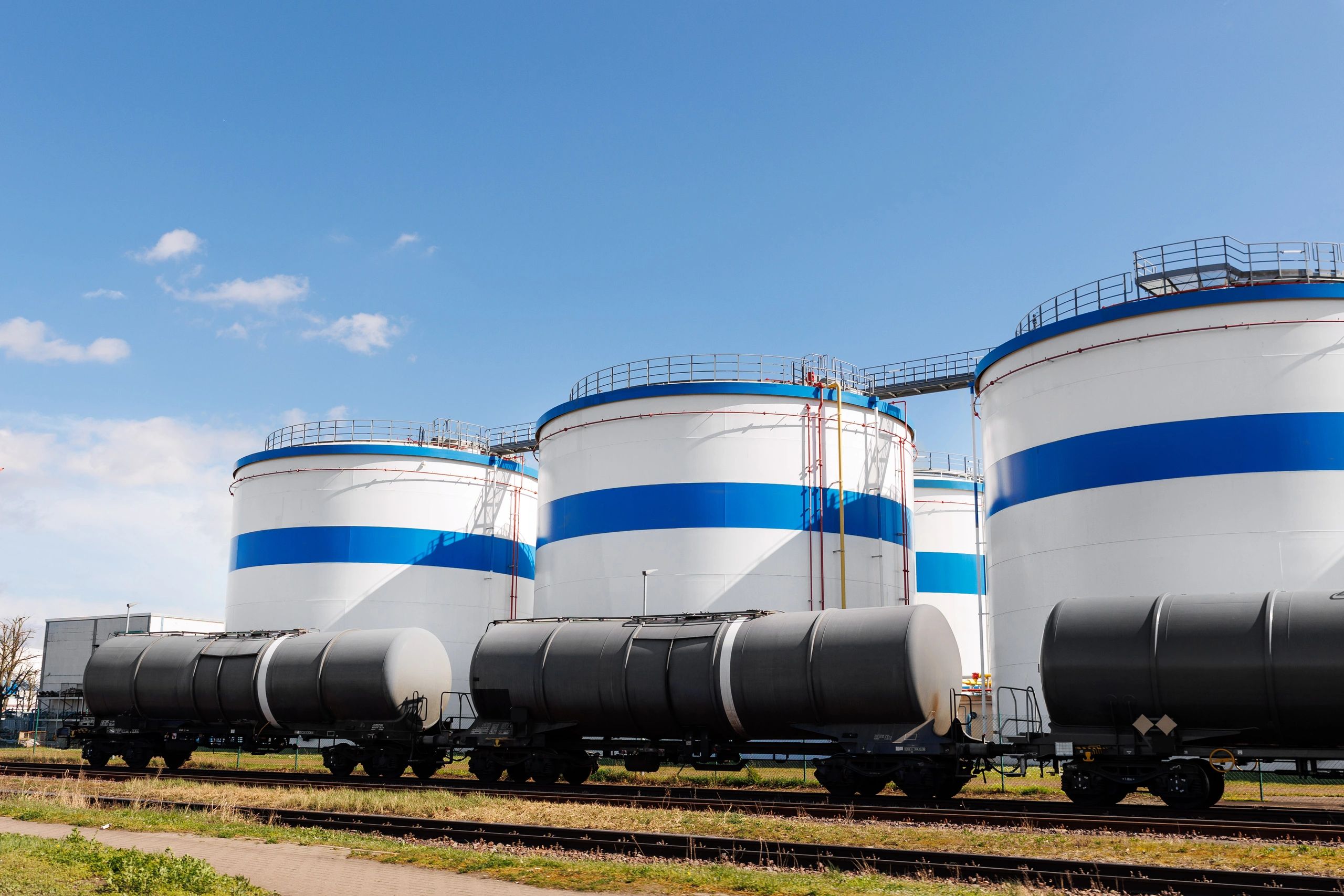
Under the plan, countries would pay an advance fee to reserve the right to buy a specified volume of oil or fuel held at storage sites operated by another member’s energy company. Reuters reported that withdrawals would use this “ticket” system, which it described as similar to the European Union’s joint stockpiling arrangement.
The Philippines has asked to be the first to use the scheme, seeking permission to buy gasoline and diesel from sites in Indonesia and Thailand if it faces a supply emergency. Indonesia proposed the initiative, which has received strong support from Japan, a country almost entirely dependent on energy imports and particularly affected by the supply crunch linked to the U.S. and Israeli war with Iran.
The conflict began on February 28 and has hit Asia especially hard. The Middle East is the region’s leading source of hydrocarbons, and the disruption has pushed Asian countries to seek alternative supplies at higher prices. Higher energy costs have contributed to inflation and prompted governments to increase spending to protect their economies.
Last month, the World Bank warned that the energy crisis was leaving Asia short of money. It said subsidies had been the most common response among emerging and developing economies. Countries with substantial subsidies generally saw smaller increases in retail gasoline prices than those without them, the bank said, although that relationship weakened considerably for headline inflation.
Comments (0)
No comments yet. Be the first!