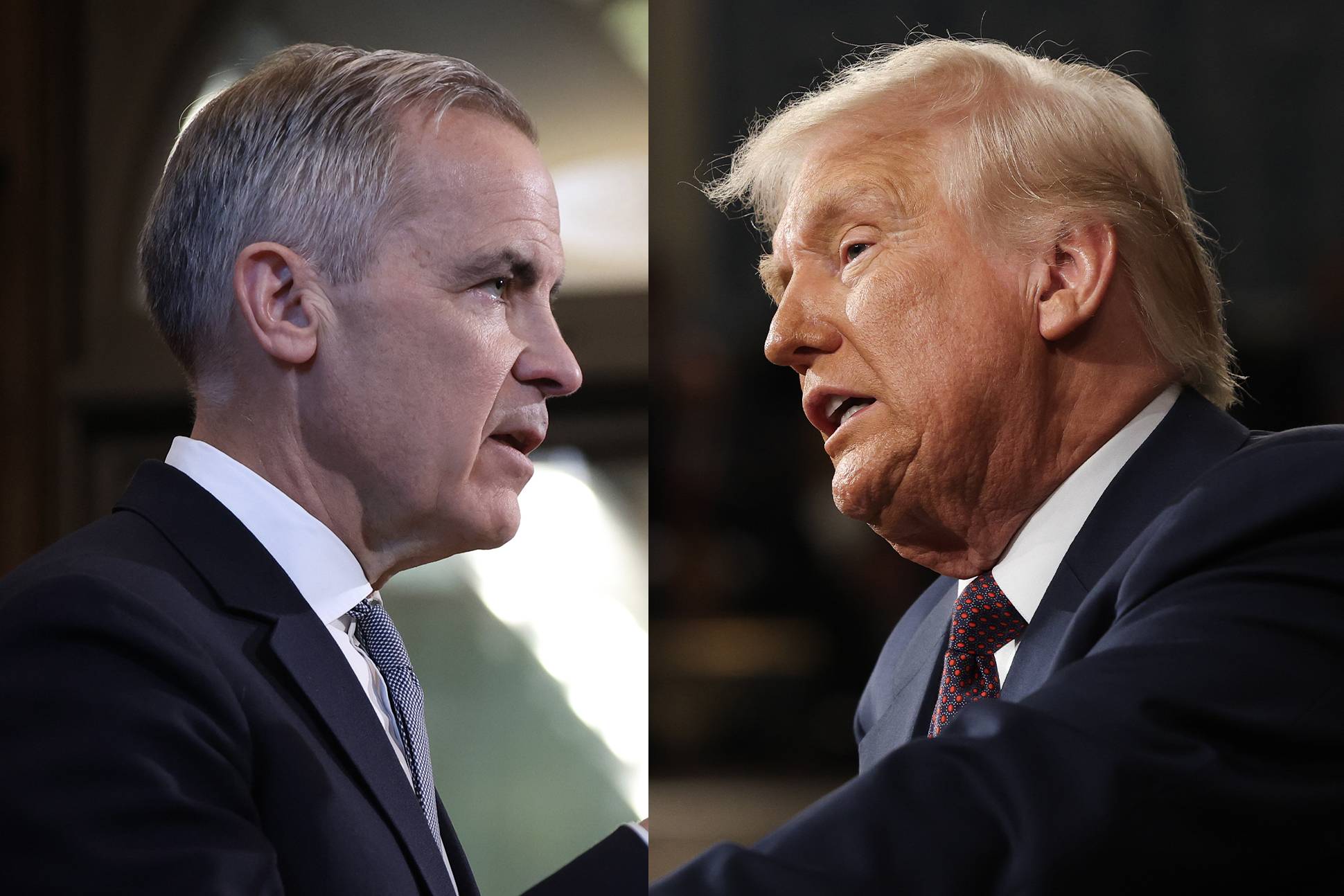
The proposed agreement would create good jobs, improve affordability and fully respect Canada’s languages, culture and sovereignty, according to a brief statement from Carney’s office. The statement gave no further details of the discussion.
Carney has used the summit to pursue broader trade ties as the Trump administration advances protectionist policies and imposes disruptive tariffs. Before the summit, he met Chinese President Xi Jinping and agreed to ease some mutual tariffs. Canada has set a goal of doubling its non-U.S. exports by 2035, while seeking closer ties with allies in Europe and working to repair strained relations with countries including China.
Canada-U.S. talks on a tariff deal collapsed in August, renewing tensions and prompting new, hefty tariffs on billions of dollars’ worth of goods. Negotiations have recently resumed. Carney said in early November that efforts had produced positive results, but major hurdles remained.
Canada is the only Group of Seven country without a deal providing relief from tariffs imposed by Trump during his second term. Canadian officials are seeking relief from tariffs of up to 50% on steel, aluminum and automobiles. Trump has threatened to raise the tariff on Canadian-made automobiles to 50% from 25%. Since returning to office, he has also spoken of making Canada the 51st state, remarks many Canadians regard as a threat to the country’s sovereignty.



Comments (0)
No comments yet. Be the first!