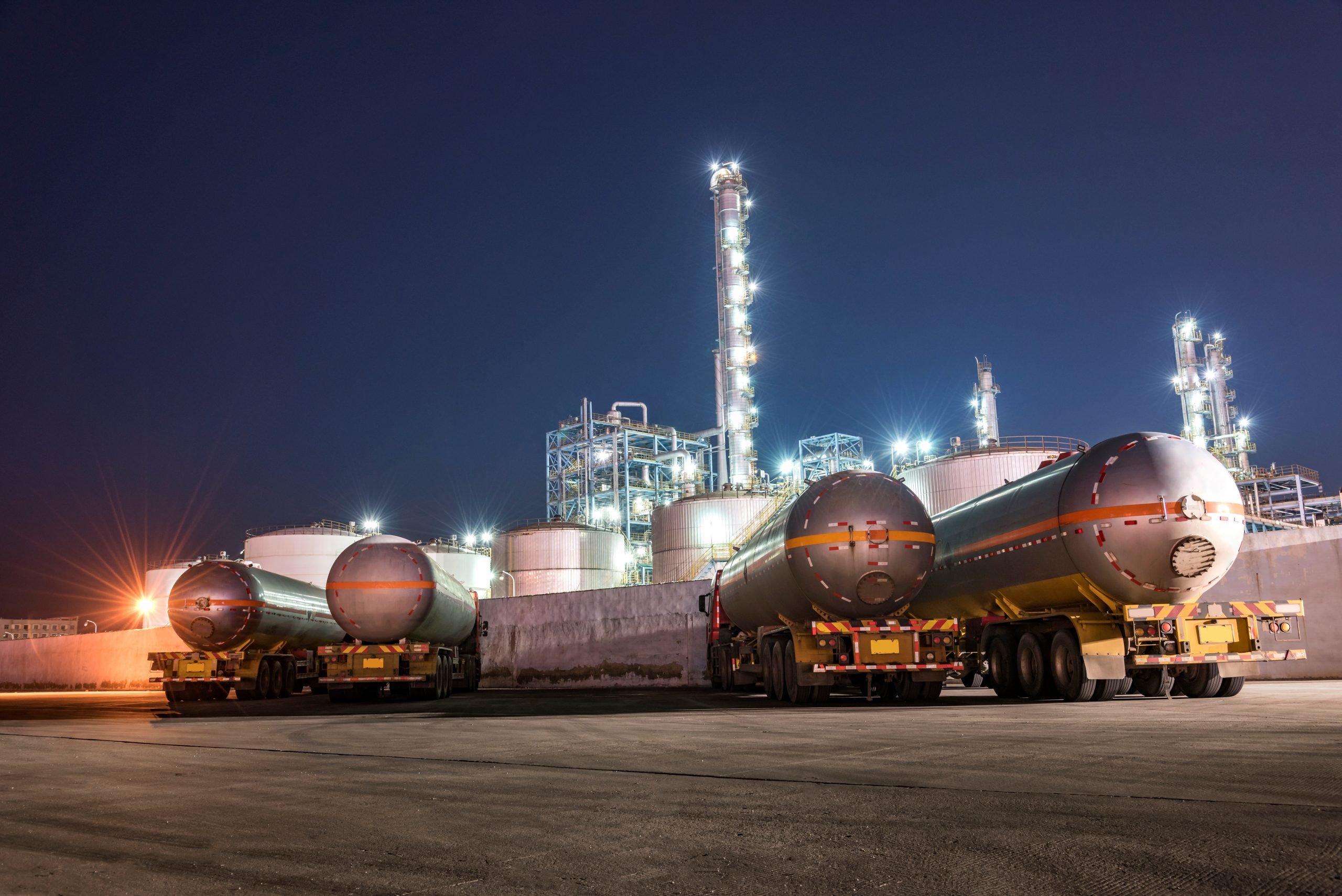
Oil flows from the Persian Gulf remain below pre-war levels, according to tanker-tracking data, although they have improved significantly from the early months of the war. Vortexa said this week that Iran had designated more than 50% of the tankers Gulf petrostates use to move oil to the Gulf of Oman and onward to global markets. The analytics firm said the restrictions had not yet reduced volumes, as exporters added another stage of ship-to-ship transfers.
Iran issues daily reports of tankers hitting mines as they attempt to travel outside the channel Tehran has designated for free movement, the article said. ING commodity strategists described further disruption around Hormuz as an important upside risk for prices. They also pointed to rising OPEC+ output, resilient Russian exports and growing U.S. inventories as signs of a more comfortable supply outlook.
ING strategists Warren Patterson and Ewa Manthey expect the market to rebalance gradually, limiting the scope for oil prices to keep rising. The U.S. Federal Reserve has also signaled it may raise interest rates, which could weigh on demand growth, Reuters reported. The Fed is due to decide on rates at its next meeting in December.


Comments (0)
No comments yet. Be the first!