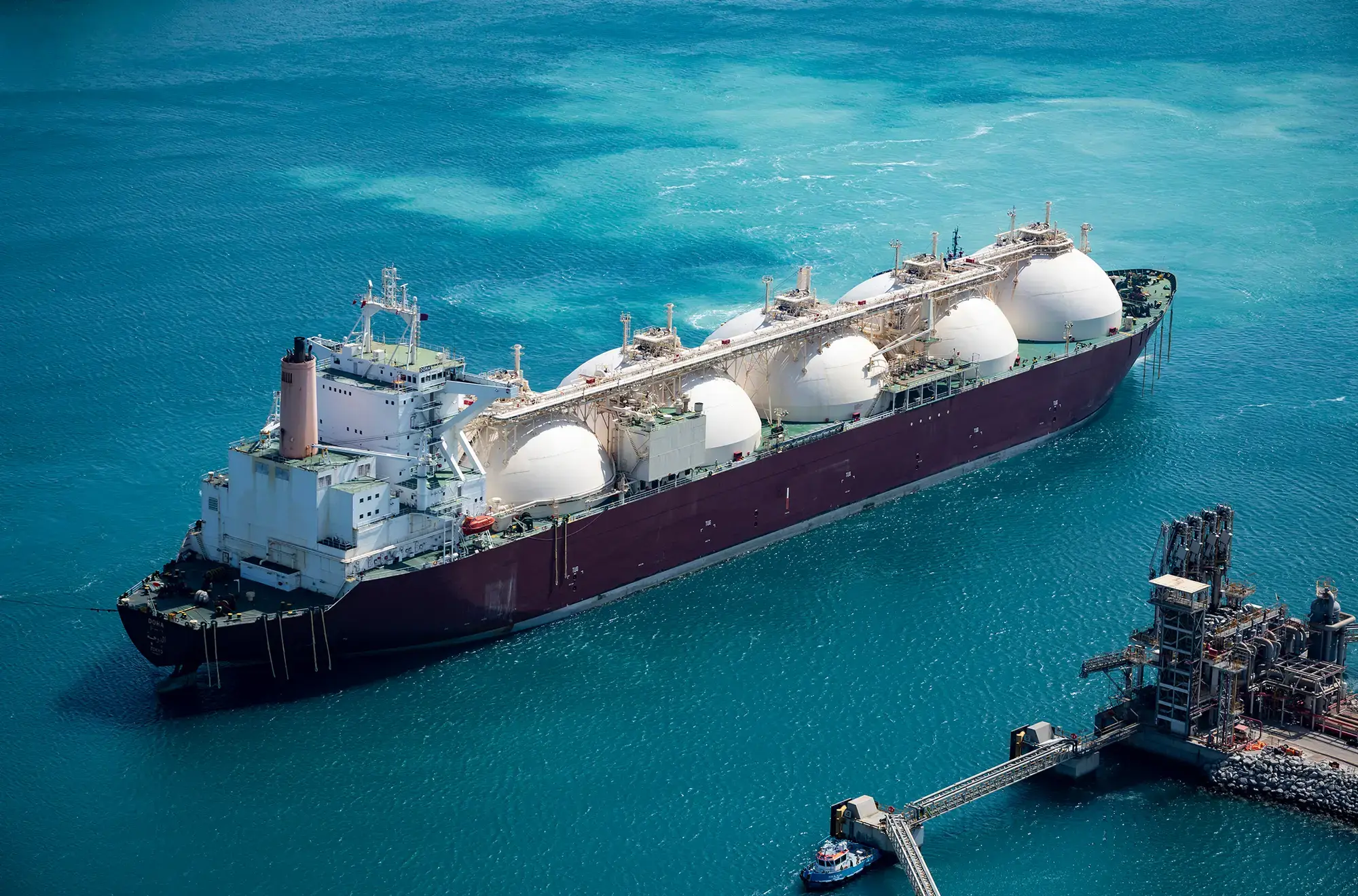
Trading houses have been more willing than refiners to pursue year-long agreements, having continued to move crude through the Strait of Hormuz during wartime conditions. Falling Middle Eastern crude prices, expectations of a glut and weaker competition from refiners have also eased deal-making, the report said. QatarEnergy’s discussions with refiners have moved more slowly amid concerns over shipping and navigation through the strait.
Crude flows through Hormuz have rebounded since August to almost pre-war levels. They have held up despite October bringing the highest number of tanker attacks, as producers and traders adapted by shuttling cargoes through the strait and transferring them to other vessels in the Gulf of Oman.
Smaller tankers carried the largest volumes of crude out of Hormuz in October since the war began. Sellers, traders, shippers and buyers have increasingly relied on these vessels as supertanker rates soared to record highs in September and early October, and attacks on very large crude carriers reached a wartime high. Iran has targeted supertankers, while incidents involving naval mines and unknown projectiles also hit a wartime high.



Comments (0)
No comments yet. Be the first!